I’ve always had a green thumb—whether it was sneaking seeds from my grandmother’s garden as a kid or turning my apartment balcony into a jungle of herbs and flowers. This site started as a way to share the simple, rewarding joy of growing things, from fixing a patchy lawn to coaxing life from stubborn seeds. My approach is hands-on and honest: no fancy jargon, just practical tips and the occasional story about what’s worked (and what hasn’t) in my own backyard.
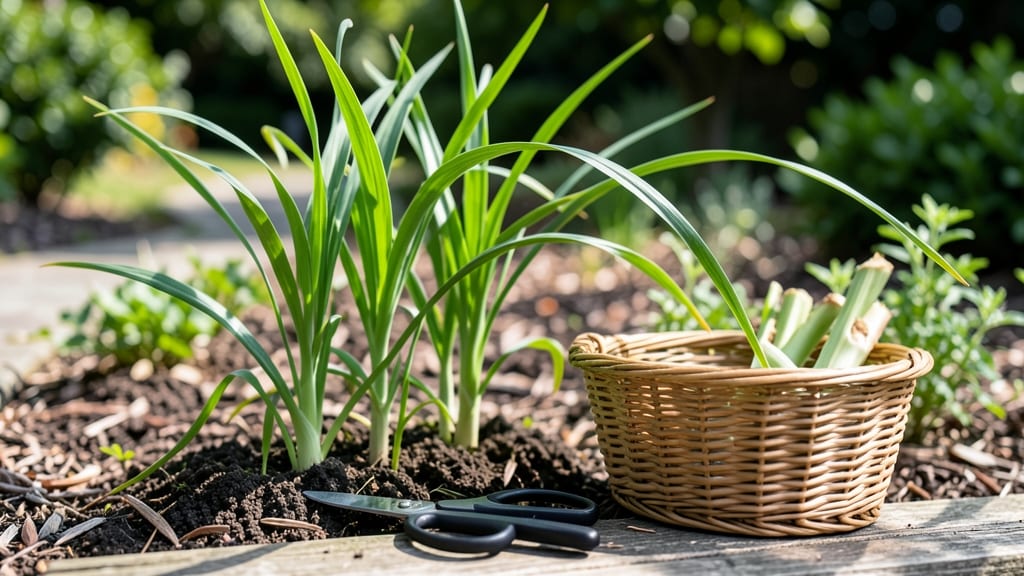
Lemongrass is in season from late spring through fall 🌿, with the sweetest, most tender stalks appearing between June and October in most growing zones. Wondering when to harvest lemongrass for the freshest, most…
💥 Quick Answer To fertilize your lawn in Florida at the best time, aim for late spring (March–May) when warm-season grasses like St. Augustine and Bermuda are actively growing, or early spring (February–March) for…
The best time to plant grass in Georgia is early spring or early fall, when soil temperatures and rainfall align for fast root growth —avoiding the brutal summer heat or winter dormancy risks. Georgia’s humid subtropical…
The best time to plant grass seed in Florida is during early fall or late spring , when soil temperatures hover between 50–90°F and monsoon rains are still weeks away. Planting grass seed in Florida isn’t just about…
The best time to plant grass seed in Wisconsin is when soil temperatures hit 50°F and stay there for at least a week—typically mid-April to early May for spring or early September for fall. Wisconsin’s unpredictable…
Fertilizing your grass at the right time is the secret to a lush, green lawn that stays vibrant all season. Wondering why your lawn still looks patchy even after regular mowing? The secret might be timing—fertilizing at…
Fertilizing your Colorado lawn at the right times—like early spring and fall—is the secret to a thick, vibrant green carpet that survives the state’s wild swings from drought to sudden freezes. Colorado’s unpredictable…
💥 Quick Answer To fertilize your lawn in Texas, time it by grass type: cool-season grasses like ryegrass need feeding in early spring (February–March) and fall (September–October) , while warm-season varieties such as…
Planting grass in the spring should happen when soil temperatures hit 55–65°F —this is the fastest way to ensure strong root growth and a thick lawn. Timing your spring grass planting wrong can mean weak roots, patchy…
Fertilizing new grass at the right time is the difference between a thin, patchy lawn and one that establishes deep roots and thrives for years. Picture this: you’ve just seeded your lawn in early spring, watering…