
Light Requirements
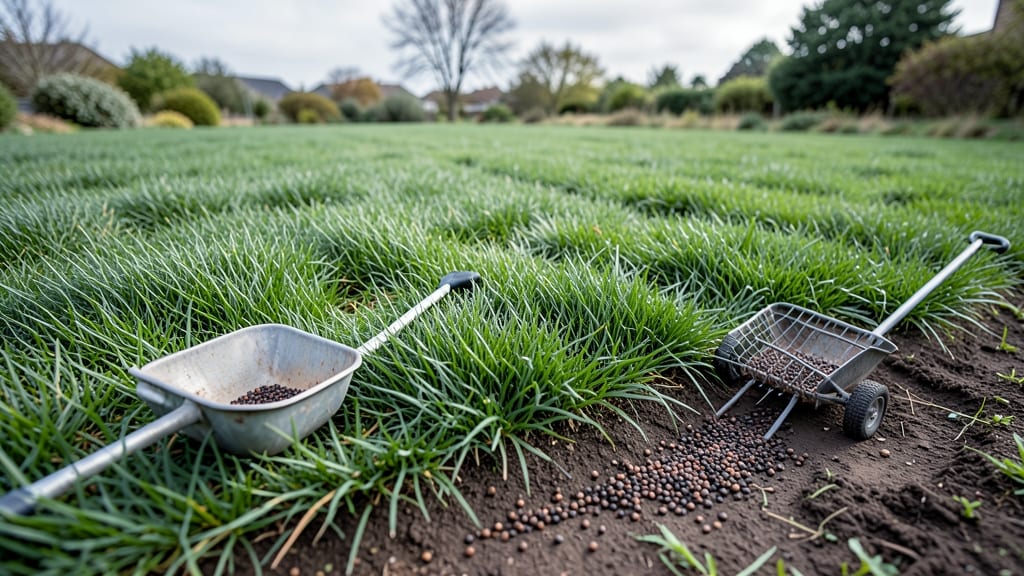
Fertilizing your grass at the right time is the secret to a lush, green lawn that stays vibrant all season.
Wondering why your lawn still looks patchy even after regular mowing? The secret might be timing—fertilizing at the wrong season can waste money and harm your grass instead of boosting it.
For Lawn Grass 🌱 in Zone 6a, the best months to feed your lawn are early spring and fall, when roots are growing fast and can absorb nutrients efficiently.
Cool-season grasses like Kentucky bluegrass thrive with a spring feeding right after the last frost, while warm-season types like Bermuda need their first dose in late spring. Summer heat can stress grass, so a light feeding in early summer keeps it resilient without burning the blades.
In this guide, I’ll break down the exact months to fertilize based on your grass type, how to read your lawn’s signals, and the one mistake that ruins even the best fertilizer plans. Let’s get your grass growing stronger, not just greener.
Best seasons to fertilize grass for maximum growth
Timing your lawn fertilization isn't just about throwing down fertilizer when you remember—it's a science-backed strategy that determines whether your grass thrives or struggles. The best seasons to fertilize grass are spring, summer, and fall, but the exact timing depends on your climate zone and grass type.
Cool-season grasses like Kentucky bluegrass peak in early spring and fall, while warm-season grasses like Bermuda hit their stride in late spring and summer.
Fertilizing at the wrong time can lead to burned grass, wasted nutrients, or even increased disease risk. For example, applying high-nitrogen fertilizer in winter won't help dormant grass—and could attract pests instead.
The key is understanding how each season impacts root development, color intensity, and disease resistance in your specific grass type.
Let's break down the optimal fertilization windows for each season, including regional variations for cool vs. warm climates. This comparison will help you create a customized schedule that maximizes growth while minimizing stress on your lawn.
| Season | Cool Climate Grass (e.g., Fescue, Bluegrass) | Warm Climate Grass (e.g., Bermuda, Zoysia) | Key Benefit |
|---|---|---|---|
| Early Spring | March-April (after dormancy breaks) | May-June (when soil temps reach 65°F) | Stimulates early growth & root development |
| Late Spring | May-June (peak growth) | June-July (full active growth) | Enhances color & density before summer stress |
| Early Summer | Light application (avoid heat stress) | July-August (high heat tolerance) | Supports drought resistance in warm zones |
| Early Fall | September-October (6-8 weeks before frost) | September-October (before dormancy) | Strengthens roots for winter survival |
| Late Fall/Winter | None (dormant period) | None (dormant period) | Avoids winter burn & nutrient runoff |
Spring is arguably the most critical season for fertilization, especially in cool-season climates. When temperatures rise above 50°F (10°C), your grass wakes from dormancy and needs nutrients to rebuild its root system.
A high-nitrogen fertilizer applied in early spring (March-April) gives your lawn the boost it needs to recover from winter stress and fill in any bare spots.
In warm-season climates, spring fertilization happens later—wait until soil temperatures consistently stay above 65°F (18°C) to avoid shocking the grass. This typically means waiting until May or June.
The goal here is to support rapid growth as the grass transitions from dormancy to active growth, ensuring it can outcompete weeds before they take hold.
Summer fertilization requires caution. While warm-season grasses can handle summer feeding, cool-season grasses often go dormant in extreme heat. For these types, a light application of slow-release fertilizer in early summer can help maintain color, but avoid heavy feeding when temperatures exceed 85°F (29°C).
Instead, focus on deep watering to help roots access nutrients.
Fall is the secret weapon for a lush lawn, especially in cool climates. Applying fertilizer in September or October (6-8 weeks before the first frost) helps your grass store energy for winter. This root-building phase results in deeper roots that can access moisture and nutrients earlier in spring.
For warm-season grasses, fall fertilization is still beneficial but should be lighter to avoid encouraging late-season growth that might not harden off before winter.
One common mistake is fertilizing in late summer or early fall when frost is imminent. This can lead to winter kill as new growth isn't hardened off. Always check your USDA hardiness zone and local frost dates to time your last application correctly.
For example, in Zone 5 or 6, aim to finish fertilizing by early October, while in Zone 7 or higher, you might extend it to November.
Regional variations also play a huge role. In northern climates with short growing seasons, focus on spring and fall fertilization with a lighter summer touch. In southern clim
How to create a custom fertilization schedule based on grass type
Not all grass is created equal—and neither are their fertilization needs! The type of grass in your lawn determines when, how often, and what kind of fertilizer to use.
For example, Kentucky bluegrass thrives with spring feedings, while Bermuda grass needs summer boosts. Let’s break down the best fertilization schedules for the four most common grass types in U.S. lawns.
Your grass type also dictates whether you should use slow-release or quick-release fertilizers. Cool-season grasses like fescue benefit from slow-release granules spread over months, while warm-season grasses like zoysia respond better to quick-release liquids during peak growth.
Let’s dive into the specifics so you can tailor your lawn care routine for maximum results.
| Grass Type | Best Fertilization Months | Fertilizer Type | Frequency | Key Notes |
|---|---|---|---|---|
| Kentucky Bluegrass | March-April, September | Slow-release granules | Every 6-8 weeks | Needs high nitrogen in spring; avoid summer fertilization |
| Bermuda Grass | May-July, September | Quick-release liquid | Every 4-6 weeks | Thrive in heat; fertilize during active growth |
| Fescue Grass | April, September-October | Slow-release pellets | Every 7-8 weeks | Drought-resistant; fall feeding strengthens roots |
| Zoysia Grass | June-July, September | Slow-release granules | Every 6-8 weeks | Heat-tolerant; fertilize after mowing |
For Kentucky bluegrass, focus on spring and early fall feedings to capitalize on its cool-season growth cycle. Use a slow-release fertilizer like 24-0-6 to provide steady nutrients without burning the blades. In contrast, Bermuda grass is a warm-season powerhouse that demands attention during late spring and summer.
Switch to a quick-release liquid fertilizer every 4-6 weeks to keep up with its rapid growth.
If you have fescue grass, prioritize fall fertilization to build strong roots before winter. This grass type also handles drought well, so avoid overwatering after fertilizing.
For zoysia grass, which is both heat- and drought-tolerant, fertilize in late summer and early fall to encourage thick growth before cooler weather sets in.
Pro tip: Always water your lawn before and after fertilizing to help nutrients absorb into the soil. For cool-season grasses, aim for 1 inch of water per week, while warm-season grasses may need slightly more during peak heat.
Adjust your schedule based on your local climate—northern regions should fertilize earlier in the season, while southern lawns can wait until temperatures stabilize.
Ready to transform your lawn? Start by identifying your grass type (a simple soil sample test can help), then follow the schedule above. Your grass will thank you with vibrant green and thick growth all season long! 🌱