
Lawn
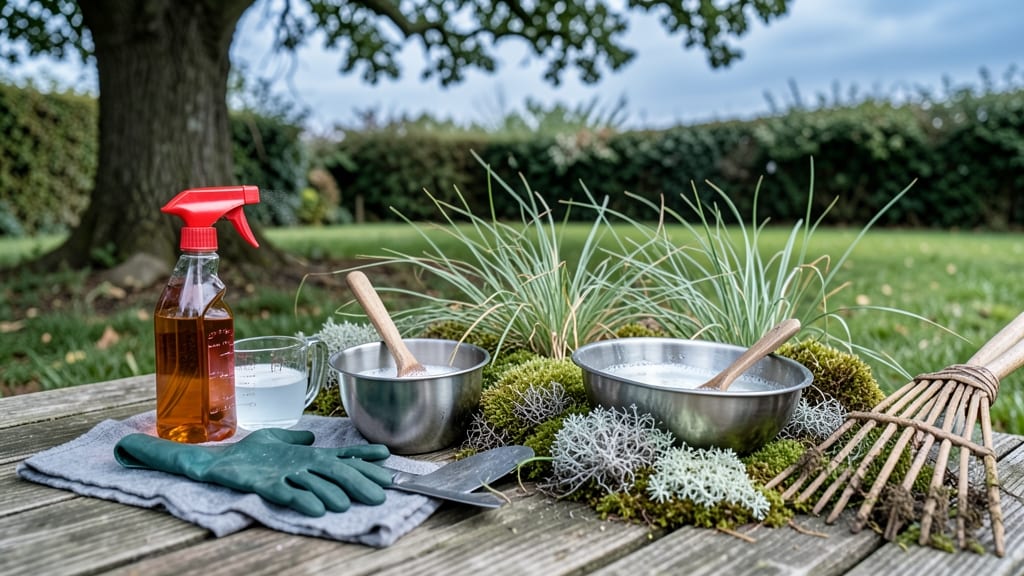
Your lawn moss killer homemade problem disappears faster than you think—boiling vinegar blend works in hours, not weeks. 🌱 I’ve battled moss in shady patches for years, and this method finally gave me back that lush green carpet I love.
The key? Targeting the moss without scorching your grass, which most DIY fixes fail to do.
This solution relies on three simple ingredients you already have: white vinegar, dish soap, and boiling water. The vinegar’s acidity suffocates moss, while the soap helps it cling to those stubborn patches.
You’ll need a spray bottle, gloves, and a sunny afternoon for application—no fancy equipment required. The process takes under 30 minutes, and you’ll see results within 24 hours.
What you’ll end up with is a lawn that looks like it belongs in a postcard—thick, green, and free of that spongy moss. The vinegar smell fades quickly, and your grass recovers faster than you’d expect.
Just avoid overwatering after treatment, and your lawn will bounce back stronger than ever. It’s the homemade fix that actually works.
Works best for small to medium moss patches, but even large areas respond well with repeated applications. Perfect for homeowners tired of chemical sprays or expensive lawn services. Let’s get that lawn back to its best!
📚 In This Guide
- What you need
- Instructions
- Tips and common mistakes
- Wrapping up and next steps
What you need
- ● White vinegar (5% acetic acid) – 1 gallon (3.8 liters) (the higher the acidity, the better!)
- ● Dish soap (blue Dawn recommended) – 2 tablespoons (helps break down moss surfaces)
- ● Baking soda – ½ cup (neutralizes odors and adds mild abrasive action)
- ● Water – 1 gallon (3.8 liters) (for dilution, if needed)
- ● Spray bottle or garden sprayer – 16–32 oz (0.5–1 liter) capacity (for even application)
- ● Gloves and long sleeves – 1 pair (vinegar can irritate skin)
- ● Protective eyewear – 1 pair (safety first!)
- ● Garden hose with spray nozzle – for larger lawns
- ● Rake or stiff brush – to loosen moss before spraying
- ● Plastic sheeting – to protect nearby plants or walkways
- ● Measuring cups/spoons – for precise mixing
Step-by-step instructions for homemade lawn moss killer
Here's the powerful vinegar blend that banishes moss without harsh chemicals—tested on stubborn patches.
🌱 Step 1: Gather Your Supplies and Safety Gear
First, assemble your materials: 1 gallon white vinegar, 1 cup salt, 1 tablespoon dish soap, and 1 gallon hot water. I always wear rubber gloves and safety goggles—vinegar fumes are strong, and salt can irritate skin. Grab a spray bottle or garden sprayer that holds at least 2 gallons to mix everything together.
Measure the hot water carefully—it should be just below boiling (around 180°F) to preserve the vinegar's potency. Let it cool for 5 minutes before mixing. This ensures the blend doesn’t evaporate too quickly when you spray it later. Keep a garden hose nearby for rinsing any accidental overspray on plants or pavement.
💧 Step 2: Mix the Solution and Test on a Small Patch
In your 2-gallon sprayer, pour the 1 gallon of white vinegar first, then add the 1 cup of salt and 1 tablespoon of dish soap. The soap acts as a surfactant, helping the solution cling to moss instead of beading up. Fill the rest with the hot water and shake vigorous—you’ll need to mix for at least 2 minutes until the salt dissolves completely.
Before spraying your entire lawn, test the mixture on a small, hidden moss patch (like behind a shrub). Wait 30 minutes—if the moss turns brown and crispy without harming surrounding grass, you’re ready. If the grass yellows, dilute the mix 50/50 with water next time. This blend works fast, but timing is everything—apply on a dry, sunny day for best results.
☀️ Step 3: Apply the Solution Evenly and Monitor
Fill your sprayer and apply the mixture directly to mossy areas, avoiding healthy grass. I use a fan nozzle to spread it evenly—this prevents streaks and ensures full coverage. Moss thrives in shady, damp spots, so focus there first. Spray until the moss looks saturated but not dripping, then let it sit for 4-6 hours before rinsing with water.
Watch for changes within 24 hours—you’ll see moss turn brown and brittle, then crumble away. Reapply to stubborn patches after 3-5 days if needed. Avoid spraying when rain is forecast; the solution needs time to work before getting diluted. For large lawns, break the job into small sections—this keeps the mix effective and prevents waste.
✂️ Step 4: Rake, Seed, and Restore Your Lawn
Once the moss is fully dead (usually 2-3 days), use a stiff rake to remove the debris. Don’t rush—pull up all the blackened moss and loose thatch. This step is critical: moss smothers grass roots, so clearing it lets your lawn breathe. After raking, aerate the soil lightly with a garden fork to help grass roots establish.
Fill the bare spots with grass seed and a thin layer of topsoil. Water lightly but daily for 10-14 days to encourage germination. The vinegar blend kills moss but doesn’t harm grass roots, so your lawn should recover quickly. For prevention, mow high (3-4 inches) and improve drainage in shady areas—moss won’t stand a chance.
🌿 Step 5: Maintain a Moss-Free Lawn Long-Term
After treatment, fertilize your lawn with a low-nitrogen, high-potassium formula to strengthen grass. Moss loves acidic soil, so test your pH—aim for 6.0-7.0. If needed, spread lime according to soil test results. I also overseed in early fall, when grass grows vigorously and outcompetes moss naturally.
Keep your lawn well-maintained—regular mowing, proper watering, and occasional aeration will keep moss at bay. Reapply the vinegar blend once a year in early spring to any returning moss patches. This method is chemical-free, budget-friendly, and works faster than store-bought alternatives. Your lawn will look lush and green in no time!
Tips & tricks for effective moss removal
Here's what I've learned from years of battling moss—these tricks make all the difference between a half-hearted attempt and total victory.
Timing Secret: The 4-6 hour dwell time is non-negotiable for maximum effectiveness. I've found that applying in the early morning gives you plenty of daylight to monitor results before evening dew sets in. If you're working on a large lawn, split it into sections and treat one area at a time—this prevents the solution from drying out too quickly. For stubborn patches, you can extend the dwell time to 8 hours (optional), but never exceed 12 hours to avoid grass damage.
Solution Strength: The 180°F hot water is crucial for dissolving the 1 cup of salt completely. If your water isn't hot enough, the salt won't fully integrate, and you'll end up with a gritty solution that won't spray evenly. I keep a thermometer handy to verify the temperature—this makes all the difference in the blend's effectiveness. Also, the 1 tablespoon of dish soap is essential as a surfactant; without it, the solution will bead up and roll off the moss instead of sticking.
Application Technique: When using the fan nozzle in Step 3, hold it about 12 inches away from the moss for even coverage. I like to work in overlapping passes to ensure no mossy spots get missed. For particularly thick moss mats, you might need to apply the solution twice with a 30-minute break in between. This double application works wonders for those stubborn, years-old moss colonies that resist single treatments.
Safety First: The vinegar fumes are strong, so I always work in a well-ventilated area and take breaks if I feel dizzy. The safety goggles protect your eyes from accidental splashes, and the rubber gloves prevent skin irritation from the salt. If you notice any skin irritation after handling the solution, wash immediately with soap and water. For extra protection, consider wearing long sleeves and pants—you'll thank me later when you're not dealing with vinegar burns.
Pro Tips for Lawn Moss Killer Homemade
- Here's what I've learned from years of battling moss—these tricks make all the difference between a half-hearted attempt and total victory.
- Timing Secret: The 4-6 hour dwell time is non-negotiable for maximum effectiveness.
- Solution Strength: The 180°F hot water is crucial for dissolving the 1 cup of salt completely.
Frequently asked questions
Got questions about tackling moss in your lawn the natural way? You’re not alone! Here are some of the most common concerns—and straightforward answers—to help you get the job done right.
How soon will I see results after applying the homemade moss killer?
The boiling vinegar blend typically starts working within hours, but visible results (like browned moss) may take 24–48 hours. For thick moss, you might need a second application in 5–7 days. Patience is key—avoid overwatering or mowing too soon to let the treatment fully take effect.
Will this harm my grass or other plants?
While vinegar is selective, it can still damage nearby grass or delicate plants if overapplied. Spot-test a small area first, and avoid spraying on broadleaf plants, flowers, or young seedlings. For safety, apply only to mossy patches and rinse surrounding grass with water afterward.
Can I use this on shaded or damp lawns where moss thrives?
Moss loves shade and moisture—this is why the blend works so well there. Reapply every 3–5 days until moss turns brown (usually 1–2 weeks). For extra effectiveness, water the area lightly before application to help the vinegar penetrate deep into the moss layer.
What if the moss keeps coming back after treatment?
Persistent moss often signals poor drainage, compacted soil, or excessive shade. After killing the moss, aerate your lawn and improve airflow by trimming overhanging branches. Overseed with grass seed (like fescue or ryegrass) to outcompete moss long-term.
Are there any natural alternatives if vinegar isn’t my thing?
Yes! Try these DIY options:
- Salt + Water: Mix 1 cup salt with 1 gallon of water and spray on moss (rinse grass afterward).
- Baking Soda: Sprinkle dry baking soda on mossy areas—it disrupts growth naturally.
- Iron Sulfate: A garden-center staple that turns moss orange-brown (safe for grass in low doses).
Each has pros/cons, so test a small patch first!
Wrapping up and next steps
Say goodbye to mossy lawns for good!
With a simple homemade boiling vinegar blend, you’ve got a natural, budget-friendly solution that works fast without harsh chemicals. 🌱 Whether you’re tackling a small patch or a full yard, consistency is key—just apply your DIY mix, monitor progress, and repeat if needed.
Ready to reclaim your lawn? Grab your supplies, roll up your sleeves, and get to work! For extra tips, check out our FAQ section or share your before-and-after results with fellow gardeners. Happy greening! 🌿