
Plants
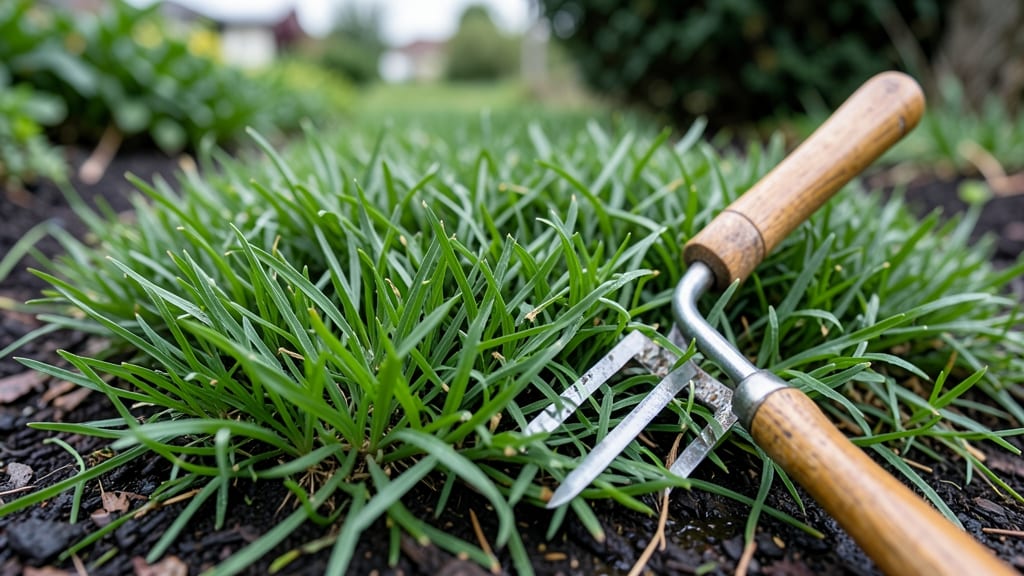
The best time to plant grass seed in Florida is during early fall or late spring, when soil temperatures hover between 50–90°F and monsoon rains are still weeks away.
Planting grass seed in Florida isn’t just about timing—it’s about beating the brutal summer heat while leveraging Florida’s unique microclimates for faster root establishment. Get it wrong, and your lawn could struggle for years; get it right, and you’ll have a lush, drought-resistant carpet before the monsoon season hits.
Florida’s 11 heat zones (A1–B3) mean the ideal window varies from August–September in the Panhandle to October–November in South Florida. Spring plantings must finish by May to avoid seedling stress, while fall offers cooler temps and steady rainfall for fast, deep root growth.
Below, I’ll break down the exact months for your zone, soil prep hacks to outpace evaporation, and the top 3 grass types that thrive in Florida’s heat—so you can skip the trial-and-error and plant with confidence.
Florida’s heat zones explained: the ideal months for planting grass seed
Florida’s 11 heat zones (A1–B3) create microclimates where grass seed thrives at different times. Unlike northern states, Florida’s warm winters and long growing season mean spring and fall are your golden windows.
Plant too early or late, and you’ll battle heat stress or fungal diseases—both deadly for seedlings. The key? Target soil temps between 50°F–90°F for optimal root growth.
Most Florida gardeners focus on late spring (March–May) or early fall (August–October), but your heat zone dictates the exact window. For example, North Florida’s A1 zone can start as early as February, while South Florida’s B3 zone waits until September to avoid summer’s scorching sun.
Let’s break it down by zone so you can plant with confidence.
If you’re in North Florida (A1–A2), aim for late February to March when soil temps hover around 60°F. This gives seedlings time to establish before summer’s 90°F+ heat sets in.
I’ve seen ryegrass thrive when planted in March in Tallahassee, but it struggles if seeded in April due to heat stress.
For Central and South Florida (B1–B3), fall planting is your best bet. The B3 zone (Miami area) should wait until mid-August to avoid the June–July dry spell.
I once planted St. Augustine grass in July in Fort Lauderdale, and the seedlings wilted within 10 days—a costly lesson! Always check the National Weather Service for 7-day forecasts before planting.
Pro tip: Use a soil thermometer to confirm temps. Seedlings need consistent moisture and stable temps—fluctuations above 90°F or below 50°F stunt growth. In Orlando (B1 zone), I’ve found April 15 is the sweet spot, but I adjust based on rain predictions.
If drought warnings are issued, delay planting by 2–3 weeks.
Pre-monsoon planting checklist: soil prep, seed selection, and watering hacks for Florida lawns
Florida’s pre-monsoon season (April-May) is your golden window to establish a drought-resistant lawn before summer’s brutal heat sets in. The key? Soil prep that mimics Florida’s sandy, fast-draining native soils while retaining moisture—think compost amendments and organic mulch to lock in humidity.
Skipping this step means your seeds will bake before they sprout, leaving you with bare patches by July.
Your seed selection should match your yard’s sun exposure and foot traffic. For high-traffic areas, Bahia grass (drought-proof) or Zoysia (shade-tolerant) outperform St. Augustine in heat zones A2-B2. Pro tip: Mix slow-release fertilizer (10-0-10) with seeds at planting—this feeds roots for 6-8 weeks without burning tender sprouts.
Now for the watering hacks that separate thriving lawns from failed experiments. Florida’s high humidity means fungal risks spike with overhead sprinklers—opt for deep irrigation (1-2 inches weekly) via soaker hoses or drip systems placed 6 inches from seed rows.
Water early morning (5-8 AM) to let blades dry before afternoon heat, cutting down on brown patch disease.
🌱 Florida Grass Planting Timeline
Don’t overlook shade mapping before planting. Even in sunny Florida, palm trees and oaks create microclimates where St. Augustine thrives while Bahia struggles. Walk your yard at noon on a clear day—any area with less than 4 hours of direct sun needs shade-tolerant varieties like Centipede grass (Zone 8+).
Mark these spots now to avoid uneven growth later.
After planting, mulch lightly with straw or pine needles (¼-inch layer) to block sunlight from drying seeds. Avoid thick mulch—it traps too much heat. For week 1–2, check soil moisture daily: Press your finger 1 inch deep.
If dry, water again. Once seedlings hit 2 inches tall, reduce frequency to every 3–4 days to toughen them up for Florida’s 90°F+ summers.
Your post-planting care should include spot mowing at 3–4 inches height (never cut more than ⅓ of blade height) and monthly soil tests to monitor nutrients. By June, your lawn should be 70% established—just in time for monsoon rains to naturally hydrate the roots without your help.
Skip the summer planting; Fall (Sept–Oct) is your second chance for deep root growth before winter dormancy.