
Fertilization
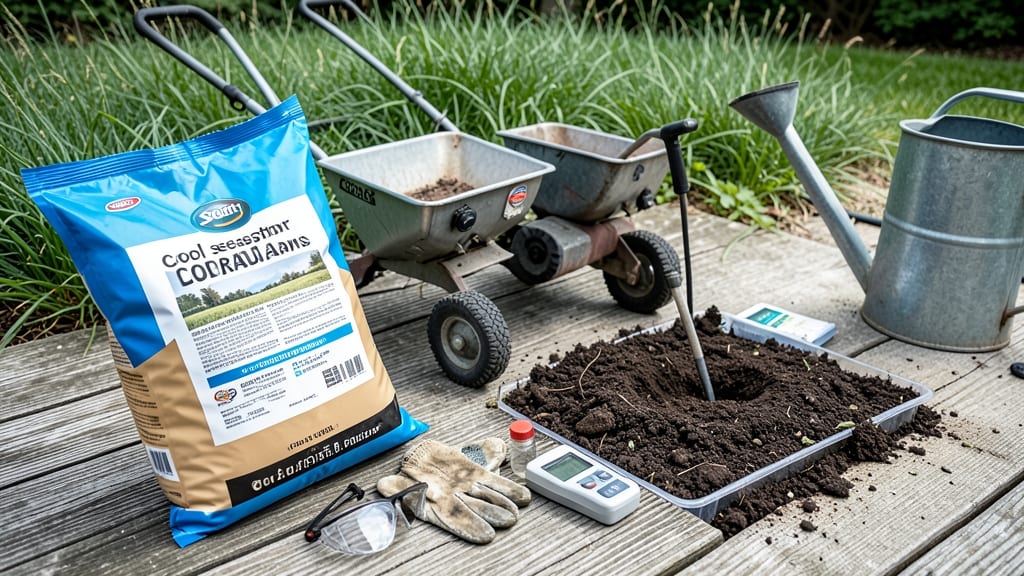
Fertilizing your Colorado lawn at the right times—like early spring and fall—is the secret to a thick, vibrant green carpet that survives the state’s wild swings from drought to sudden freezes.
Colorado’s unpredictable weather—from scorching summers to early frosts—can make lawn care a guessing game, especially when it comes to fertilization timing. But with the right schedule, you can transform your cool-season grass into a lush, green carpet that outshines your neighbors’.
The key? Understanding when your 🌱 Lawn Grass (Colorado) is actually ready to absorb nutrients without wasting a drop.
Most gardeners in zones 5-7 focus on two critical windows: late April to early May, when the soil warms and grass breaks dormancy, and again in September, when roots strengthen for winter.
But timing isn’t just about the calendar—it’s also about reading your lawn’s signals, like color shifts or footprints that linger long after you’ve walked by.
In this guide, I’ll walk you through the exact month-by-month schedule for Colorado’s climate, plus pro tips to avoid over-fertilizing and how to adjust for high-altitude areas. By the end, you’ll know exactly when to feed your lawn—and when to hold off until next season.
Best fertilization timeline for Colorado cool-season lawns (month-by-month guide)
Colorado’s cool-season grasses like Kentucky bluegrass and fescue thrive when fertilized at the right times—typically spring and fall—but the Front Range and high-altitude areas have unique microclimates. Timing matters because over-fertilizing in summer can stress grass during drought, while fall applications create deep roots that survive harsh winters.
Let’s break it down by month so your lawn gets the nutrients it needs without wasting money or harming the environment.
First, test your soil in early spring (March) to check pH levels—Colorado’s alkaline soils often need adjustment. Aim for a pH of 6.0–7.0 for optimal nutrient uptake. If your soil is too alkaline, add sulfur or peat moss before fertilizing.
High-altitude areas (above 7,000 feet) may need earlier spring applications due to cooler temperatures delaying growth.
Here’s your month-by-month fertilization guide, tailored for Colorado’s climate zones:
| Month | Action | Temperature Trigger | Notes for Colorado |
|---|---|---|---|
| March | Soil Test | 40–50°F | Adjust pH if needed; avoid fertilizing until soil warms. |
| April | First Fertilizer (High Nitrogen) | 50–60°F | Use 16-4-8 or 20-5-10 after last frost. Front Range: early April; high altitude: late April. |
| May | Second Fertilizer (Balanced) | 60–70°F | Aerate if soil is compacted; water deeply after applying. |
| June–July | Skip or Light Feed (Optional) | 70–90°F | Avoid fertilizing during drought; high heat stresses grass. |
| August | Light Fertilizer (Root Strength) | 60–75°F | Use low-nitrogen (e.g., 10-10-10) to prep for winter. |
| September–October | Fall Fertilizer (Golden Window) | 50–60°F | Apply 6–8 weeks before first frost for deep roots. High altitude: early September. |
| November–February | None | Below 40°F | Grass is dormant; fertilizing wastes nutrients and risks burn. |
Fall fertilization is the golden window for Colorado lawns because cooler temperatures and increased rainfall help grass absorb nutrients without stress. Aim to fertilize in September or early October, depending on your USDA zone.
For example, Denver (Zone 5) should fertilize by mid-October, while high-altitude areas like Vail (Zone 4) may need to finish by late September.
In early spring, your first fertilizer application should happen after the last frost (typically mid-April for the Front Range and late April for high-altitude areas). Use a high-nitrogen fertilizer (like 20-5-10) to kickstart growth, but pair it with aeration if your lawn has thatch buildup.
Colorado’s compacted soils benefit from core aeration, which opens up channels for roots and nutrients.
Summer fertilization is tricky in Colorado. While June and July are technically growing months
Signs your Colorado lawn needs fertilizer (and when to skip it)
Your Colorado lawn sends clear signals when it craves nutrients—think pale patches, slow recovery from footprints, or a spongy feel underfoot. These visual and tactile cues often mean your grass is starving for nitrogen or micronutrients, especially after harsh winters or drought.
But before reaching for fertilizer, check for red flags like fungal spots or recent overseeding, which mean you should wait and avoid overloading your soil.
Cool-season grasses like Kentucky bluegrass and fescue thrive in Colorado’s alkaline soils, but they need the right nutrients to bounce back from our dry spells. Organic options like compost or bone meal can gently replenish nutrients, while synthetic fertilizers deliver quick fixes—but timing matters.
Apply too early in spring, and you’ll encourage weak growth before the last frost. Skip it entirely after late summer, and you risk burning roots before winter dormancy.
When Should I Fertilize My Colorado Lawn?
✅ Fertilize Now
- Early spring (after last frost)
- Late summer (early August)
- Fall (September-October)
- Grass is actively growing
- Soil is moist (not drought-stressed)
Best for root strengthening and green-up.
❌ Skip Fertilizing
- Drought conditions (soil is dry)
- Late summer heatwaves (risk of burn)
- After overseeding (wait 6-8 weeks)
- Fungal issues present (brown patches, mold)
- Winter months (grass is dormant)
Avoid nutrient runoff and root stress.
Look for footprint marks that linger longer than usual—a sign your grass lacks nitrogen for recovery. Thin spots or yellowing blades may indicate phosphorus or potassium deficiencies, while a thatch layer thicker than ½ inch suggests your lawn isn’t breaking down organic matter efficiently.
Test your soil first! Colorado’s alkaline pH (7.4-8.4) can lock out nutrients, so a lime application might be needed before fertilizing.
If your lawn has dark green, thick patches but others are struggling, consider targeted fertilization with a slow-release formula. For high-altitude areas (e.g., Denver or Boulder), adjust your schedule—cool nights delay growth, so fall feeding becomes even more critical.
Pair fertilization with aeration to help nutrients reach roots in our compacted soils.
Never fertilize after mid-October, as new growth won’t harden off before winter. Instead, focus on light applications in September to prep roots for dormancy. And if your lawn shows white fungal threads or circular dead patches, hold off—fungicides should come first.
Your grass will thank you with a vibrant green come spring.
Pro tip: Water your lawn deeply before fertilizing to activate nutrients and reduce runoff. Aim for 1-1.5 inches of water weekly in growing months, and always apply fertilizer in the early morning to avoid evening moisture risks.