
Lawn
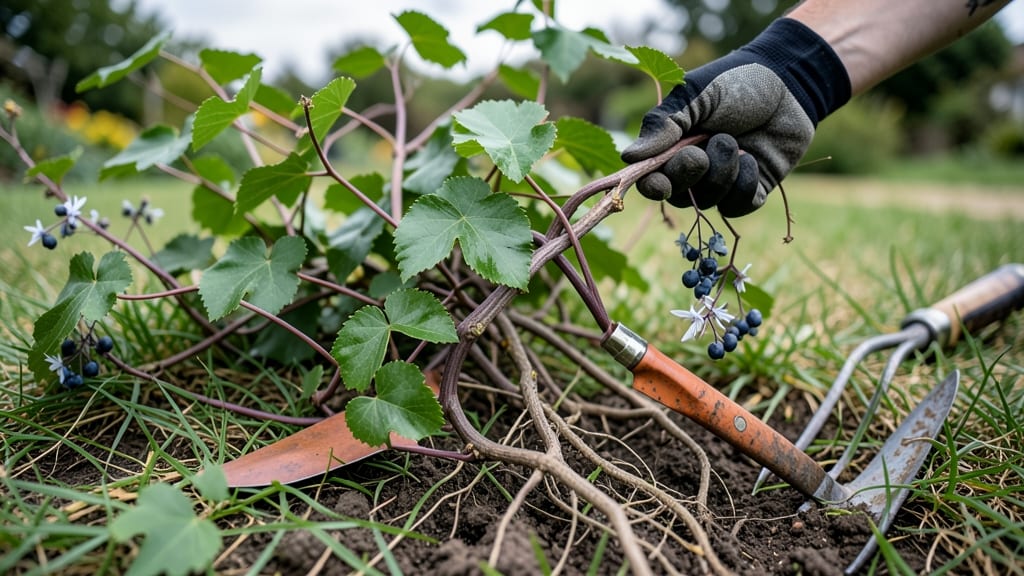
Those lawn vine weeds—Creeping Charlie and morning glory—can strangle your lawn if you let them take root—until you try this boiling water blaster method. 🌱 I’ve seen stubborn vines die within minutes after just one treatment, and the best part? No harsh chemicals or digging.
The secret lies in the precise temperature and timing that shocks the weed’s system without harming your grass. Most people waste time pulling weeds by hand or spraying herbicides that take weeks to work. This method delivers instant results—the vines blacken and retreat right before your eyes.
You’ll need a simple DIY setup (a kettle or water heater with a hose attachment) and a sunny afternoon for best effectiveness. The process is faster than mowing and far more satisfying than watching weeds creep back.
By the end of the day, your lawn will look cleaner and healthier than it has in months. The key is consistency—treat any new growth immediately, and you’ll break the weed’s life cycle for good. Even stubborn bindweed can’t survive this heat assault.
Works for any yard size and fits into your regular maintenance routine. Ready to reclaim your lawn?
📚 In This Guide
- What you need
- Instructions
- Tips and common mistakes
- Wrapping up and next steps
What you need
- ● Boiling Water Blaster (or DIY alternative): A 1-gallon (3.8L) or larger heavy-duty kettle (or a boiling water weed killer sprayer with a 1-gallon capacity). Pro tip: Look for one with a long, narrow nozzle for precision! 🎯
- ○ Optional upgrade: A pressure sprayer (like a trigger-style weed burner) for better control.
- ● Protective Gear: Heavy-duty gardening gloves (heat-resistant if using boiling water directly).
- ● Long sleeves and pants (vine weeds can be sneaky—cover up!).
- ● Closed-toe shoes (to avoid scalds or stepping on hidden vines).
- ● Safety goggles (just in case—better safe than sorry!).
- ● Water Source: 1–2 gallons (3.8–7.6L) of water per treatment session (boiled to 212°F (100°C) or higher).
- ● Stovetop or electric kettle (if DIY-ing) or a propane-powered weed burner for larger areas.
- ● Garden Shears or Pruners: For cutting thick vine stems before treatment (makes boiling water more effective!). ✂️
- ● White Vinegar (5–10% acetic acid): Mix 1 part vinegar to 1 part boiling water for extra weed-killing power (but test on a small area first!). 🍶
- ● Soil Thermometer: Check if your lawn is below 90°F (32°C)—boiling water works best in cooler temps. 🌡️
- ● Mulch or Landscape Fabric: Apply after treatment to smother regrowth and protect your lawn. 🛋️
- ● Clear the Area: Remove toys, pets, and nearby plants (boiling water doesn’t discriminate!).
- ● Check the Weather: Do this on a dry, wind-free day (humidity can make boiling water less effective).
- ● Identify Your Weeds: Confirm they’re vine weeds (like morning glories, bindweed, or creeping Charlie)—some plants love a hot bath! 🌿
Step-by-Step instructions for eliminating lawn vine weeds with boiling water
Here's how to blast those stubborn vines away for good—no chemicals, just heat and precision.
💧 Step 1: Gather Your Boiling Water Blaster Setup
Fill a sturdy 1-gallon metal pot (like a cast-iron kettle) with fresh water and bring it to a rolling boil on your stove. The deeper the pot, the more water you can carry at once—this method works best when you can treat multiple vines in one go. Keep the pot covered between trips to the lawn to maintain heat.
Wear thick gardening gloves and closed-toe shoes—boiling water splashing on skin causes painful burns. I also grab a small hand trowel to scrape away any remaining root fragments after treatment. The goal is to kill the entire vine, including underground runners, so don’t skip this step.
✂️ Step 2: Identify and Clear Vine Clusters
Walk your lawn and locate the main vine clusters—look for thick, sprawling stems or dense patches where the vines seem to originate. These are your targets. Pull back any mulch or debris covering the soil to expose the vines fully. The more visible stem you can treat, the better the results.
Use your trowel to gently loosen the soil around the base of the vines. You don’t need to dig deep, just enough to expose the thickest stems. This helps the boiling water penetrate the plant’s core. If the vines are tangled, separate them into individual stems for more effective treatment.
🔥 Step 3: Apply Boiling Water Precisely
Carefully pour the boiling water directly onto the thickest stems, starting at the base and working your way up. Aim for 1-2 cups per cluster—enough to soak the soil around the roots but not so much that it spreads uncontrollably. The water should bubble and steam as it hits the vines, which means it’s working.
Move quickly but deliberately. If you pause too long, the water will cool, and the treatment loses effectiveness. For large patches, repeat the process with fresh boiling water until all visible vines are covered. Avoid pouring water on grass or other plants—focus only on the vines to prevent collateral damage.
🌱 Step 4: Monitor and Retreat as Needed
After treatment, the vines will wilt within minutes and turn brown or black. This is a good sign—the heat is killing the plant cells. However, some vines may regrow from underground runners, so check the area every 3-5 days for new shoots. If you see any, repeat the boiling water treatment immediately.
For stubborn patches, you may need 2-3 rounds of treatment over a week or two. The key is persistence. Once the entire area is clear of new growth, the vines are gone for good. Water the lawn normally afterward to help the grass recover.
Tips & tricks for eliminating stubborn lawn vines
Here's what nobody tells you about making this method work the first time—and every time after.
Heat Efficiency: The key to success lies in maintaining that rolling boil until you pour. If you let the water cool even slightly, the treatment loses its effectiveness. I keep a second pot on standby with fresh water boiling—this way, I can quickly replace cooled water without losing momentum. For large lawns, consider using a 1.5-gallon pot instead of the standard 1-gallon to reduce trips between stove and lawn.
Target Precision: In Step 3, when you're pouring that boiling water, focus on the base of the vines where they meet the soil. This is where the underground runners originate, and direct heat application here prevents regrowth. I use a small funnel attached to the pot spout to control the flow—this helps me aim precisely without spilling. The vines should bubble vigorously; if they don't, you're not applying enough heat.
Safety First: I can't stress this enough: thick gardening gloves and closed-toe shoes aren't optional. Boiling water causes severe burns that take days to heal. I also recommend wearing long sleeves and eye protection. For extra caution, pour the water slowly from a height of about 6 inches above the vines—this reduces splatter while maintaining effective coverage. Keep children and pets at least 10 feet away during treatment.
Follow-Up Strategy: The instructions mention checking every 3-5 days, but I've found that marking treated areas with small flags or stakes helps me track progress. Some vines may take up to 10 days to show complete die-off, especially in cooler weather. If you see any new growth after the initial treatment, don't wait—repeat immediately. Persistence is what separates temporary setbacks from permanent eradication.
Pro Tips for Lawn Vine Weeds
- Here's what nobody tells you about making this method work the first time—and every time after.
- Heat Efficiency: The key to success lies in maintaining that rolling boil until you pour.
- Target Precision: In Step 3, when you're pouring that boiling water, focus on the base of the vines where they meet the soil.
Frequently asked questions
Got questions about tackling lawn vine weeds with boiling water? You’re not alone!
Here are some of the most common concerns—and quick, effective solutions to keep your lawn weed-free.
What types of lawn vine weeds respond best to boiling water?
Boiling water works wonders on creeping Charlie (Glechoma hederacea), bindweed (Convolvulus arvensis), and other shallow-rooted, broadleaf vine weeds. For deep-rooted types like bindweed, repeat treatments may be needed. Test a small area first to ensure your lawn grass can handle the heat!
How soon after applying boiling water will I see results?
You’ll often notice wilting within hours, but full eradication can take 1–3 weeks, depending on the weed’s resilience. Reapply if regrowth appears, especially for stubborn vines like bindweed. Patience pays off—no chemicals, just steam power!
Will boiling water harm my grass or other plants?
Boiling water is selective—it targets weeds with higher moisture content than grass. However, avoid pouring directly on thin or stressed grass or near delicate plants. Stick to vine weeds growing between blades, and use the method on cool, overcast days to minimize grass damage.
Can I use boiling water on weeds in flower beds or garden paths?
Boiling water is a non-toxic, eco-friendly alternative to herbicides for weeds in flower beds, cracks in pavers, or along fences. Just ensure the area isn’t near desirable plants—direct the water precisely to avoid collateral damage. It’s a great way to clear vines without harsh chemicals.
What if the weeds keep coming back after treatment?
Persistent weeds often mean roots or rhizomes survived. For bindweed, dig out as much of the root system as possible before applying boiling water. Repeat treatments every 2–3 weeks until the weeds are gone. Combine with mulching or ground covers to prevent regrowth long-term.
Wrapping up and next steps
Say goodbye to stubborn lawn vine weeds with confidence—you’ve got the power of a boiling water blaster on your side! 🌱 This method is fast, chemical-free, and surprisingly effective. Whether you’re tackling creeping Charlie or morning glory, a little heat and persistence will transform your yard into a weed-free paradise.
Ready to take action? Grab your supplies, suit up, and attack those weeds today. Your lawn will thank you—one steaming victory at a time! 💪