
Lawn
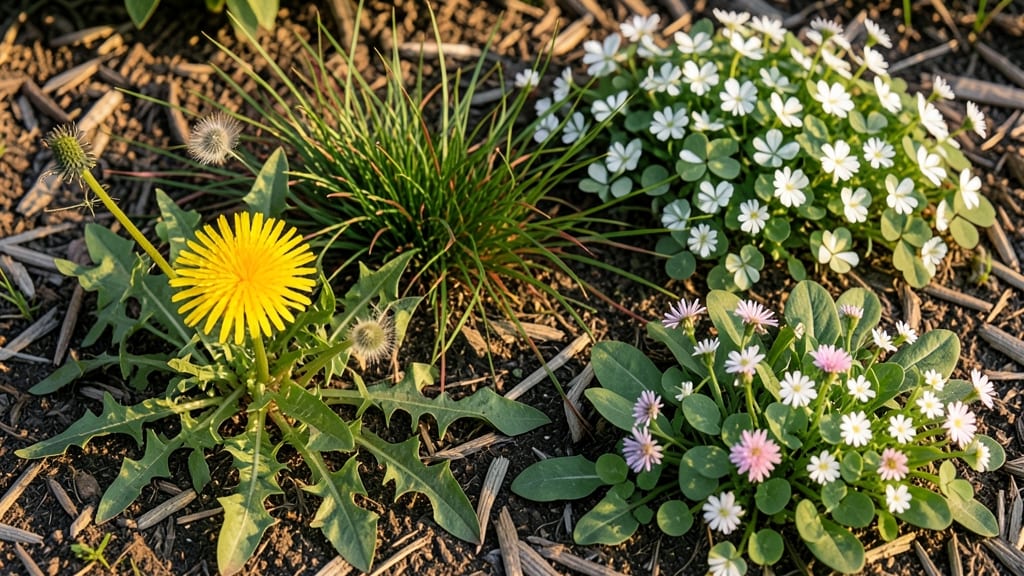
Every spring, New Jersey lawns turn into battlegrounds against the common NJ lawn weeds—crabgrass, dandelions, and nutsedge. 🌱 I’ve spent years fighting these stubborn weeds—here’s how to identify them and stop their takeover before they ruin your yard’s curb appeal.
The key is timing: pull dandelions in early spring before they go to seed, smother crabgrass with pre-emergent in late winter, and dig out nutsedge’s creeping rhizomes while they’re young. Most homeowners overlook the rhizomes, which is why nutsedge keeps coming back.
You’ll end up with a lawn that stays green, dense, and weed-free through summer—no more patchy spots or constant pulling. The secret is combining manual removal with targeted treatments at the right times. Works for any NJ climate, from coastal sands to inland clay.
Let’s get those weeds under control for good.
📚 In This Guide
- What you need
- Instructions
- Tips and common mistakes
- Wrapping up and next steps
What you need
- ● Garden gloves (1 pair) – Heavy-duty, chemical-resistant gloves (e.g., Nitrilo or Leather) to protect your hands.
- ● Hand weeder or dandelion digger (1) – A sturdy, long-handled tool (e.g., Fiskars) for deep-rooted weeds like crabgrass or dandelions.
- ● Hoe or lawn rake (1) – A bow rake (for debris) or stiff-bladed hoe (for cutting weeds at the base).
- ● Broadcast spreader (1) – For even application of pre-emergent herbicides or post-emergent sprays (e.g., Scotts or Spectracide).
- ● Garden sprayer (1–2 gallons) – A pump sprayer for liquid herbicides or a hose-end sprayer for convenience.
- ● Weed killer (herbicide) – Choose based on weed type: Non-selective herbicide (e.g., Roundup or Glyphosate) – Kills all plants (use for spot treatment).
- ● Selective herbicide (e.g., 2,4-D or Dicamba) – Targets broadleaf weeds (safe for grass).
- ● Pre-emergent herbicide (e.g., crabgrass preventer) – Apply in early spring to stop weeds before they sprout.
- ● Lawn mower – Keep it sharp for a clean cut (height: 2.5–3.5 inches to crowd out weeds).
- ● Watering can or hose – For rinsing tools or post-treatment watering (if required).
- ● Trash bags (1–2) – For disposing of pulled weeds (seal bags to prevent seed spread!).
- ● Knee pads – If you’ll be kneeling for extended periods.
- ● Sunscreen & hat – NJ sun can be intense, especially in summer.
- ● Soil test kit – To check pH/fertility if weeds are thriving due to poor lawn health.
- ● Corn gluten meal – Natural pre-emergent (apply in fall for organic control).
- ● Lawn calculator – To measure area for precise herbicide dosage.
How to identify and eradicate NJ lawn weeds effectively
Here’s my go-to approach for tackling the most stubborn weeds in New Jersey yards—no harsh chemicals needed.
🌱 Step 1: Learn the 4 Most Common NJ Weeds
New Jersey’s humid climate and clay-heavy soil create perfect conditions for four persistent weeds: crabgrass (broadleaf with jagged edges), dandelions (deep taproots and bright yellow blooms), clover (three-leaf clusters with white flowers), and nutsedge (grass-like but with triangular stems). I always start by scanning my lawn for these four—each requires a different removal strategy.
Crabgrass spreads aggressively in summer, while dandelions dominate spring and fall. Nutsedge thrives in damp areas, so check low spots after rain. Grab a small trowel or your hands to dig up samples—you’ll notice how each feels different: crabgrass has a fibrous root, dandelions have a long taproot, and clover pulls out easily with its shallow roots.
✂️ Step 2: Remove Weeds by Hand or Targeted Tools
For crabgrass and clover, pull weeds when the soil is moist—this makes roots easier to extract. I use a weeding knife for stubborn roots, especially with dandelions, because their taproots can break off if you tug too hard. For nutsedge, which grows from underground tubers, dig 2-3 inches deep to avoid regrowth—this weed comes back stronger if you miss even a small piece.
Timing matters: Remove weeds before they seed (late summer for crabgrass, early fall for dandelions). I set a reminder to check my lawn every 2 weeks during peak growing seasons. If a weed resists, I’ll try vinegar spray (50% white vinegar, 50% water) for broadleaf weeds—but avoid this on grassy areas, as it can damage your lawn.
💧 Step 3: Prevent Regrowth with Smart Lawn Care
After removal, water deeply but less frequently—this encourages grass roots to grow deeper and outcompete weeds. I aim for 1 inch of water per week, delivered in 2-3 sessions to prevent shallow root growth. For bare spots, overseed with shade-tolerant grass (like fine fescue) in early fall, when weeds are less aggressive.
Mulch with 2-3 inches of compost or shredded leaves in garden beds to block sunlight, which weeds need to germinate. I also adjust my mowing height: 3-4 inches for cool-season grasses in NJ keeps lawns thick and shades out weeds. If you notice new weeds popping up, it’s a sign your lawn needs more nutrients—apply a slow-release fertilizer in spring and fall to strengthen grass.
Tips & tricks for perfect NJ lawn weed eradication
Real talk: Weed control isn't just about pulling what you see—it's about understanding the science behind it. Here's how to make this method work for you without the guesswork.
Weed Identification Shortcut: I keep a small notepad by my lawn chair to jot down which weeds I spot most often. Crabgrass loves sun, so check southern exposures first. Dandelions prefer thin grass areas, while nutsedge thrives in damp spots—look there after rain. This simple tracking helps me focus my efforts where they'll make the biggest difference.
Root Removal Strategy: For dandelions in Step 1, I've learned the hard way that a weeding knife isn't always enough. If you're dealing with stubborn taproots, try this: Insert the knife at a 45-degree angle, twist gently while pulling up—this breaks the root cleanly. For nutsedge in Step 2, dig that full 2-3 inches deep, but don't just pull up—check the hole for any remaining tuber pieces. Even a small fragment will regrow.
Timing is Everything: The 2-week check reminder in Step 2 is non-negotiable during peak seasons. I set phone alerts for late summer (crabgrass) and early fall (dandelions). Pro tip: Early morning is the best time to pull weeds—the soil is moist from dew, and weeds are still turgid (full of water), making them easier to remove without breaking roots.
Vinegar Application Safety: When using the vinegar spray in Step 2, I always apply it on a calm day when rain isn't forecasted for at least 24 hours. The 50/50 mix works well, but I avoid spraying grassy areas—it can kill your lawn too. For spot treatment, use a dropper or small brush to apply directly to the weed's leaves, avoiding contact with surrounding grass.
Pro Tips for Common Nj Lawn Weeds
- Real talk: Weed control isn't just about pulling what you see—it's about understanding the science behind it.
- Weed Identification Shortcut: I keep a small notepad by my lawn chair to jot down which weeds I spot most often.
- Root Removal Strategy: For dandelions in Step 1, I've learned the hard way that a weeding knife isn't always enough.
Frequently asked questions
Got questions about tackling those pesky NJ lawn weeds? You’re not alone—here are the most common concerns and straightforward answers to get your yard back in shape!
What are the most aggressive weeds in New Jersey lawns right now?
New Jersey’s climate favors crabgrass, dandelions, clover, and nutsedge—especially in damp spring/fall seasons. Crabgrass spreads fast in thin grass, while nutsedge thrives in wet areas. Spot them early: crabgrass has jagged edges, dandelions form puffballs, and nutsedge looks like grass with a triangular stem.
When is the best time to treat weeds in my NJ lawn?
Timing is key! Pre-emergent herbicides (like for crabgrass) should be applied in early spring (March–April) or late summer (August–September). Post-emergent treatments work year-round, but tackle broadleaf weeds (e.g., dandelions) in fall when they’re absorbing nutrients. For nutsedge, treat in early summer before it spreads.
Are organic weed killers effective for NJ lawns, or should I stick to chemicals?
Organic options (vinegar, corn gluten meal, or boiling water) work for small, localized weeds but may not handle tough invaders like nutsedge or crabgrass. For large lawns, selective herbicides (like 2,4-D for broadleaf weeds) are more reliable. Pro tip: Spot-treat first to test sensitivity before full application.
Why do weeds keep coming back after I treat them?
Weeds often return due to poor soil health, thin grass, or missed life cycles. Fix it by:
- Overseeding bare spots to crowd out weeds.
- Improving drainage (nutsedge loves soggy soil!).
- Reapplying pre-emergent annually in high-risk areas.
Will herbicides harm my pets or kids if I treat my lawn?
Most pet-safe herbicides (like vinegar-based sprays or corn gluten) pose minimal risk, but chemical options require caution. Keep pets/kids off treated areas for 24–48 hours and water lawns lightly afterward to dilute residue. Opt for selective herbicides (targeting specific weeds) to reduce collateral damage to grass.
Wrapping up and next steps
Identifying and tackling common NJ lawn weeds doesn’t have to feel like a losing battle—with the right tools, techniques, and a little persistence, you can reclaim a lush, green yard! 🌱 Remember, consistency is key: regular maintenance, proper watering, and timely treatments will keep those pesky weeds at bay.
Ready to take action?
Your next step? Grab your gloves, gather your supplies, and start small—whether it’s spot-treating crabgrass or overseeding bare patches. A well-maintained lawn isn’t just about aesthetics; it’s a proud achievement you can enjoy all season long. Happy gardening!