
Plants
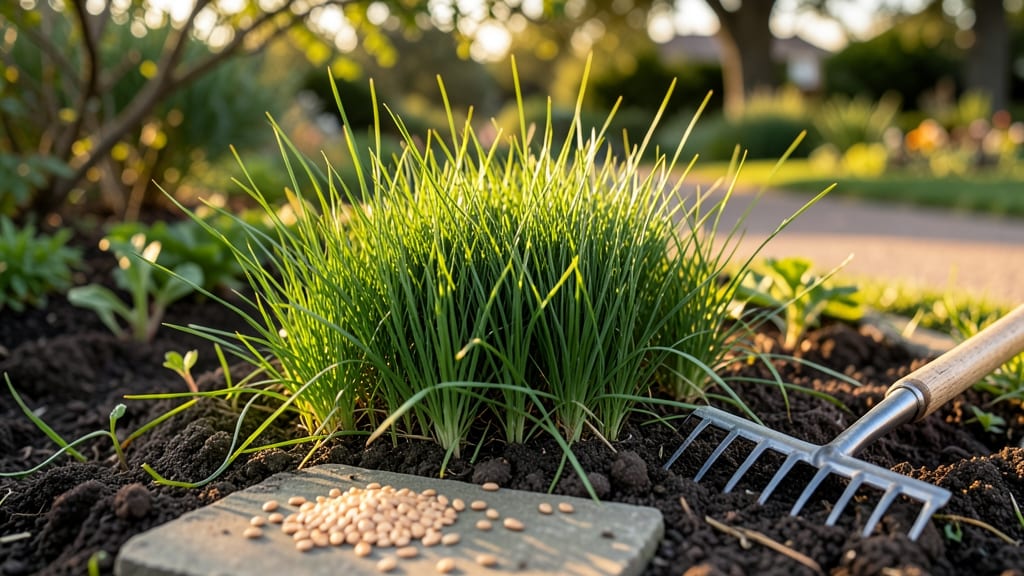
The best time to plant grass in Georgia is early spring or early fall, when soil temperatures and rainfall align for fast root growth—avoiding the brutal summer heat or winter dormancy risks.
Georgia’s humid subtropical climate means planting too early can leave seedlings vulnerable to late frosts, while summer heat dries out new grass before it takes hold. Timing is everything—miss the window, and you’ll face patchy, slow-growing turf that struggles to survive.
Cool-season grasses like fescue thrive in Georgia’s spring and fall, while warm-season types like bermudagrass prefer late spring. We’ll break down the ideal months for your USDA zone, soil prep secrets, and how to beat Georgia’s red clay challenges.
Skip the guesswork: learn the exact planting schedule, watering tricks, and fertilization plan to get a lush lawn that outlasts Georgia’s extreme seasons.
Georgia’s ideal grass planting windows by heat zone (7a-8b)
Georgia’s climate—spanning USDA zones 7a-8b—creates distinct challenges for grass planting. Cool-season grasses like tall fescue thrive in milder temperatures, while warm-season varieties such as bermudagrass and zoysia demand heat.
Timing your planting to align with soil temperatures and seasonal shifts is the key to avoiding winter dieback or summer stress. Let’s break down the perfect windows for each zone and grass type to ensure your lawn establishes strong roots and stays vibrant year-round.
In Zone 7a (northern Georgia), cooler winters and shorter growing seasons favor early spring planting for cool-season grasses. Meanwhile, Zone 8b (southern Georgia) extends the window slightly, allowing for later spring and earlier fall plantings.
The critical factor? Soil temperatures must stay above 55°F (13°C) for warm-season grasses and below 85°F (29°C) for cool-season varieties to avoid heat shock. Let’s dive into the exact months and conditions for each zone.
For Zone 7a, cool-season grasses like tall fescue should be planted in late March to early April when soil temperatures hover between 50-65°F (10-18°C).
This window ensures seeds germinate before summer heat arrives. Bermudagrass, a warm-season favorite, thrives when planted in mid-April to early May, once soil temperatures consistently exceed 65°F (18°C). In
How to prepare Georgia soil for fast grass root growth before planting
Georgia’s red clay soils and humid climate demand special prep work to create the perfect foundation for fast grass root growth. Without proper soil preparation, even the best grass seed will struggle to establish strong roots, leaving your lawn vulnerable to drought, pests, and heat stress.
The key lies in balancing pH levels, improving drainage, and feeding the soil with organic matter before planting.
Start by testing your soil’s pH level—Georgia’s native soils often test acidic (below 6.0). Aim for a 6.0-7.0 range for optimal nutrient uptake.
Cool-season grasses like tall fescue thrive in this range, while warm-season varieties like bermudagrass tolerate slightly lower pH. Use a simple soil test kit or send a sample to your local UGA Extension office for precise results.
- ☑️ Test pH (aim for 6.0-7.0)
- ☑️ Amend with compost (2-3 inches mixed into top 6 inches)
- ☑️ Break up clay with gypsum or sand if drainage is poor
- ☑️ Apply starter fertilizer (high-phosphorus, 10-20-10 ratio)
- ☑️ Level and rake for even seed-to-soil contact
For Georgia’s clay-heavy soils, focus on improving drainage before planting. Mix in 2-3 inches of compost or well-rotted manure into the top 6 inches of soil to loosen clay particles and boost organic matter.
If drainage remains poor, add gypsum (not lime) to help break up compacted clay without raising pH. Avoid sand—it can create pockets that worsen drainage issues in clay soils.
Next, feed your soil with a starter fertilizer rich in phosphorus to encourage root development. Look for a 10-20-10 or 16-4-8 NPK ratio, which promotes strong root systems without excessive top growth.
Apply the fertilizer evenly over the prepared soil and lightly rake it in before seeding. This step is crucial for fast germination, especially in Georgia’s hot, humid summers.
Don’t overlook the importance of leveling and raking the soil before planting. Use a lawn rake to create a smooth, firm surface with no clumps or depressions. This ensures even seed-to-soil contact, which is critical for uniform germination.
For large areas, consider renting a soil leveler to achieve a professional finish that reduces water pooling and weed growth.
Finally, water the prepared soil thoroughly 24 hours before planting to settle the amendments and create an ideal seedbed. Keep the soil consistently moist (not soggy) during the first 2-3 weeks of growth, as this is when roots establish themselves.
Mulch lightly with straw to retain moisture and protect new seedlings from Georgia’s intense afternoon sun.