
Fertilization
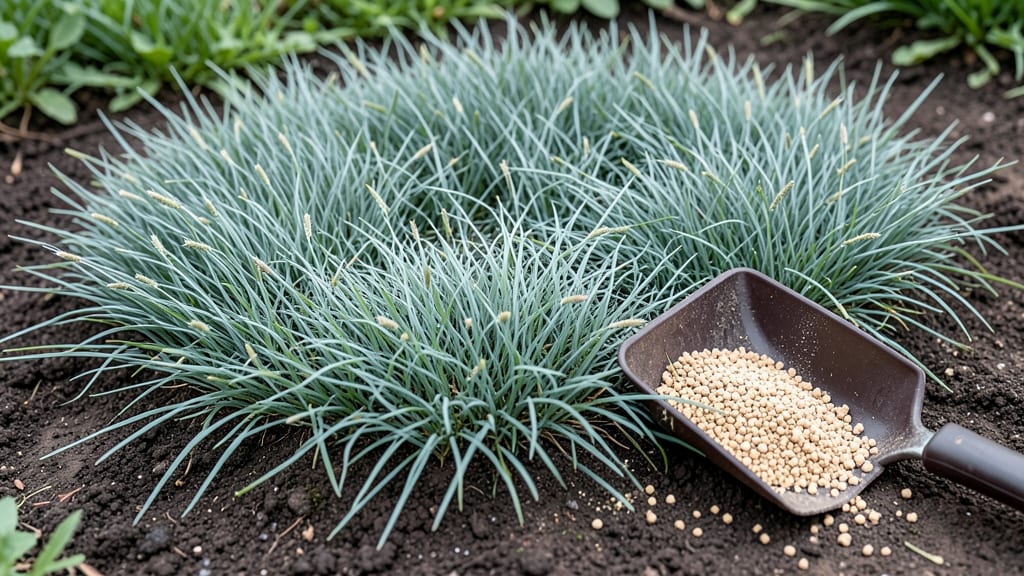
Fertilizing new grass at the right time is the difference between a thin, patchy lawn and one that establishes deep roots and thrives for years.
Picture this: you’ve just seeded your lawn in early spring, watering faithfully and watching for the first green shoots. But if you fertilize too soon, you risk burning tender seedlings. Too late, and your grass struggles to compete with weeds.
The key is timing—waiting until the grass is actively growing but hasn’t yet reached maturity—and knowing the exact window can save you from costly mistakes.
Most lawns benefit from their first feeding 4-6 weeks after planting, when roots are developing but the blades are still short. This timing ensures nutrients go where they’re needed most—into the soil, not wasted on immature foliage.
But climate and grass type play a role: cool-season grasses like Kentucky bluegrass need an early spring boost, while warm-season varieties like Bermuda grass wait until summer heat kicks in.
In this guide, I’ll walk you through the perfect fertilization schedule, from starter fertilizer to follow-up feeds, plus how to spot when your grass is truly ready. Avoid the guesswork and give your lawn the strong foundation it deserves.
Optimal fertilization timeline for new grass seed: week-by-week breakdown
Timing your grass seed fertilization is like setting a foundation—get it wrong, and your lawn's growth could suffer. The key lies in understanding your grass type and climate. Cool-season grasses (like Kentucky bluegrass) thrive in early spring or fall, while warm-season grasses (like Bermuda) need summer feeding.
Your first feeding window opens only after germination, never before.
Most gardeners make the mistake of fertilizing too early, which can burn tender seedlings. Instead, wait until your grass reaches 2-3 inches tall—this signals strong root development.
For starter fertilizer, apply it at planting time only if your soil test shows deficiencies. Otherwise, hold off until those first blades appear.
Here’s the critical week-by-week breakdown for both grass types, including when to apply starter fertilizer, the first feeding, and ongoing care milestones:
For cool-season grasses, the ideal planting window is 4-6 weeks before your last frost date (typically early spring or early fall). Apply your first feeding when the grass hits 1-2 inches tall, usually around 3-4 weeks after planting.
This aligns with root development and ensures your lawn doesn’t get a nutrient burn from over-fertilizing.
In contrast, warm-season grasses should be planted in late spring after soil temperatures reach 60°F+. Their first feeding comes slightly later—around 4-5 weeks after planting—when they’ve reached 2 inches tall. Warm-season grasses are more drought-tolerant, so avoid overwatering during fertilization to prevent runoff.
Regional climate plays a huge role. In northern climates, focus on spring and fall feedings to support cool-season grasses. In southern climates, prioritize late spring and summer for warm-season varieties. Always check soil temperature—cool-season grasses struggle in heat, while warm-season types can’t handle frost.
Pro tip: Use a soil thermometer to confirm ideal planting conditions. For cool-season grasses, aim for 50-65°F soil temps; warm-season grasses need 65-75°F. If your soil is too cold or hot, delay planting and fertilization until conditions align.
After the initial feedings, maintain a 6-8 week schedule during the growing season. Use a slow-release fertilizer to avoid spikes in nitrogen, which can lead to thatch buildup. Always water deeply after fertilizing to help nutrients reach the roots.
One common mistake is skipping the starter fertilizer entirely. While it’s not mandatory, it provides essential phosphorus (P) for root development. If you skip it, supplement with a balanced fertilizer (10-10-10) at the first feeding instead.
By following this week-by-week timeline, you’ll give your new grass the perfect nutritional boost—without the risk of burning or stunting its growth. Patience is key; rushing the process can set your lawn back for months.
Signs your new grass is ready for fertilizer (and when to wait)
Freshly planted grass seed needs patience before you reach for that fertilizer bag. Applying nutrients too soon can burn delicate sprouts, while waiting too long may leave your lawn weak and vulnerable. The key is watching for 3 key readiness signs: grass height, color depth, and root development.
These visual and tactile cues tell you when your lawn is strong enough to handle feeding.
Most gardeners make the mistake of fertilizing at germination, when tiny sprouts first appear. But those 1-2 inch seedlings lack the root strength to process nutrients safely. Instead, focus on keeping soil moist and weed-free during these early weeks.
Your first feeding should wait until the grass reaches 2-3 inches tall—typically 4-6 weeks after planting, depending on your climate.
⚠️ callout warning ⚠️
Applying fertilizer before grass reaches 2-3 inches can cause salt burn and stunt growth. Wait until you see:
- ✅ Deep green color (not pale yellow)
- ✅ 2-3 inch height (taller than weeds)
- ✅ Visible roots when gently pulled
Pro Tip: Test soil moisture first—dry soil amplifies fertilizer burn risk.
Check soil temperature before fertilizing—it should be consistently above 55°F (13°C) for warm-season grasses or 60°F (16°C) for cool-season types. Cold soil slows nutrient uptake, wasting your fertilizer. Use a soil thermometer for accuracy, especially in spring or fall plantings. If temperatures fluctuate daily, wait another 7-10 days before feeding.
Look beyond height when assessing readiness. Healthy grass should have a rich green color and feel slightly springy underfoot. Run a simple root test: gently pull up a small patch—if you see 1-2 inch roots holding the clump together, your lawn is ready.
Weak roots (or none at all) mean more time for growth before fertilizing. This tactile check is more reliable than guessing by days since planting.
Don't forget to check for weeds—especially crabgrass or chickweed—which compete with your grass for nutrients. If weeds dominate, prioritize pre-emergent control before fertilizing. A 50/50 grass-to-weed ratio is the ideal balance for safe feeding. Use a 1-inch square ruler to sample multiple lawn areas for accurate assessment.
Once you've confirmed all readiness signs, choose a low-nitrogen starter fertilizer (like 10-20-10) for your first feeding. Apply in early morning when dew is present to minimize stress on the lawn.
Water deeply afterward to help nutrients reach the roots. This timing ensures your grass gets the boost it needs without risking burn or overgrowth.