
Container Gardens
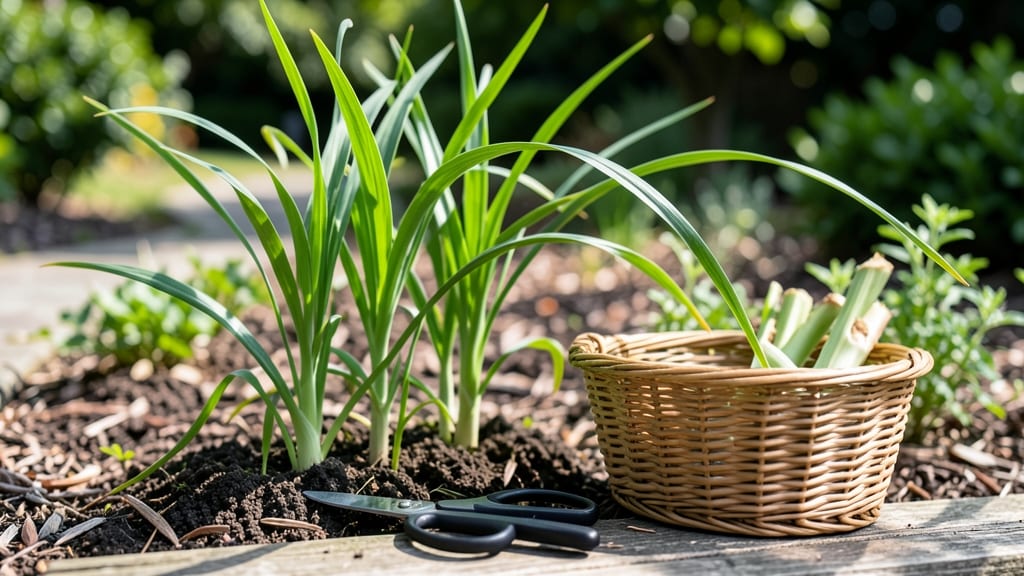
Lemongrass is in season from late spring through fall 🌿, with the sweetest, most tender stalks appearing between June and October in most growing zones.
Wondering when to harvest lemongrass for the freshest, most flavorful stalks? Timing is everything—plant too early or late, and you’ll miss its peak season, leaving you with bitter or woody stems instead of the citrusy perfection you crave.
In warmer climates like Florida or California, you can grow lemongrass year-round, while in cooler zones like 6a, it thrives as an annual, needing protection from frost. The key is planting after the last frost—typically March to April—so the stalks mature before temperatures drop.
Below, I’ll break down the exact months for planting and harvesting by USDA zone, plus hacks to extend the season indoors or in containers. You’ll also learn how to spot the perfect harvest time so your lemongrass tastes like summer all year.
Lemongrass season by USDA heat zones: exact months for peak harvest
If you’ve ever wondered why your lemongrass tastes bitter or why it grows slowly, the answer likely lies in your USDA heat zone. Lemongrass thrives in warm climates but has very specific planting and harvesting windows depending on where you live.
In USDA zones 8-11, the timing of its peak season can vary dramatically—from year-round growth in Florida to a tight summer window in Southern California. Understanding these differences ensures you harvest citrusy, tender stalks instead of woody, overripe ones.
Lemongrass is a tropical perennial in warm zones but often grown as an annual in cooler microclimates. The key to maximizing flavor and yield is planting at the right time—typically when soil temperatures hit 65°F or higher.
In zone 8, this might mean waiting until late spring, while in zone 11, you can plant almost anytime. Harvesting too early or too late can turn your prized herb into a bitter, fibrous mess, so let’s break down the exact months for each zone.
In zone 8, where winters can still dip below freezing, lemongrass is best planted in April or May after the last frost. This gives the plants enough time to establish roots before the hot summer months when they’ll really thrive.
The peak harvest window is July through September, but if you live in Southern California, you might extend this slightly earlier or later thanks to the Mediterranean climate.
Gardeners in zone 9, like those in Texas or Arizona, enjoy a longer growing season. Planting in March or April ensures your lemongrass is ready for harvest by May, and you can keep harvesting well into October.
The key here is to mulch heavily in winter to protect the roots from occasional cold snaps, which can stunt growth or even kill the plant if temperatures drop too low.
If you’re in zone 10, such as Florida or Southern California’s coastal regions, you’re in luck—lemongrass can often be grown year-round. Plant in February or March for a harvest that starts as early as April and continues through November.
In these zones, the biggest challenge isn’t frost but overwatering or pests like aphids, so focus on well-draining soil and regular inspections.
For those in zone 11, including Hawaii and Puerto Rico, lemongrass is a perennial powerhouse. You can plant anytime, but the best flavor comes from stalks harvested during the dry season (typically January–June).
The tropical climate means you’ll have continuous harvests, but be mindful of hurricane season, which can damage plants if they’re not staked or protected.
Regardless of your zone, the secret to sweet lemongrass is harvesting at the right time. Aim for stalks that are 12–18 inches tall with fully unfurled leaves. If you wait too long, the stalks become woody and bitter, ruining their culinary potential.
In warmer zones, you can often harvest every 6–8 weeks, while in cooler zones, you’ll want to harvest before the first frost hits.
Pro tip: If you’re in a transition zone like zone 8b, consider growing lemongrass in containers. This lets you move pots indoors or under a cloche before cold snaps, extending your harvest season significantly.
Just ensure your containers have drainage holes to prevent root rot, a common issue with overwatered lemongrass.
Finally, don’t forget that soil temperature matters just as much as air temperature. Lemongrass roots struggle in cold soil, so always plant in well-warmed beds or use black plastic mulch to speed up soil heating.
With the right timing and care, you’ll enjoy fresh, citrusy lemongrass straight from your garden all season long.
How to extend lemongrass season: year-round growing hacks for any climate
Lemongrass thrives in warm climates but can be coaxed into growing year-round with the right strategies. Even in colder zones, you can enjoy fresh stalks by adapting your approach.
The key is understanding how to protect tender plants and create ideal conditions. With these techniques, you’ll never again rely on store-bought lemongrass with its muted flavor.
For gardeners in USDA zones 8-11, extending the season is easier—just protect plants from late frosts and early chills. But if you’re in zones 6-7, container gardening and indoor growing become essential.
The good news? Lemongrass adapts well to pots, making it perfect for balconies, patios, or even kitchen windowsills.
- Container Gardening: Use 5-gallon pots with drainage holes and fill with well-draining potting mix. Move containers indoors before first frost (typically October-November in zones 6-7).
- Greenhouse or Cold Frame: Extend outdoor growth by 3-4 months using a low tunnel or cold frame. Maintain 50°F+ temperatures to prevent dormancy.
- Companion Planting: Pair with basil or mint to deter pests like aphids. Avoid planting near citrus trees, which can compete for nutrients.
- Overwintering Indoors: Trim stalks to 6 inches before bringing inside. Place near a south-facing window for 6+ hours of light daily.
- Indoor Hydroponics: Grow in water-based systems with LED grow lights (12+ hours/day). Harvest every 6-8 weeks for continuous supply.
If you’re growing lemongrass in containers, choose pots with at least 12-inch depth to accommodate the plant’s deep root system. Use a mix of peat moss, perlite, and compost to ensure drainage while retaining moisture.
During winter, reduce watering to every 7-10 days and avoid fertilizing—lemongrass goes semi-dormant in cooler months.
For greenhouse growing, focus on maintaining humidity and warmth. A simple plastic greenhouse can work, but add a thermostat-controlled heater if nights drop below 50°F. Prune stalks regularly to encourage bushier growth, and use reflective mulch to maximize sunlight exposure.
Indoor cultivation is ideal for small spaces or urban gardeners. Place your pot near a bright window or under grow lights (12-14 hours/day). Keep the soil consistently moist but not soggy, and rotate the pot weekly for even growth.
With this setup, you can harvest fresh lemongrass year-round, even in freezing climates.
Protect your plants from late-season pests like spider mites by spraying with neem oil every 2-3 weeks. In colder zones, mulch heavily with straw or leaves to insulate roots. These small adjustments can make the difference between a thriving plant and a struggling one during transitional seasons.
With these strategies, you’ll enjoy fresh, flavorful lemongrass whenever you need it—no more waiting for the perfect growing window. Start experimenting this season, and you’ll never run out of this versatile herb again! 🌱