
Companion Plants
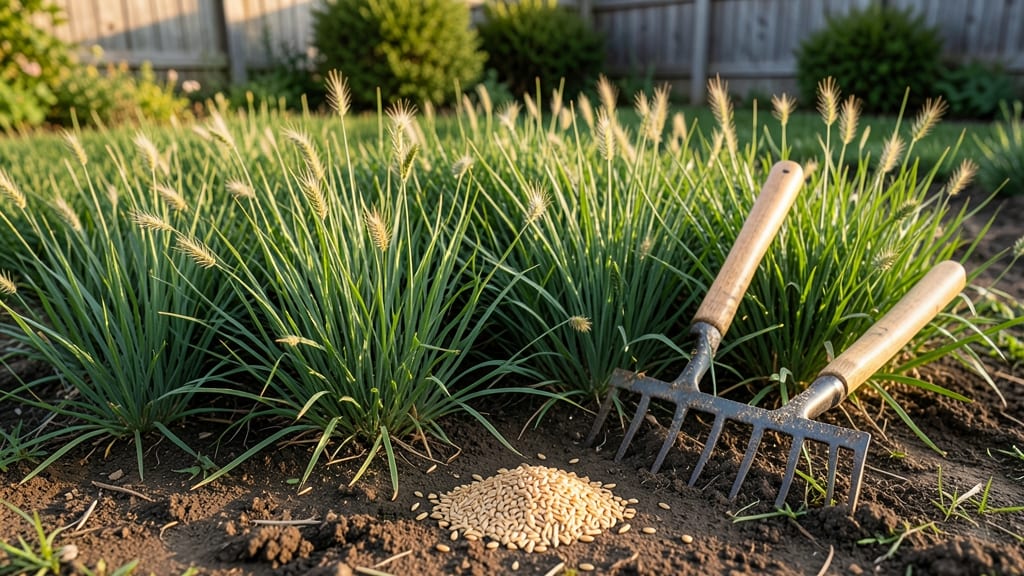
Planting grass in the spring should happen when soil temperatures hit 55–65°F—this is the fastest way to ensure strong root growth and a thick lawn.
Timing your spring grass planting wrong can mean weak roots, patchy growth, or wasted effort—so knowing the exact soil temperature window is critical for a lush, fast-growing lawn. 🌱
Most cool-season grasses, like Kentucky bluegrass, thrive when planted in early spring (March to April), while warm-season varieties prefer late spring or early summer. But don’t just guess—check your local frost dates and soil conditions first.
In this guide, I’ll break down the ideal planting windows, how to test soil temperature, and the 5 signs your lawn is ready for seeding—so you can skip the guesswork and get a head start.
Ideal soil temperature ranges for spring grass planting by region
Getting your spring grass planting timing right depends on soil temperature, not just air temperature. Cool-season grasses like Kentucky bluegrass and fescue need soil between 50–65°F to germinate properly, while warm-season types like Bermuda grass prefer 65–75°F.
Planting too early or late can stunt root growth and leave your lawn vulnerable to weeds.
Your region plays a huge role—northern climates often see ideal temps in early April, while southern areas might wait until late March or early May. Even a 10°F difference can mean the difference between strong germination and wasted seed.
Let’s break down the exact ranges and how to test your soil for perfect planting conditions.
To check your soil temperature, use a soil thermometer inserted 2–4 inches deep. Early mornings are best—soil cools overnight, giving you a more accurate reading. Aim for consistent temps for at least 3 days before planting.
If your soil is too cold, wait; if it’s too warm, shade the area temporarily to slow heating.
In northern states, like Minnesota or New York, frost risk lingers until mid-April, so cool-season grasses planted in early April will establish roots before summer heat arrives.
Meanwhile, southern states, such as Texas or Florida, can plant warm-season grasses as early as late March when soil warms up faster.
If you’re unsure about your local frost dates, check the USDA Plant Hardiness Zone Map and add 4–6 weeks to the last frost date for cool-season grasses.
For warm-season types, wait until nighttime temps stay above 60°F consistently. This ensures your grass won’t suffer from late frost damage or heat stress.
Pro tip: Use a clear plastic mulch to warm cold soil faster or shade cloth to cool overheated soil. This gives you more flexibility to plant at the perfect time, even if Mother Nature isn’t cooperating. Just remember—soil temp matters more than air temp for seed germination.
Once your soil hits the ideal range, prepare it by loosening the top 2–3 inches with a rake or tiller. Remove debris and level the area to ensure even seed-to-soil contact.
Water lightly before seeding to help seeds settle into the soil, then keep the area consistently moist (not soggy) for the first 2–3 weeks.
For fastest germination, water in the early morning to reduce evaporation and fungal risks. Avoid walking on newly seeded areas until you see sprouts in 7–14 days. Patience here pays off—strong roots mean a thicker, healthier lawn that outcompetes weeds naturally.
If you’re in a transition zone (like Oklahoma or Virginia), you might plant cool-season grasses in early spring and warm-season types in late spring. This two-step approach ensures year-round green coverage. Just adjust your soil temp checks accordingly for each planting window.
Timing your spring grass planting correctly isn’t just about the calendar—it’s about understanding your soil’s temperature signals. With the right tools and a little patience, you’ll have a lawn that’s the envy of the neighborhood by summer. Happy planting!
5 Signs your soil is ready for grass seeding (beyond temperature)
Soil temperature is just one piece of the puzzle when deciding if your lawn is ready for grass seeding. Even if your thermometer shows the perfect 55–65°F range, other factors can make or break your success.
From moisture levels to weather forecasts, these 5 key indicators will tell you when your soil is truly ready for seeds to thrive.
First, check for consistent moisture—your soil should feel like a damp sponge, not soggy or bone-dry. Stick your finger about 2 inches deep; if it comes out clean (not caked with dirt), you're golden. This moisture level ensures seeds stay hydrated during germination without rotting from overwatering.
Next, examine the soil texture. Ideal lawn soil should crumble easily between your fingers when dry and hold light pressure when moist.
If it forms hard clumps or feels powdery, you’ll need to amend it—clay-heavy soil benefits from compost or sand, while sandy soil needs organic matter like peat moss to retain moisture.
- 1 Moisture Test: Soil should feel like a damp sponge—neither soggy nor dry. Use the finger test (2 inches deep) for accuracy.
- 2 Texture Check: Crumbles easily when dry, holds light pressure when moist. Amend with compost if clumpy or powdery.
- 3 Weather Forecast: Look for 5+ days of stable, mild weather (no rain or frost) after seeding.
- 4 Weed-Free Zone: Pull existing weeds or apply a pre-emergent herbicide 2 weeks before seeding.
- 5 pH Balance: Test soil pH (ideal: 6.0–7.5). Adjust with lime (low pH) or sulfur (high pH) 4–6 weeks before planting.
Don’t overlook the weather forecast—this is often the dealmaker or breaker. Aim for a 5-day stretch of mild temperatures and no rain in the immediate planting window.
Rain can wash away seeds, while frost will kill them instantly. Check the 10-day outlook to avoid planting too close to unpredictable weather shifts.
Before you spread seeds, clear the area of existing weeds. Even small weeds compete aggressively with grass for nutrients and space. If you spot weeds, pull them by hand or apply a pre-emergent herbicide 2 weeks before seeding.
This gives your grass seedlings a fighting chance to establish without battling for survival.
Lastly, test your soil pH—most grasses thrive in a range of 6.0–7.5. If your soil is too acidic (below 6.0), add pelletized lime 4–6 weeks before planting.
For alkaline soil (above 7.5), mix in elemental sulfur to lower the pH. A simple $10 soil test kit from your local garden center will save you from guesswork.
When all five signs are checked off, your soil is primed for grass seeds to germinate quickly and grow strong. Paying attention to these details—beyond just temperature—will give you a thicker, greener lawn with fewer headaches down the road. 🌱