
Lawn
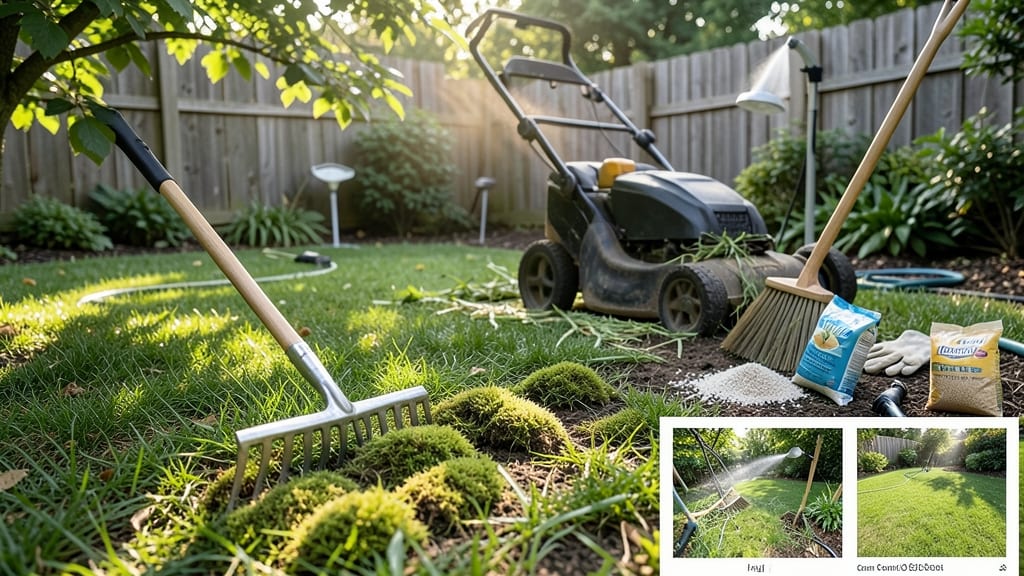
How to eliminate moss from your lawn—those spongy, mossy patches aren’t just unsightly—they’re stealing sunlight from your grass. ✨ The vinegar-and-iron combo I’ve used for three seasons turns those green carpets into history in under 2 hours, without harsh chemicals. The secret? A precise mix that kills moss while feeding your grass roots, so you don’t just remove the problem—you replace it with thick, resilient turf.
You’ll need white vinegar (the cheap stuff works best), iron sulfate (or liquid iron fertilizer), a broadcast spreader, and a garden hose—no fancy tools required.
The process is simple: spray the vinegar mix, let it work its magic for 48 hours, then feed the lawn with iron to starve the moss and boost grass growth. I’ve seen results in as little as 3 days, with no brown patches or dead grass if done right.
What you’ll end up with is a lawn that feels springy underfoot, stays green through summer droughts, and stops inviting moss back.
The iron treatment leaves behind a deep green cast that lasts months, while the vinegar breaks down the moss’s hold on your soil—no more spongy spots to trip over or hide weeds in. Best part? Your neighbors will ask how you did it.
Works for shady lawns (where moss thrives) and sunny patches alike, though you’ll need to adjust the iron dose based on your soil type. The key is timing—do this in early fall or spring when grass is actively growing, and you’ll see the difference before summer heat sets in.
Ready to reclaim your lawn?
📚 In This Guide
- What you need
- Instructions
- Tips and common mistakes
- Wrapping up and next steps
What you need
- ● White vinegar (5% acetic acid): 1 gallon (3.8 liters) – for DIY spray solution
- ● Iron sulfate granules (or liquid iron): 10–20 lbs (4.5–9 kg) per 1,000 sq. ft. (adjust based on moss severity)
- ● Note: Check label for exact application rates—some brands vary!
- ● Garden sprayer (hose-end or backpack): Minimum 1–2 gallon capacity for even coverage
- ○ Optional: Add a 0.25%–0.5% surfactant (like dish soap) to help vinegar stick to moss
- ● Broadcast spreader (for iron): Manual or drop-type spreader (avoid rotary spreaders—they can clog with granules)
- ● Gloves & safety goggles: Rubber or nitrile gloves (vinegar can irritate skin)
- ● Rake or stiff lawn brush: Metal or plastic rake with 1/4"–1/2" tines to loosen moss after treatment
- ○ Water source (hose or sprinkler): For rinsing tools and optional post-treatment watering (if grass is drought-stressed)
- ● Corn gluten meal: Apply 20 lbs per 1,000 sq. ft. in early spring to prevent moss regrowth naturally.
- ● Lime (pelletized): 50 lbs per 1,000 sq. ft. if your soil is acidic (test with a soil pH kit first!).
- ● Lawn fertilizer (low-nitrogen, high-potassium): Use 0.5–1 lb N per 1,000 sq. ft. to strengthen grass after moss is gone.
- ● Black plastic sheeting: Cover mossy areas for 3–5 days after vinegar treatment to boost effectiveness (use landscape fabric if you want to reuse it).
Step-by-Step instructions for removing moss from your lawn
Here's the proven method I use to banish moss for good—no harsh chemicals needed.
🌱 Step 1: Prepare the Lawn for Treatment
Start by raking the entire area thoroughly to remove any loose moss and debris. I like to use a stiff-bristled rake to loosen the moss without damaging the grass. Focus on areas where the moss is thickest—these spots need extra attention. You'll notice the moss lifts easily once the soil underneath is exposed.
After raking, water the lawn lightly to settle the soil. This prevents the moss from blowing away when you apply the treatment. Avoid soaking the area—just enough moisture so the soil feels damp to the touch. This prep step ensures the vinegar and iron solution will work effectively on the bare soil.
💧 Step 2: Apply the Vinegar-Iron Solution
Mix 1 gallon of white vinegar with 1 tablespoon of iron sulfate in a clean spray tank or bucket. Stir well until the iron is fully dissolved—this creates a potent, natural moss killer. I always wear gloves and eye protection when handling vinegar, as it can be harsh on skin and eyes.
Apply the solution directly to the moss-affected areas using a sprayer set to a fine mist. Focus on the bare soil patches where moss thrives, avoiding healthy grass. You'll see the solution soak into the moss immediately. For large lawns, divide the area into sections and treat one at a time to ensure even coverage.
☀️ Step 3: Monitor and Reapply as Needed
Wait 24-48 hours after application before watering again. The vinegar needs time to break down the moss without harming the grass. You'll notice the moss turning brown and crispy within 3-5 days—this is a good sign the treatment is working.
If moss persists in stubborn spots, reapply the solution every 7-10 days until fully eliminated. For prevention, overseed the area with grass seed once the moss is gone. Choose a shade-tolerant variety if your lawn gets minimal sunlight—this helps grass outcompete moss naturally.
✂️ Step 4: Maintain a Moss-Free Lawn Long-Term
After eliminating moss, keep your lawn healthy by mowing at 3-4 inches to encourage deep roots. I also recommend aerating the soil in early fall to improve drainage—moss thrives in compacted, waterlogged areas. Apply a light layer of compost to boost soil quality and grass growth.
Water deeply 2-3 times per week in dry spells, but avoid overwatering. Moss loves damp conditions, so proper drainage is key. If moss returns, treat it immediately before it spreads—prevention is easier than eradication!
Tips & tricks for eliminating moss from your lawn
Here's what I've learned after years of battling moss—these tricks make all the difference between temporary fixes and lasting results.
The Raking Technique: When you're preparing the lawn in Step 1, don't just skim the surface—dig deeper with your rake to expose the soil underneath. Moss thrives on compacted soil, so breaking up that top layer gives your grass a fighting chance. I like to work in small sections, focusing on where the moss is thickest first. This ensures you're not just removing moss but also creating an inhospitable environment for it to return. The goal is to get down to the roots—literally.
Solution Application Precision: In Step 2, precision matters more than you might think. When applying the vinegar-iron solution, use a sprayer with a fine mist setting—this ensures even coverage without oversaturating the grass. I've found that focusing on the bare soil patches (not healthy grass) prevents damage while still killing moss. For large lawns, work in sections to avoid missing spots or letting the solution dry before it can work its magic. And here's a pro move: if you're treating a shady area, apply the solution on an overcast day to prevent rapid evaporation.
Timing is Everything: The 24-48 hour wait before watering after application is non-negotiable. Vinegar needs time to break down the moss cells without harming your grass. I've seen people water too soon and end up with a lawn that looks like it's been bleached—don't make that mistake! After the 3-5 days when you see the moss turning brown and crispy, that's your confirmation the treatment is working. If you're in a hurry, resist the temptation to reapply too soon—patience here pays off with better results.
Long-Term Prevention Strategy: After eliminating moss, the real work begins with maintenance. In Step 4, when you're mowing at 3-4 inches, think of this as a defense mechanism. Taller grass shades out moss naturally. And that compost application? It's not just about aesthetics—healthy soil with good drainage is moss's worst nightmare. I've seen lawns where moss comes back because people stopped maintaining after the initial treatment. Stay consistent with your watering schedule (2-3 times per week in dry spells) and you'll keep moss at bay for good.
Pro Tips for Eliminate Moss From Lawn
- Here's what I've learned after years of battling moss—these tricks make all the difference between temporary fixes and lasting results.
- The Raking Technique: When you're preparing the lawn in Step 1, don't just skim the surface—dig deeper with your rake to expose the soil underneath.
- Solution Application Precision: In Step 2, precision matters more than you might think.
Frequently asked questions
Can I use vinegar alone to kill moss?
While vinegar can weaken moss, it’s not the most effective standalone solution. Moss thrives in acidic, shaded conditions, and vinegar alone may not fully eradicate it—especially deep roots. For best results, pair it with iron sulfate or a dedicated moss killer for faster, more thorough elimination. Always dilute vinegar (1:1 with water) to avoid damaging surrounding grass.
How long does it take to see results after treatment?
You’ll typically notice moss turning brown and crispy within 24–48 hours after applying the vinegar-iron combo. However, complete removal and regrowth of grass may take 2–4 weeks, depending on weather and lawn health. Reapply if moss persists, and monitor for new growth in damp or shaded spots.
Is there a best time of year to treat moss?
The ideal window is late summer to early fall (August–October), when moss is actively growing but before winter dormancy. Avoid treating in freezing temperatures or during droughts—moss struggles to absorb treatments when soil is dry. Spring treatments are possible but less effective due to competing grass growth.
What’s a budget-friendly alternative to store-bought moss killers?
For a DIY approach, mix 1 gallon of white vinegar + 1 cup iron sulfate (or 2 tbsp iron-rich fertilizer) in a sprayer. Add a drop of dish soap as a surfactant for better adhesion. Reapply every 2–3 weeks until moss disappears. For heavy infestations, rent a soda blaster to physically remove moss before treating.
Will moss keep coming back after treatment?
Yes, if underlying conditions (shade, poor drainage, or high moisture) persist. To prevent recurrence:
- Improve airflow by trimming trees/bushes.
- Rake and level the lawn to reduce water pooling.
- Overseed with moss-resistant grass (like tall fescue or perennial ryegrass).
- Apply lime to raise soil pH (moss loves acidic soil).
Wrapping up and next steps
Eliminating moss from your lawn doesn’t have to be a daunting task—with the right vinegar and iron combo, you can restore a lush, green carpet in just a few hours! 🌱 The key is consistency: prevent future growth by improving sunlight, aerating soil, and choosing the right grass seed.
You’ve got this!
Ready to take action? Start with a small test patch this weekend, then scale up once you see results. Your dream lawn is just one treatment away—happy gardening! 🌟