
Plants
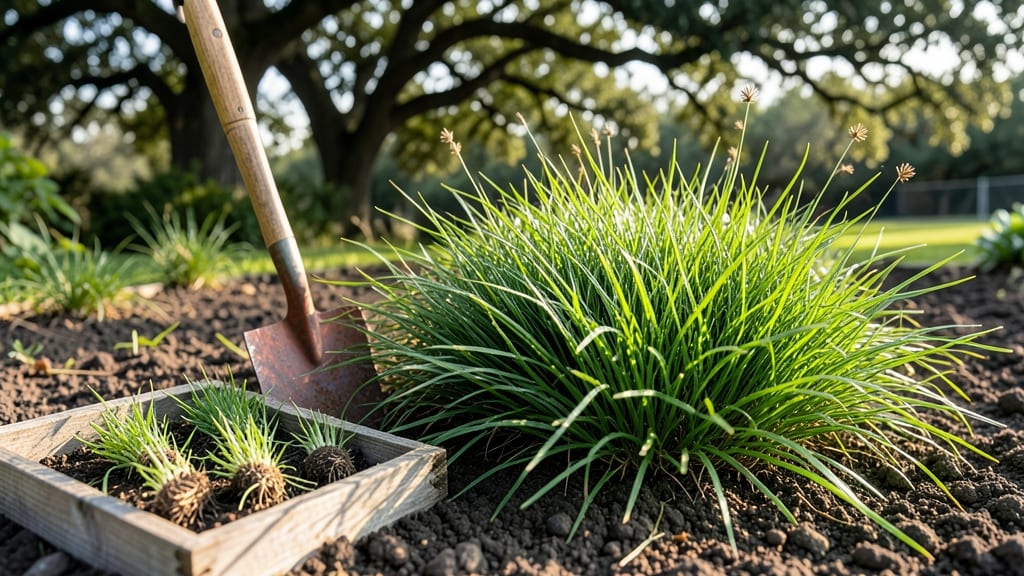
To plant Bermuda grass in Georgia, aim for late April through early June or mid-August to early September—when soil temperatures hit 65°F+ and the heat is just right for fast root growth 🌱.
Planting Bermuda grass at the wrong time in Georgia can mean weak roots, slow spread, and a lawn that struggles to survive the heat—so timing is everything.
This warm-season grass thrives in Georgia’s 7a-8b zones, but coastal areas and the Piedmont have different ideal windows. Miss the sweet spot, and you might end up with patchy coverage or grass that browns before it fills in.
Below, I break down the exact months for your region, soil prep tips to speed up establishment, and how to tell if you’ve planted too early or too late.
Georgia’s Bermuda grass planting windows by climate zone (with exact dates)
Georgia’s climate varies dramatically from the cooler North Georgia mountains to the hot, humid coastal plains in the south. This means your Bermuda grass planting window depends entirely on where you live.
Planting too early or late can lead to poor germination, weak roots, and a lawn that struggles during summer heat. Let’s break down the exact planting dates for each zone based on soil temperature and local climate patterns.
Bermuda grass thrives when soil temperatures consistently reach 75°F or higher. This warm-season grass won’t germinate well in cooler soils, so timing is critical. In North Georgia (USDA Zones 7a-7b), you’ll need to wait longer for the ground to warm up compared to South Georgia (Zones 8a-8b).
Central Georgia falls somewhere in between, offering a slightly wider window for planting.
Here’s the key rule: Plant Bermuda grass when soil temps hit 75°F and stay there for at least 10 days. Use a soil thermometer to check—this is the best way to avoid guesswork.
In Georgia, this typically aligns with late spring or early fall, but the exact dates shift depending on your zone.
Missed the ideal window? Don’t panic. Bermuda grass can still be planted in early summer or late summer, but you’ll need to adjust your watering and care routine to help it establish before winter arrives.
The goal is always to give your grass 6-8 weeks of warm weather before the first frost hits.
| Climate Zone | Optimal Planting Window | Soil Temp Threshold | Key Considerations |
|---|---|---|---|
| North Georgia (Zones 7a-7b) | Late May - Early June (spring) or Mid-August - Early September (fall) | 75°F+ (consistent for 10+ days) | Cooler nights delay germination; prioritize fall planting for stronger roots before winter. |
| Central Georgia (Zones 7b-8a) | Late April - Early June (spring) or Early August - Mid-September (fall) | 75°F+ (consistent for 7-10 days) | Moderate climate allows two planting windows; spring planting benefits from longer daylight. |
| South Georgia (Zones 8a-8b) | Mid-April - Late May (spring) or Late July - Early September (fall) | 70°F+ (warmer soils germinate faster) | Hotter climate means earlier soil warming; fall planting must finish before October rains. |
| All Zones (Emergency Planting) | June (late) or September (early) | 80°F+ (requires extra watering) | Risk of summer stress; use shade cloth and deep watering to protect seedlings. |
In North Georgia, where cooler temperatures linger, aim for late May to early June in spring or mid-August to early September in fall. The soil in this region often stays cool well into May, so rushing your planting can lead to poor germination.
If you’re in Chattanooga or the Blue Ridge Mountains, wait until you’ve confirmed soil temps are consistently above 75°F for at least a week.
Central Georgia offers the most flexibility, with a wider planting window from late April to early June in spring and early August to mid-September in fall.
Cities like Atlanta, Macon, and Columbus benefit from a moderate climate that warms up faster than the north but isn’t as extreme as the south. This makes it easier to time your planting, but don’t delay—Bermuda grass needs time to establish before winter dormancy sets in.
For South Georgia, where the climate is hotter and more humid, you can start as early as mid-April. The soil warms up faster here, and the longer daylight hours in spring give seedlings a head start.
Fall planting in this zone should wrap up by early September to avoid the heavy rains and cooler temps that can stunt growth. If you’re near Savannah or Brunswick, keep an eye on humidity levels—high moisture can encourage fungal diseases in young grass.
Pro tip: If you’re planting in late summer (August-September), choose a dwarf or semi-dwarf Bermuda variety. These types establish faster and handle cooler fall temps better than standard Bermuda grass.
Varieties like Tifway 419 or TifSport are popular choices for Georgia lawns because they balance heat tolerance with quick establishment.
Remember, Bermuda grass is a warm-season grass, meaning it goes dormant in winter. To ensure your lawn survives the season, plant early enough to give roots time to strengthen before the first frost—typically around mid-November in Georgia.
If you plant too late, your grass may not have enough time to develop deep roots, leaving it vulnerable to winter kill.
Need a quick reference?
Bookmark these dates: - North GA: Late May-June or Aug-Sept - Central GA: Late April-June or Early Aug-Sept - South GA: Mid-April-May or July-Early Sept Planting within these windows gives your Bermuda grass the best chance to thrive—and that means a lush, green lawn all summer long. 🌱
How to prepare your Georgia lawn for Bermuda grass planting (step-by-step)
Before planting Bermuda grass in Georgia, proper preparation ensures strong roots and a lush lawn. The key is creating ideal conditions for germination and root establishment in Georgia’s hot, humid climate. Skipping these steps can lead to weak growth or even failure—so let’s get your lawn ready the right way.
Georgia’s soil temperatures need to reach at least 65°F (18°C) for Bermuda grass seeds to sprout effectively. This usually happens in late April to early June for spring planting or mid-August to early September for fall. Test your soil’s temperature with a soil thermometer before proceeding.
Step-by-Step Pre-Planting Checklist
-
Step 1: Test Soil pH and Amend
Use a soil test kit to check pH—Bermuda grass thrives in 6.0-7.0 pH. Adjust with lime (to raise pH) or sulfur (to lower pH) 4-6 weeks before planting.
-
Step 2: Mow Existing Grass Short
Cut current grass to ½ inch to eliminate competition. This helps Bermuda grass seeds make direct contact with the soil for better germination.
-
Step 3: Remove Weeds and Debris
Pull weeds by hand or use a pre-emergent herbicide like pendimethalin 2 weeks before planting. Clear all rocks, sticks, and thatch to create a clean seedbed.
-
Step 4: Loosen Soil with a Rake
Use a garden rake or core aerator to create ¼-inch-deep grooves in the soil. This improves seed-to-soil contact and water absorption.
-
Step 5: Schedule Irrigation
Water the lawn deeply 2-3 times per week (1-1.5 inches total) starting 2 weeks before planting. Keep soil moist but not soggy until seeds germinate (usually 7-14 days).
-
Step 6: Apply Starter Fertilizer
Spread a high-phosphorus fertilizer (e.g., 10-20-10) at ½ lb per 100 sq ft 1 week before planting. Phosphorus boosts root development, critical for Bermuda grass in Georgia’s heat.
After completing these steps, your lawn will be primed for Bermuda grass success. Pro tip: Avoid planting in extreme heat (above 90°F)—seeds can dry out before germinating. If you’re planting in summer, opt for sod instead of seed for faster establishment.
Once planted, maintain consistent moisture and avoid heavy foot traffic for 4-6 weeks to protect young roots. With the right prep, your Bermuda grass will establish quickly and handle Georgia’s hot summers like a pro. 🌱