
Plants
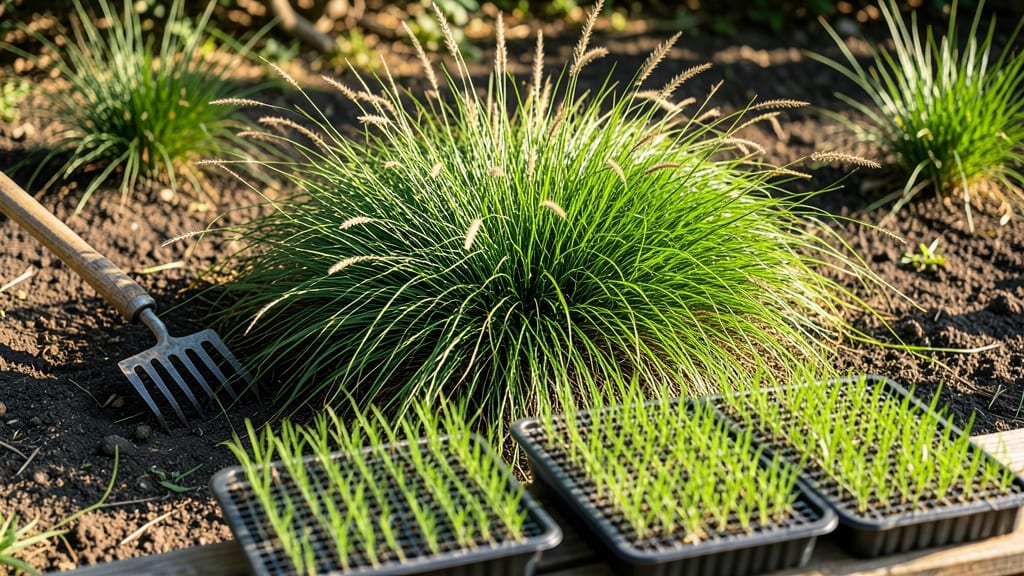
Planting Bermuda grass in Alabama at the right time ensures a fast, lush lawn that thrives in Heat Zone 8’s heat.
Struggling to get your Alabama lawn lush and green with Bermuda grass? Timing your planting right could mean the difference between a thriving turf and months of patchy, weak growth.
The key is waiting until soil temperatures hit 65°F—too early, and frost can kill new shoots; too late, and summer heat stresses seedlings.
Alabama’s 7a-8b climate gives you two prime windows: spring (March–May) and fall (August–September). Spring planting lets the grass establish roots before summer’s peak heat, while fall gives it a head start before winter dormancy. Both avoid the brutal mid-summer droughts that can stunt growth.
Below, I break down the exact months to plant, how to prep your soil, and regional tweaks for North vs. South Alabama—so you skip the guesswork and get a lawn that stays green all season.
Best planting windows for Alabama Bermuda grass by month (heat zone 8 guide)
Alabama's Heat Zone 8 climate creates two perfect windows to plant Bermuda grass: spring (April-May) and fall (August-September).
These months align with soil temperatures between 65°F-75°F, ideal for seed germination and root establishment. North Alabama may experience slightly cooler springs, while South Alabama extends the fall window into early October.
Timing matters because Bermuda grass is a warm-season grass that struggles when soil temperatures dip below 60°F or exceed 90°F for extended periods. Planting too early risks frost damage, while late planting can leave your lawn vulnerable to summer heat stress before roots establish.
Here's a quick reference for Alabama's two planting seasons with key temperature thresholds and regional adjustments:
| Planting Window | Ideal Soil Temp (°F) | North Alabama Adjustment | South Alabama Adjustment | Key Consideration |
|---|---|---|---|---|
| Spring (April-May) | 65°F-75°F | Wait until mid-May | Start in late March | Avoid late frost risk |
| Fall (August-September) | 70°F-80°F | Plant by early September | Extend to early October | Establish roots before winter |
| Avoid Planting | Below 60°F | Winter months (Dec-Feb) | Summer peak (June-July) | Seed won't germinate |
For spring planting, focus on April-May when daytime highs consistently reach 75°F+. In North Alabama, wait until after May 15 to avoid late frost damage, while South Alabama gardeners can start as early as late March in protected microclimates.
Test soil temperatures with a soil thermometer to confirm readiness.
My August-September fall window is equally critical. Planting in late summer gives Bermuda grass 6-8 weeks to establish roots before winter dormancy.
In South Alabama, you can extend this window into early October, but avoid planting after September 15 in North Alabama to prevent root stress from cooler nights.
Regional microclimates play a huge role. Urban areas like Birmingham may experience 5°F warmer soil temperatures than rural rural Huntsville, allowing earlier planting. Coastal regions near Mobile benefit from moderate humidity, reducing watering needs during establishment.
Pro tip: Use shade cloth during the first 2-3 weeks after planting to protect young seedlings from intense Alabama sun (up to 95°F soil temps in summer). This simple step can improve germination rates by 20-30% in hot months.
Remember that sod vs. seed affects timing slightly. Bermuda grass sod can be installed 2-4 weeks earlier than seed because it's already established. For seeds, wait until soil temps are consistently above 65°F for 5+ days to ensure proper germination.
Finally, monitor rainfall patterns. Alabama's summer thunderstorms can create ideal moisture conditions, while fall droughts may require supplemental watering. Aim for 1-1.5 inches of water weekly during establishment, always applying water in the early morning to prevent fungal issues.
By following these Heat Zone 8 guidelines, you'll give your Bermuda grass the best chance to thrive in Alabama's challenging climate. The key is patience—wait for the right temperatures, prepare your soil properly, and your lawn will reward you with dense, drought-resistant turf all season long. 🌱
How to prepare your Alabama lawn for Bermuda grass planting (step-by-step)
Preparing your Alabama lawn for Bermuda grass planting requires careful attention to soil conditions and environmental factors. Since Bermuda thrives in Heat Zone 8, your prep work sets the foundation for a lush, drought-resistant lawn.
Start by testing your soil pH—aim for a range of 6.0 to 6.5—since Bermuda grass prefers slightly acidic soil. If your soil is too alkaline, amend it with sulfur or peat moss to adjust the pH before planting.
Next, focus on weed eradication to prevent competition for nutrients and water. Bermuda grass spreads aggressively, but it can’t outcompete established weeds like crabgrass or clover. Use a pre-emergent herbicide 2-4 weeks before planting to block weed seeds, or manually remove weeds by hand if your lawn is small.
For stubborn weeds, consider a glyphosate-based herbicide applied 2 weeks before planting, followed by thorough tilling to incorporate any residue.
Before diving into the steps, remember: Bermuda grass needs full sun exposure (6+ hours daily) and well-draining soil. If your lawn has shaded areas, consider planting hybrid Bermuda varieties like Tifway 419 or TifGrand, which tolerate partial shade better than common Bermuda.
These hybrids also recover faster from foot traffic, making them ideal for high-use areas like yards with kids or pets.
Step-by-Step Prep for Bermuda Grass Planting
- 1 Test and Adjust Soil pH: Use a soil test kit to check pH. If below 6.0, add lime; if above 6.5, amend with sulfur. Aim for 6.0-6.5 pH for optimal Bermuda growth.
- 2 Clear the Lawn of Weeds: Apply pre-emergent herbicide 2-4 weeks before planting. For existing weeds, use glyphosate 2 weeks prior, then till the soil to 1-2 inches deep to remove debris.
- 3 Loosen and Level Soil: Use a rototiller to loosen soil to a depth of 4-6 inches. Rake the area to remove clumps and create a smooth, level surface for even seed distribution.
- 4 Set Up Irrigation: Install a drip irrigation system or soaker hoses to deliver 1-2 inches of water weekly. Bermuda grass needs consistent moisture, especially during the first 4-6 weeks after planting.
- 5 Choose the Right Seed: Select common Bermuda for general lawns or hybrid varieties (e.g., Tifway) for better drought resistance. Plant ½ pound of seed per 1,000 sq ft for optimal coverage.
- 6 Plant at the Right Time: In Alabama’s Heat Zone 8, plant Bermuda grass seeds in late April to early May or mid-August to early September. Avoid planting when soil temps exceed 85°F to prevent seed dormancy.
- 7 Fertilize Lightly: Apply a starter fertilizer (e.g., 16-4-8 NPK) at planting. Follow up with slow-release nitrogen every 4-6 weeks during the growing season to encourage deep root growth.
Once your lawn is prepped, Bermuda grass seeds should be planted when soil temperatures are 65°F or higher. Lightly rake the seeds into the soil to ensure good seed-to-soil contact, then cover them with a thin layer of compost (no more than ¼ inch) to retain moisture.
Water gently but thoroughly to avoid displacing the seeds, and keep the soil moist until germination, which typically occurs in 7-14 days under ideal conditions.
After germination, reduce watering to 1-1.5 inches per week to encourage deep root growth. Bermuda grass is drought-tolerant once established, but young seedlings need consistent moisture to prevent stress.
Avoid mowing until the grass reaches 3-4 inches tall, and never cut more than ⅓ of the blade height at a time to promote healthy growth.
With these steps, your Alabama lawn will be ready for a dense, green Bermuda grass cover that thrives in the heat and handles foot traffic like a pro. Just remember: patience is key—Bermuda grass may take 3-4 weeks to fully establish, but the results are worth the wait! 🌱