
Fertilization
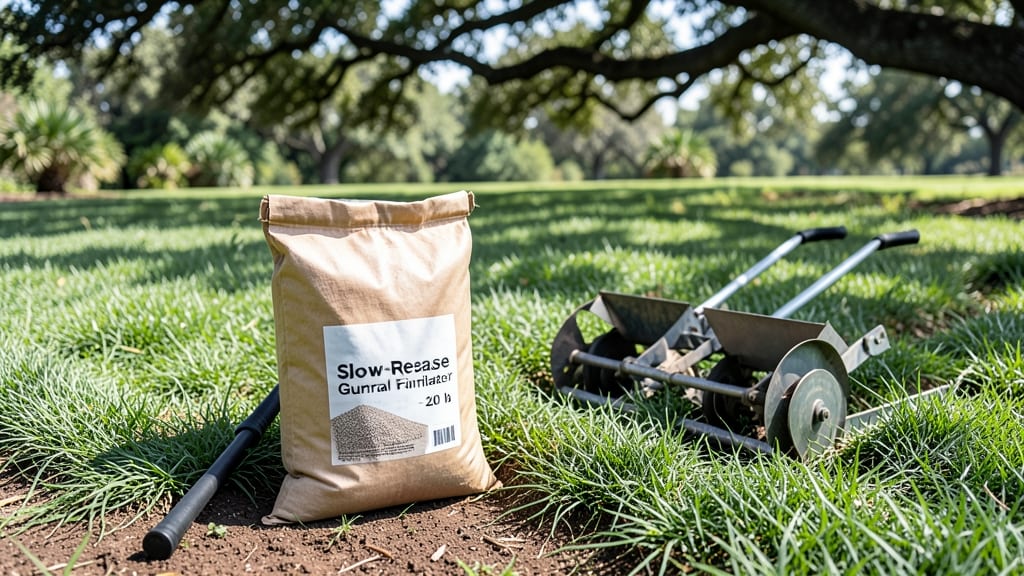
Fertilizing Bermuda grass in Georgia at the right time means the difference between a vibrant, drought-resistant lawn and one that struggles to stay green under the heat 🌱.
Georgia’s scorching summers and humid climate demand precision—or risk burning your lawn or wasting money on ineffective treatments. Timing is everything, and missing the window by even a few weeks can mean the difference between a lush, green lawn and patchy, struggling turf.
Most Georgia homeowners fertilize too late, after the grass has already slowed down from summer heat. But the key is feeding it just as it kicks into gear in early spring, then giving it light maintenance doses through the hottest months.
In this guide, I’ll break down the exact months to fertilize based on your region in Georgia, the best types of fertilizer for your Bermuda grass, and how to apply it without wasting a penny—or damaging your lawn.
Georgia’s Bermuda grass fertilization schedule by heat zone (with exact months)
Georgia’s 5 heat zones (A-E) create dramatic differences in Bermuda grass growth cycles, meaning your fertilization timing must adapt. Zone A (northwest) gets cooler springs, while Zone E (southwest) bakes early.
I’ll break down the exact months for each zone’s spring kickstart, summer maintenance, and fall recovery phases to avoid over- or under-feeding.
Bermuda grass thrives on high-nitrogen fertilizers like 16-4-8 or 15-0-15 blends, but timing is critical. Apply too early in cold zones, and you’ll waste fertilizer. Apply too late in hot zones, and your lawn will yellow from heat stress.
My schedule aligns with Georgia’s soil temperatures and rainfall patterns to maximize green-up without burning your turf.
Below is a heat-zone comparison showing when to apply starter fertilizer, pre-emergent, and high-nitrogen boosts. Pro tip: Always water deeply after fertilizing to prevent runoff in Georgia’s clay-heavy soils.
| Heat Zone | Spring Kickstart (March-April) | Summer Maintenance (May-July) | Fall Recovery (August-Sept) | Pre-Emergent Timing |
|---|---|---|---|---|
| Zone A (NW GA) | Late March (soil 65°F+) | June (light feed) | Early Sept (light feed) | Early April |
| Zone B (Central GA) | Early March (soil 60°F+) | May & July (high nitrogen) | Mid-Sept (light feed) | Mid-March |
| Zone C (Atlanta Area) | Mid-March (soil 62°F+) | May & June (high nitrogen) | Late Aug (light feed) | Late March |
| Zone D (South GA) | Late Feb (soil 65°F+) | April & June (high nitrogen) | Early Sept (light feed) | Early April |
| Zone E (SW GA) | Early March (soil 68°F+) | March & May (high nitrogen) | Mid-Aug (light feed) | Mid-March |
For Zone A (northwest Georgia), wait until late March to fertilize—soil stays cool longer. Apply a starter fertilizer with 15-0-15 to jumpstart growth, then follow up with high-nitrogen feeds in June to combat summer heat stress. Pre-emergent goes down in early April to block weeds before Bermuda wakes up.
In Zone B (central Georgia), where springs arrive earlier, start fertilizing by early March. Use a slow-release fertilizer like 16-4-8 to avoid burning tender new shoots. May and July are peak feeding months—pair these with deep watering to help roots absorb nutrients before Georgia’s 90°F+ afternoons.
Southern zones like Zone D and E demand earlier fertilization.
In Zone D (south Georgia), kick off the season in late February with a light feed, then boost growth in April and June. Zone E (southwest Georgia) is even hotter—fertilize in March and May to prevent heat shock.
Always apply pre-emergent in March to stop crabgrass before it takes hold.
My fall fertilization rule: Only apply a light feed in August or early September to encourage root growth before dormancy. Avoid fertilizing after mid-September, or you’ll risk late-season growth that weakens before winter. In Zone A, even a light feed can stress
Signs your Bermuda grass needs fertilizer (and when to avoid it)
Your Bermuda grass might be screaming for nutrients if you notice yellowing patches that don’t disappear after mowing. This chlorosis (yellowing) often signals nitrogen deficiency, especially common in Georgia’s clay-heavy soils that drain poorly.
But before reaching for fertilizer, rule out environmental stress like drought or heat shock—both mimic nutrient issues.
Slow growth is another red flag. If your lawn feels sponge-like underfoot or recovers sluggishly from foot traffic, it’s likely starved for nitrogen. Thin patches where weeds creep in?
That’s your grass weakening from poor nutrition. However, don’t confuse thin spots with dormancy—common in Georgia’s summer heat—which requires patience, not fertilizer.
⚠️ callout warning ⚠️
- During droughts: Fertilizer burns roots when soil is dry.
- After overseeding: New seeds need 4-6 weeks to establish.
- In extreme heat (>95°F): Stress increases risk of fertilizer burn.
- Winter months: Grass is dormant; nutrients won’t activate.
Georgia’s unpredictable rainfall makes timing critical. Always check soil moisture—if the top 2 inches are dry, wait to fertilize.
Georgia’s humid summers can also trick you into over-fertilizing. If your grass grows too fast after feeding, it’s likely overstimulated. This leads to thatch buildup and weak roots.
Instead, aim for balanced applications: 1 lb of 16-4-8 fertilizer per 100 sq ft every 6-8 weeks during active growth (March–September).
Pay attention to soil temperature. In Georgia, wait until soil reaches 65°F before fertilizing in spring. Use a soil thermometer—cold soil slows nutrient uptake. For summer feeds, apply slow-release fertilizer to avoid nitrogen runoff during sudden rainstorms, which are common in Georgia’s afternoon thunderstorms.
One often-overlooked sign? Purple or reddish hues in grass blades. This phosphorus deficiency (less common than nitrogen issues) responds to a 5-10-10 fertilizer. But first, test your soil—Georgia’s acidic soils (pH 5.5–6.5) may need lime before adjusting nutrients. Don’t guess—a $20 soil test saves money and stress.
Pro tip: After fertilizing, water deeply (1–1.5 inches) to activate nutrients. In Georgia, split applications into early morning feeds to avoid fungal growth from evening moisture. And if your grass turns brown at the tips post-fertilization? You’ve overdone it—flush the soil with water immediately to reduce damage.