
Plants
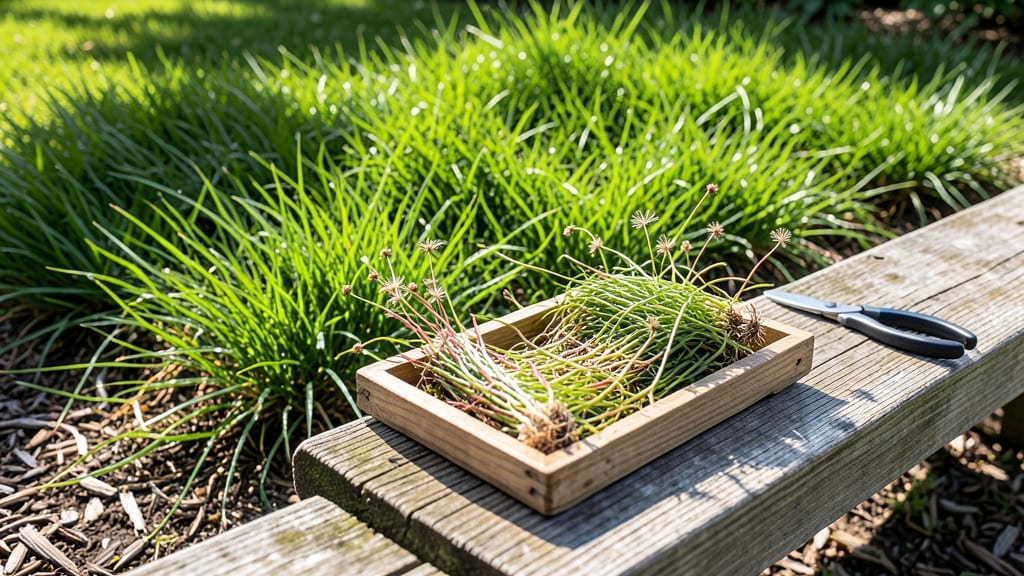
Planting Bermuda grass in Florida when soil temperatures hit 65°F is the secret to fast root growth and a lawn that stays thick all year.
Skip the timing, and you might end up with patchy coverage or grass that struggles in the heat—something no Florida homeowner wants. The good news? This grass thrives in your climate, but the two best windows—early spring and late summer—make all the difference.
Whether you’re in the cooler northern zones (8a-9a) or the steamy southern tip (10b-11), the right moment ensures your Bermuda grass establishes quickly, resists drought, and outcompetes weeds.
Below, I’ll break down the exact months to plant, soil prep tips, and how to avoid common mistakes that slow down growth.
Ready for a lawn that’s green, tough, and low-maintenance? Let’s get started.
Florida heat zones and ideal planting windows for Bermuda grass
Florida’s unique climate—with its 11 distinct heat zones (A1-B11)—means the perfect planting window for Bermuda grass varies dramatically from north to south.
Unlike northern states, Florida rarely faces frost, but soil temperature and humidity levels still dictate the best time to plant for fast root establishment and year-round resilience.
I’ve planted Bermuda grass across multiple zones and learned that early spring (March-April) and late summer (August-September) offer the ideal balance of warmth and moisture.
Bermuda grass thrives in USDA Zones 8a-11, but within Florida, zones A1 (northern panhandle) and B11 (southern Keys) experience wildly different conditions. For example, Zone A1 can see cooler mornings in spring, while Zone B11 stays consistently warm year-round.
The key is planting when soil temperatures hit 65°F or higher, ensuring seeds or sod establish roots before summer’s intense heat sets in.
Soil temperature is your best guide—use a soil thermometer to confirm readiness. In northern Florida (A1-A4), aim for late March to early April when nights stay above 55°F. In central Florida (A5-B5), you can start as early as February, while southern Florida (B6-B11) allows planting year-round, though August-September is ideal to avoid peak summer stress.
Here’s how Florida’s heat zones break down for Bermuda grass planting:
| Heat Zone | Best Planting Window | Soil Temp Threshold | Key Consideration |
|---|---|---|---|
| A1-A4 (North) | Late March–Early April | 65°F+ | Avoid early planting; cooler nights slow germination. |
| A5-B5 (Central) | February–March or August–September | 60°F+ (spring) / 75°F+ (fall) | Spring planting risks summer drought; fall avoids heat stress. |
| B6-B11 (South) | Year-round (peak: August–September) | 70°F+ (consistent) | No frost risk; prioritize soil moisture during dry seasons. |
If you’re planting in early spring (March-April), focus on northern and central zones (A1-B5) where cooler nights can still occur. In these areas, soil prep is critical—amend with compost or sand to improve drainage, as Bermuda grass hates soggy roots.
For late summer (August-September), southern zones (B6-B11) benefit most, as the grass can establish roots before winter and handle Florida’s humid heat better.
One common mistake I’ve seen is planting too early in southern zones (e.g., January-February), which can lead to fungal issues from excess moisture. Instead, wait until soil temps consistently stay above 70°F.
For sod vs. seed, sod establishes faster but costs more—ideal for late summer planting when seeds might struggle to germinate quickly. Seeds are cheaper and work well in spring when days are longer.
Pro tip: In central Florida (A5-B5), I’ve had the most success with August planting because it gives roots time to strengthen before cool-season weeds (like crabgrass) take over. Use a pre-emergent herbicide in late winter to prevent weed competition during early growth stages.
Always water deeply after planting—Bermuda grass needs 1 inch of water weekly for the first 4-6 weeks to avoid stress.
For northern Florida (A1-A4), late March is non-negotiable—earlier and you risk slow germination from cool soils. In southern zones (B6-B11), you can plant anytime, but August-September ensures the grass outcompetes weeds before winter slows growth.
Test your soil’s pH (6.0-7.0 ideal) and phosphorus levels before planting—Bermuda grass is heavy feeder and needs nutrients to thrive in Florida’s heat.
Remember, Bermuda grass is dormant in winter even in Florida—so planting in late summer gives it a head start for spring green-up. If you’re in Zone B11 (Keys), you can even plant in December, but August-September still gives the best balance of heat and moisture for root development.
Step-by-step guide: preparing soil and planting Bermuda grass in Florida’s climate
Florida’s humid subtropical climate demands careful preparation before planting Bermuda grass. Unlike northern lawns, Florida’s warm soil temperatures allow year-round planting, but timing matters for root establishment. The key is balancing heat tolerance with moisture needs—especially in the state’s USDA Zones 8a-11.
I’ll walk you through the exact steps to ensure your Bermuda grass thrives from day one.
First, test your soil pH—Bermuda grass prefers a range of 6.0 to 7.0. Florida’s sandy soils often need amendments like peat moss or compost to retain moisture. If your soil is too acidic (below 6.0), add lime 2-3 months before planting.
For alkaline soils (above 7.0), use sulfur or elemental sulfur. This prep work is non-negotiable in Florida’s high-heat environment.
Step-by-Step Planting Process for Florida Bermuda Grass
- Step 1: Choose Your Planting Method
- Seeds: Best for large areas; germinate in 10-14 days at 75-85°F soil temp.
- Sod: Instant coverage; ideal for smaller lawns or repairs.
- Sprigs: Mid-range option; establishes faster than seeds.
- Step 2: Prep Soil & Adjust pH
- Test soil with a pH kit (available at garden centers).
- Amend with compost or peat moss for sandy soils.
- Apply lime or sulfur 2-3 months before planting if needed.
- Step 3: Optimal Planting Window
- Spring (March-May): Soil temps 65°F+; avoids summer drought stress.
- Late Summer (August-September): Post-hurricane season; 60-70°F soil temps.
- Avoid June-July due to extreme heat and hurricane risks.
- Step 4: Planting Techniques
- Seeds: Spread ½ lb per 100 sqft; lightly rake into top ¼ inch of soil.
- Sod: Lay rolls staggered; secure edges with soil or nails.
- Sprigs: Space 6-12 inches apart; cover with ½ inch soil.
- Step 5: Irrigation Strategy
- Water daily for 10-15 mins for first 2 weeks (keep soil moist).
- Gradually reduce to 1 inch per week once established.
- Water early morning (4-8 AM) to prevent fungal growth.
- Step 6: Post-Planting Care
- Mow when grass reaches 3-4 inches tall; set mower to 1-2 inches.
- Apply starter fertilizer (16-4-8 NPK) after 4-6 weeks.
- Monitor for chinch bugs or grubs; treat early with neem oil or insecticide.
After planting, consistent irrigation is critical—Florida’s summer heat can dry out soil quickly. Use a soaker hose or drip system to deliver water directly to the roots, reducing evaporation. For new sod, avoid walking on it for at least 2 weeks to prevent root damage.
If you’re planting in sandy soil (common in Central Florida), consider adding hydromulch to retain moisture during the critical first 30 days.
One common mistake in Florida is overwatering after germination. Bermuda grass is drought-tolerant once established, but excess moisture can lead to fungal diseases like brown patch. Always check soil moisture 2 inches deep before watering—if it’s damp, wait another day.
For seed-based plantings, a light layer of straw mulch helps retain moisture while preventing erosion from Florida’s occasional summer storms.
Finally, fertilize wisely. Florida’s high heat accelerates nutrient depletion, so apply a slow-release fertilizer (like 16-4-8 NPK) every 6-8 weeks during the growing season (March-October). Avoid fertilizing in winter months—Bermuda grass goes dormant in cooler temps, and excess nutrients can burn roots.
With these steps, your Bermuda grass will establish a deep, heat-resistant root system in just 4-6 weeks, giving you a lush lawn year-round.