
Plants
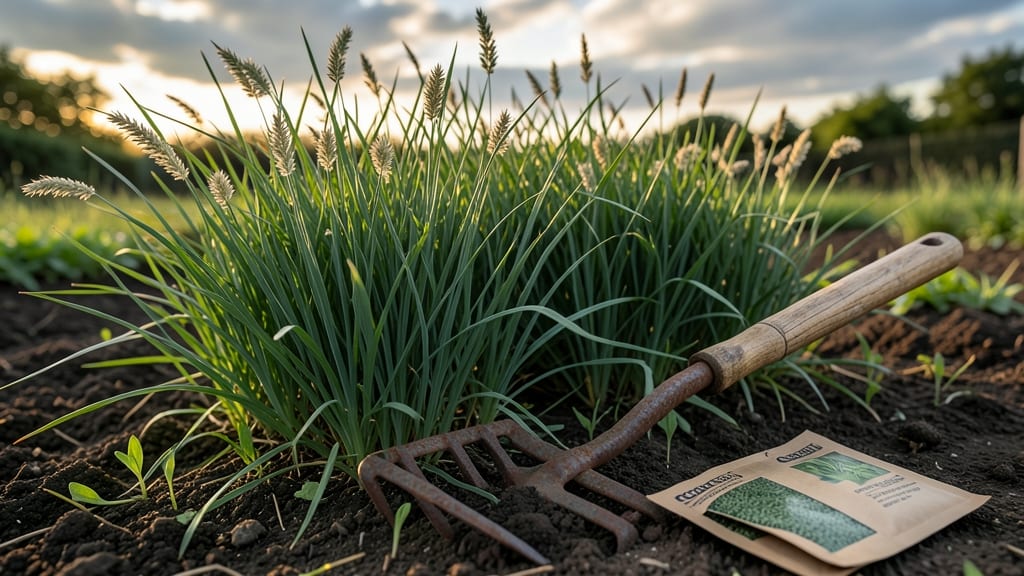
Planting grass seeds in Texas at the right time means the difference between a lush, green lawn and a wasted seed packet baking in the sun.
If you’ve ever watched your freshly planted grass seeds turn to dust under 100°F heat, you know the stakes. Texas’ brutal summers and unpredictable rains make timing everything—especially when cool-season and warm-season grasses have opposite needs.
Below, I break down the perfect planting windows by region, soil prep secrets to beat Texas’ alkaline soil, and how to outsmart drought before it kills your new lawn.
You’ll learn exactly when to plant—whether you’re in Zone 8a’s cooler hills or Zone 10b’s relentless sun—and how to keep your grass alive through the first critical weeks.
Texas heat zone map: best planting months by region (avoid these deadly mistakes)
Texas isn’t one-size-fits-all when it comes to planting grass seeds—its 11 distinct heat zones create wildly different conditions from the Panhandle’s chilly winters to the Rio Grande Valley’s year-round heat. Planting at the wrong time means battling scorching sun, drought stress, or fungal diseases from overwatering.
I’ve mapped out the optimal planting windows for each zone to ensure your grass thrives, not struggles.
Summer planting is a guaranteed failure in most of Texas. When daytime temperatures hit 90°F+, grass seeds bake in the soil before germinating, and seedlings wilt within hours of exposure. Even cool-season grasses like Tall Fescue and Ryegrass need soil temps below 85°F to survive.
The key? Plant when soil temperatures hover between 60-75°F—this gives seeds the consistent moisture and gentle warmth they need to root deeply.
Here’s the critical rule for Texas lawn success: Fall planting wins every time. Why? Cooler air, warmer soil (but not scorching), and steady rainfall create perfect conditions.
Spring planting is second-best, but timing is everything—plant too early, and frost zaps seedlings; too late, and summer drought turns your lawn into crispy straw.
Let’s break it down by Texas heat zones. Each zone has unique frost dates and temperature thresholds that dictate when to plant. Use this heat zone map to pick your ideal planting window—whether you’re in Zone 8a (Panhandle) or Zone 10b (South Texas).
⚠️ Deadly Mistake #1: Ignoring soil temperature. Many gardeners focus on air temperature, but soil temp is what kills seeds. Use a soil thermometer—plant only when readings are 60-75°F at 4 inches deep. In North Texas (Zone 8a), this means September 15-October 15 for fall planting. In South Texas (Zone 10b), aim for August 1-September 15 to avoid 100°F+ soil.
⚠️ Deadly Mistake #2: Planting warm-season grass in spring. Bermuda, Zoysia, and St. Augustine love heat, but spring planting means they bolt to seed before establishing roots. Instead, plant warm-season grasses in late spring (May-June) when soil temps exceed 75°F. Cool-season grasses like Fescue should go in fall (September-October) to avoid summer dormancy.
⚠️ Deadly Mistake #3: Skipping pre-planting irrigation. Texas’ clay-heavy soils dry out fast. Before planting, water deeply for 2-3 days to raise soil moisture levels. Then, keep the top 2 inches of soil damp (not soggy) until germination. A light misting twice daily beats deep, infrequent watering for new seeds.
⚠️ Deadly Mistake #4: Using the wrong grass type. Bermuda grass in North Texas? It’ll brown and die in winter. St. Augustine in the Panhandle? It’ll wilt from heat stress. Match your grass type to your zone—Tall Fescue for North/Central, Bermuda/Zoysia for East/Central, and Buffalo Grass for West/South.
Now, let’s dive into the heat zone map with exact planting windows, soil temp thresholds, and grass type recommendations for each region.
Fall vs. spring planting in Texas: which offers faster, healthier grass growth?
Texas gardeners often debate whether fall or spring planting yields the best results for grass seeds. The truth? Fall planting wins in Texas’ climate, but spring has its niche advantages. Let’s break down why timing matters so much for your lawn’s success.
The key difference lies in soil temperatures. Grass seeds thrive when soil stays between 60°F and 75°F. In Texas, spring soil warms too quickly, stressing young seedlings. Fall, however, offers cooler temps and consistent moisture—perfect for germination.
Fall Planting vs. Spring Planting
Fall Planting
- ✅ Optimal soil temps (60-75°F)
- ✅ Less competition from weeds
- ✅ Consistent rainfall in many regions
- ✅ Stronger root growth before winter
Spring Planting
- ⚠️ Rapid soil warming can stress seeds
- ⚠️ Weed competition increases
- ⚠️ Drought risk rises in late spring
- ✅ Longer growing season for established grass
For cool-season grasses like Tifway 419 Bermuda or Tahoma 31, fall planting is ideal. These varieties establish roots before winter, then explode in growth when spring arrives. Spring planting works better for warm-season grasses like St. Augustine, but even then, timing is critical.
Texas’ unpredictable weather makes spring planting risky. A sudden heatwave can bake seeds before they sprout, while fall’s steady rains provide natural irrigation. Even in South Texas, where winters are mild, September planting gives seeds a 6-8 week head start before summer’s intensity.
Watering strategies also differ. Fall-planted grass needs less frequent watering as natural rainfall increases. Spring-planted lawns, however, demand daily watering to combat evaporation. Use a rain gauge to track moisture—Texas’ clay soils retain water, but seeds still need consistent dampness.
My recommendation? Plant in fall for healthier, faster-growing grass. If you must plant in spring, do it early (March-April) and shade seeds until germination. Texas’ climate rewards patience—choose the season that aligns with nature’s rhythm, not your schedule. 🌱