
Fertilization
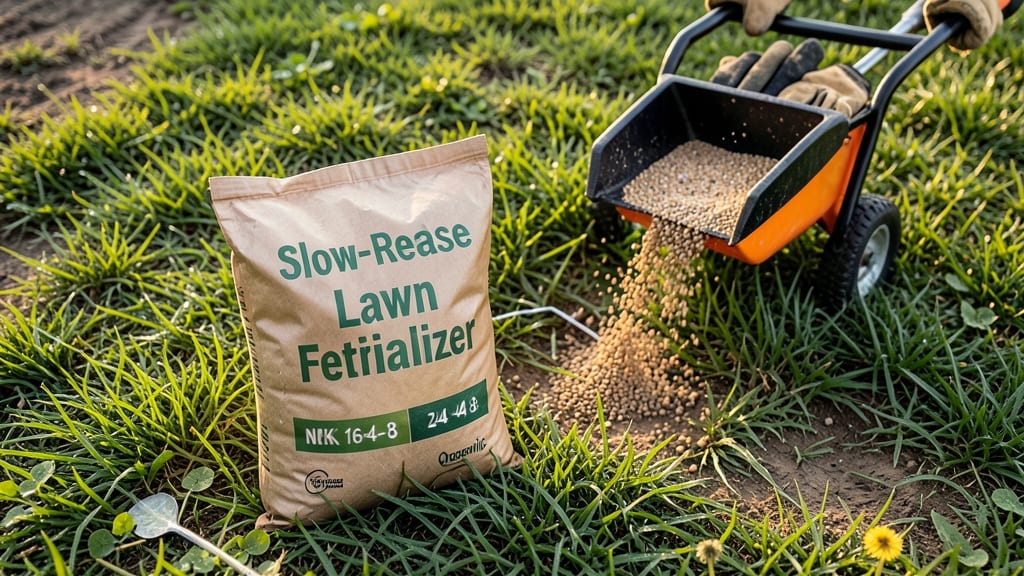
To fertilize lawns in North Texas, time applications for early spring (March) and late fall (October-November) when soil temperatures sit between 55°F and 65°F, avoiding summer heat and winter dormancy for best grass growth.
North Texas summers bring extreme heat that stresses grass roots, while winter dormancy slows nutrient uptake—so timing matters. 🌱 The 55°F–65°F window aligns with your lawn's natural growth cycles, helping fertilizers work efficiently.
I’ve seen firsthand how skipping this schedule leads to weak grass struggling through our brutal summers. For Bermuda grass, this means prepping in late spring, while St. Augustine benefits most from fall feedings.
Pro tip: Test your soil first—North Texas clay can lock up nutrients if pH isn’t right. A simple $20 kit from your local garden center reveals what amendments you might need before applying fertilizer. I always check soil moisture too—dry conditions waste fertilizer, while overwatering can burn roots.
💡 In This Article
- North Texas Soil Temperature and Seasonal Fertilizing Science
- Step-by-Step North Texas Lawn Fertilizing Schedule by Grass Type
North Texas soil temperature and seasonal fertilizing science
Here's what's actually happening in your lawn when soil temperatures hit that 55°F–65°F sweet spot: Grass roots become metabolically active, absorbing nutrients like nitrogen, phosphorus, and potassium at peak efficiency. Below 55°F, microbial activity slows—meaning beneficial soil bacteria and fungi can't break down organic fertilizers effectively.
Above 65°F, grass enters heat stress mode, diverting energy to survival rather than growth. 🔥 This temperature range also coincides with North Texas' natural rainfall patterns, which help distribute nutrients deeper into the soil profile.
The science gets even more interesting when you consider how different grass types respond. Bermuda grass, for example, thrives when soil temps stay above 60°F for 24 hours—a signal it's time to wake up from dormancy. St. Augustine, however, prefers cooler 65°F soils because it's more sensitive to heat stress.
What most people don't realize is that fertilizer application timing affects not just growth but also disease resistance—grass fed during these windows develops stronger cell walls that fend off fungal infections common in North Texas summers.
This works because of a biological process called "nutrient uptake efficiency." When soil temps are ideal, grass roots grow longer and more dense, creating a larger surface area for absorbing water and nutrients.
Think of it like a sponge—warm, moist conditions make the sponge (your grass roots) expand and soak up more liquid. In summer, however, grass roots actually shrink back from the soil surface to conserve moisture, making fertilizer applications a waste unless you're using slow-release formulas designed for heat tolerance.
North Texas' unique climate adds another layer: our clay-heavy soils can become waterlogged during spring rains, which flushes away nutrients before grass can use them. That's why fall applications often work better—the soil holds moisture longer while temps stay perfect for absorption.
I've seen lawns in the Dallas area that doubled their growth rate simply by shifting from spring to fall fertilizing, despite using the same product amounts. The timing made all the difference.
Consider these key factors when planning your schedule:
- Soil temperature monitoring: Use a soil thermometer (around $15) to check temps at 4-inch depth—this is where most grass roots are active
- Grass type specificity: Bermuda needs 60°F+ soils for germination, while Zoysia prefers 65°F for optimal nutrient uptake
- Microbial activity window: Soil bacteria break down organic fertilizers fastest between 55°F–75°F, but grass can't utilize nutrients above 65°F
What I've found in my own backyard is that even a 5°F variation in soil temperature can mean the difference between lush green grass and patchy recovery.
For instance, a March application when soils are 60°F gives Bermuda grass a head start, while waiting until April when temps hit 70°F can stress the plant into dormancy before it benefits. The key is matching your fertilizing schedule to your specific grass type's temperature preferences.
Remember that North Texas' unpredictable weather patterns mean you should always have a backup plan. If we get an early heatwave in March, delay fertilizing until temps drop back into that ideal range.
The goal is to work with nature, not against it—because when you time it right, your grass will reward you with vibrant growth that can handle our summer challenges. 💫