
Plants
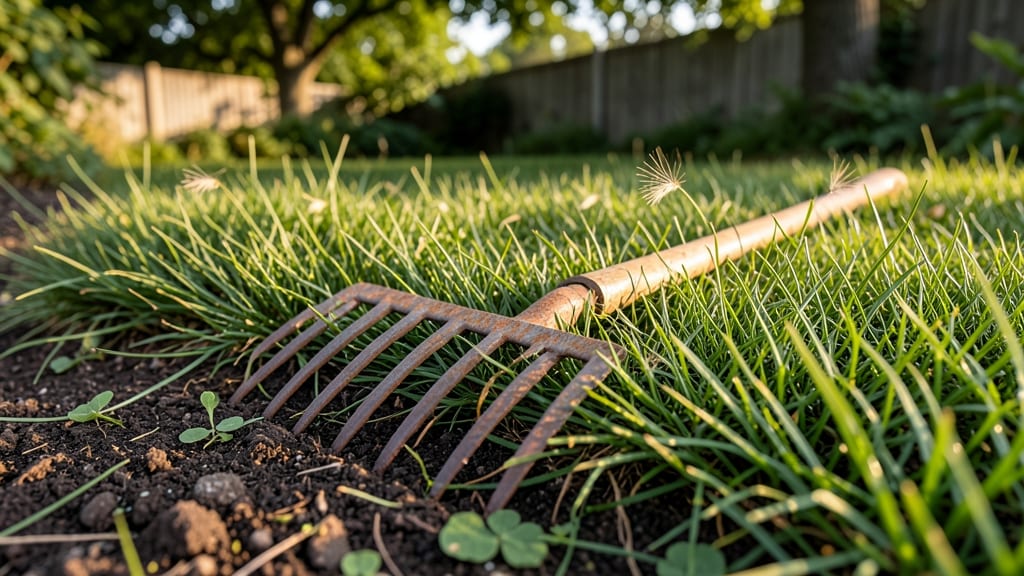
You can plant grass seed in October in many regions, particularly where cooler temperatures create ideal conditions for fall overseeding. Select fast-sprouting seed blends, enrich the soil with compost, and maintain consistent moisture to help roots develop before winter dormancy.
Fall planting works best because cooler temperatures reduce stress on young grass while allowing seeds to germinate before the ground freezes. 🌱 The key is timing—aim for planting 4-6 weeks before your region's first hard frost, typically between mid-September and early October.
I've found that regions like the Northern U.S., Canada, and high-altitude zones benefit most from this approach, as the soil stays workable longer. For example, Kentucky bluegrass and fine fescue varieties often thrive when sown in fall, offering lush growth come spring.
Proper soil prep makes all the difference. Start by aerating compacted areas, then mix in 2-3 inches of compost to improve drainage and nutrient availability. After sowing, water deeply twice daily for the first 2 weeks, then taper to 1-1.5 inches per week once germination occurs.
A light layer of straw mulch can protect seedlings from temperature swings and erosion during winter.
💡 In This Article
- Best Regions and Climate Conditions for October Grass Seed Planting
- Step-by-Step Soil Preparation and Aftercare for Fall Grass Seed
Best regions and climate conditions for October grass seed planting
Fall planting thrives when daytime temperatures hover between 40°F and 65°F, creating the perfect balance for seed germination without stressing young grass. This range allows seeds to absorb moisture and sprout while avoiding the heat shock that summer planting often triggers.
Regions like the Northern U.S. (Zones 3-6), Canada (Zones 2-5), and high-altitude areas benefit most, as their cooler autumns align perfectly with these conditions. For instance, Seattle's mild fall (average highs of 60°F) makes October ideal for overseeding lawns.
The critical factor is frost timing—plant 4-6 weeks before your region's first hard frost (below 20°F). In the Midwest, this typically means seeding by mid-October, while Pacific Northwest regions can extend planting until early November.
What's fascinating is how frost actually helps: a light freeze (28-32°F) can harden seedlings, making them more resilient for winter. However, prolonged freezing before germination (below 32°F) will kill seeds entirely, so check your local frost dates.
Soil temperature plays a hidden role too. Grass seeds germinate best when soil stays above 50°F for at least 5 days straight. In cooler climates, this means waiting until late September or early October when soil warmth lingers from summer.
A simple soil thermometer (inserted 4 inches deep) reveals the truth—many gardeners assume soil is cold when it's actually still warm enough. I've seen 10°F differences between air and soil temps in fall, which can mean the difference between success and failure.
Regional microclimates add another layer. Coastal areas often have milder falls due to ocean influence, while inland zones cool faster. For example, San Francisco's 65°F October days contrast sharply with inland Sacramento's 75°F days—meaning coastal planting can extend weeks longer.
High-altitude zones (like Denver at 5,280 feet) cool more rapidly, so planting should start by mid-September there. Always verify your specific zone's frost dates and historical temperature patterns for the most accurate timing.
What most people overlook is how daylight length affects grass growth. Shorter autumn days reduce photosynthesis in young seedlings, which is why fall planting focuses on establishing roots rather than rapid top growth.
The grass will go dormant as temperatures drop, but those roots will be ready to burst in spring when conditions improve. This dormancy strategy is why fall overseeding often yields 30-50% thicker lawns than spring planting, where seeds compete with weeds for sunlight and water.
Consider these regional success stories: In Minnesota, cool-season grasses like tall fescue thrive when planted in early October, while Southern states (Zones 7-9) should avoid fall planting entirely—summer heat would stress seedlings, and winter rains cause erosion.
The North-South divide at Zone 6 serves as a natural boundary for optimal October planting. Always choose seed blends labeled "fall overseeding" for your specific climate zone to maximize success.