I’ve always had a green thumb—whether it was sneaking seeds from my grandmother’s garden as a kid or turning my apartment balcony into a jungle of herbs and flowers. This site started as a way to share the simple, rewarding joy of growing things, from fixing a patchy lawn to coaxing life from stubborn seeds. My approach is hands-on and honest: no fancy jargon, just practical tips and the occasional story about what’s worked (and what hasn’t) in my own backyard.
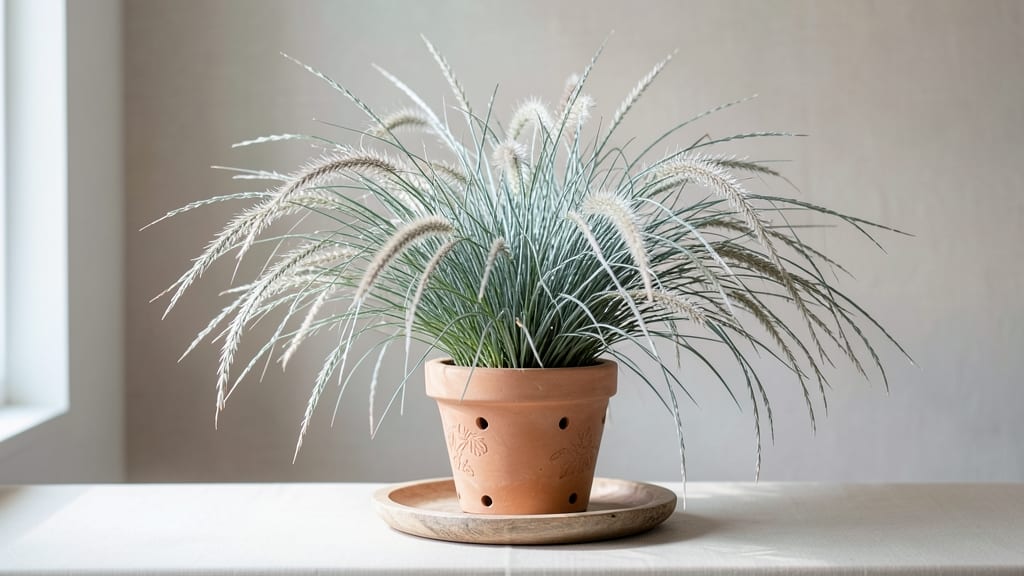
Indoor ornamental grasses bring the garden indoors with their whispering movement and architectural beauty. 🌿 I’ve transformed my living room into a serene tropical retreat using just three varieties—each chosen for…
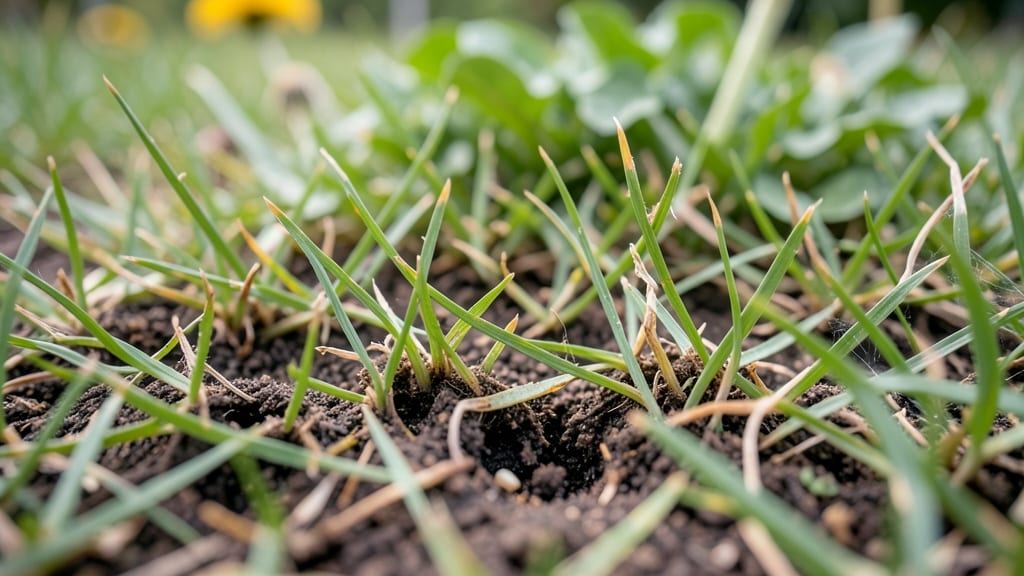
Your lawn looks like a golf course after a putting contest—those tiny holes aren’t just from stray golf balls. 🌱 Insect holes in lawn usually mean grubs, mole crickets, or chinch bugs are feasting on your grass roots…
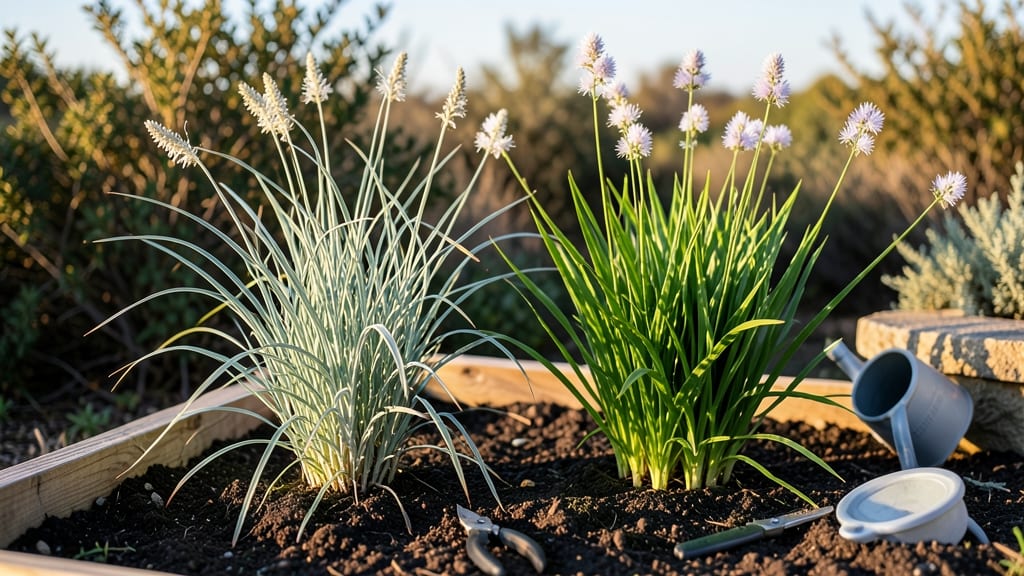
Citronella and lemongrass share the same genus but aren't the same plant—one repels mosquitoes while the other flavors Thai curry. 🌿 I’ve grown both in my backyard, and though they look similar, their uses and care…
💥 Quick Answer Grass fertilizer can be toxic to pets and children if ingested or inhaled, particularly when it contains high levels of synthetic nitrogen compounds or iron sulfate. While organic options are generally…
💥 Quick Answer Karley Rose fountain grass is not considered invasive in most regions, though it can spread aggressively in warm climates if left unchecked. Its clumping growth habit and sterile seedheads reduce wild…
💥 Quick Answer Lawn algae isn't dangerous to humans in most cases, but it can create slippery surfaces, damage irrigation systems, and indicate unhealthy lawn conditions. While some types may cause mild skin irritation…
💥 Quick Answer Lawn food isn't the same as fertilizer—it's a specialized blend designed for gradual nutrient release, often packed with extras like weed preventers and soil enhancers, while standard fertilizer delivers…
💥 Quick Answer Lemon grass is invasive in tropical and subtropical climates, spreading aggressively through underground rhizomes and self-seeding. It outcompetes native plants and thrives in warm, moist conditions…
💥 Quick Answer Lemongrass is not safe for pets—it contains citral and other compounds toxic to cats, dogs, and small animals, causing vomiting, lethargy, or even organ damage. Avoid exposure and opt for pet-safe…
💥 Quick Answer Mondo grass is not toxic to dogs according to ASPCA and pet safety experts, but its sharp leaf edges can cause mouth irritation or minor cuts if ingested in large amounts. Supervise pets near dense…