
Planting
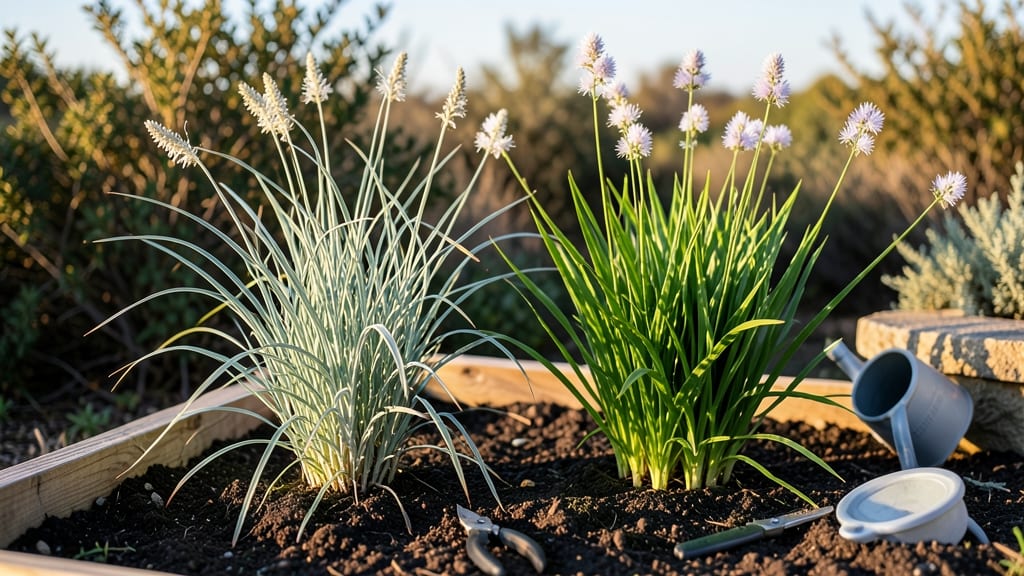
Citronella and lemongrass share the same genus but aren't the same plant—one repels mosquitoes while the other flavors Thai curry. 🌿 I’ve grown both in my backyard, and though they look similar, their uses and care needs couldn’t be more different.
Citronella (Cymbopogon nardus) thrives as a pest-deterrent hedge, while lemongrass (Cymbopogon citratus) is the star of stir-fries and infusions. The confusion comes from their grassy, lemony scent and similar leaf shapes, but their growth habits and purposes diverge sharply.
Citronella grows 3-6 feet tall with stiff, upright stems and a stronger, more pungent aroma—perfect for crushing leaves to release mosquito-repelling oils. Lemongrass, on the other hand, stays 2-4 feet tall, has a softer texture, and its leaves are hollow and more tender.
Both love full sun and well-draining soil, but citronella tolerates drier conditions, while lemongrass prefers consistent moisture. The key difference? Citronella’s leaves are narrower and more rigid, while lemongrass leaves are broader and slightly curved.
You’ll use them differently too: citronella’s oils are your outdoor defense, while lemongrass’s stalks and leaves are your kitchen staples. Citronella’s scent lingers longer in the air, making it ideal for patios, while lemongrass’s flavor fades when dried—so harvest fresh for cooking.
Both multiply quickly from divisions, but citronella spreads wider, while lemongrass clumps tighter. For a garden that does double duty—repelling pests and seasoning meals—plant them side by side and watch them thrive.
Here’s the quick way to tell them apart: snap a stem. Citronella’s leaves crunch sharply when bent, while lemongrass’s bend easily with a slight give. Now you’ll never mix them up again—whether you’re reaching for a mosquito-repelling bundle or a curry ingredient.
Both are hardy in zones 9-11, but with a little care, you can grow them in pots in cooler climates too.
The first product explained
Meet Citronella Grass (Cymbopogon nardus)—your go-to natural mosquito repellent and aromatic powerhouse! 🌿✨ While it shares similarities with lemongrass, this fast-growing perennial plant is specifically cultivated for its potent citronella oil, which is a staple in eco-friendly pest control. Whether you're a gardener, DIY enthusiast, or just someone who loves fresh, zesty scents, this plant is a must-have for your outdoor space.
📏 Key Specs & Features
- Type: Tall, clumping grass (reaches 3–6 feet tall)
- Growth Habit: Forms dense clumps; spreads via rhizomes (non-invasive if managed)
- Hardiness: Thrives in USDA Zones 9–11; may die back in colder climates but regrows from roots
- Sunlight: Full sun (6+ hours daily) for optimal oil production
- Soil: Well-draining, slightly acidic to neutral (pH 5.5–7.0)
- Watering: Moderate; drought-tolerant once established
- Harvest Time: 60–90 days after planting (leaves and stems for oil extraction)
🎯 Who’s It For?
Citronella grass is perfect for:
- 🏡 Home gardeners looking to repel mosquitoes naturally
- 🌿 Essential oil enthusiasts who want to extract their own citronella oil
- 🍃 Organic farmers using it as a companion plant or pest deterrent
- 🌱 Beginner-friendly—easy to grow from seeds or cuttings
💰 Price Point & Where to Buy
Citronella grass is budget-friendly and widely available:
| Form | Price Range (USD) | Where to Find |
|---|---|---|
| Seeds (packet) | $3–$8 | Amazon, Etsy, local nurseries |
| Live plants (4–6" pots) | $8–$15 each | Home Depot, Lowe’s, specialty plant shops |
| Citronella oil (100% pure, 1 oz) | $8–$15 | Health food stores, online retailers |
Pro Tip: 💡 Buy seeds in bulk if you’re planting multiple rows—citronella grows quickly and can be harvested multiple times per season!
The second product explained
Meet Lemongrass (Cymbopogon citratus)—the zesty, aromatic superstar of gardens and kitchens! While it might share some similarities with citronella, lemongrass is a unique plant with its own charm, uses, and care requirements. Let’s dive into what makes this citrusy powerhouse stand out.
🌿 Specs & Features
Lemongrass is a tall, clumping grass (yes, it’s technically a grass!) that grows 3 to 6 feet tall, with slender, sword-like leaves that release a bright, citrusy fragrance when crushed. Here’s what sets it apart:
- Growth Habit: Perennial in tropical/subtropical climates (zones 9-11); often grown as an annual in cooler regions.
- Light Needs: Thrives in full sun (6+ hours/day) but tolerates partial shade.
- Soil Preference: Well-draining, slightly acidic to neutral soil (pH 5.5–7.0). Avoid soggy roots!
- Watering: Keep soil consistently moist but not waterlogged. Drought-tolerant once established.
- Hardiness: Sensitive to frost (below 20°F/-7°C can kill it). Perfect for warm climates!
- Harvesting: Cut stalks at the base when leaves are fully developed (typically 6–12 months after planting).
👩🍳 Target Users
Lemongrass is a versatile plant loved by:
- Home Cooks & Chefs: Essential in Thai, Vietnamese, and Caribbean cuisines (think curries, soups, and teas!).
- DIYers & Natural Remedies Enthusiasts: Used in homemade cleaning products, insect repellents, and aromatherapy.
- Gardeners in Warm Climates: Low-maintenance and drought-resistant once established.
- Aromatherapy Lovers: Its citrusy scent is refreshing and uplifting—great for diffusers or potpourri.
💰 Price Point & Availability
Lemongrass is affordable and widely available, making it a great choice for beginners and pros alike:
- Seeds: $2–$5 per packet (slower to grow; may take months to mature).
- Young Plants: $3–$8 per stalk or small pot (faster growth; ready to harvest in 6–12 months).
- Fresh Bundles: $1–$3 per bunch at grocery stores or Asian markets (best for immediate use).
- Dried Lemongrass: $4–$10 per pack (convenient for cooking but lacks fresh potency).
Pro Tip: 💡 Buy organic or pesticide-free if you plan to use it in cooking or DIY projects—you’ll avoid unwanted chemicals in your dishes!
Head-to-head comparison
Now that we’ve explored the unique characteristics of citronella plants and lemongrass, let’s dive into a detailed side-by-side comparison to help you decide which one suits your needs—whether for gardening, cooking, or pest control! 🌿🔍
🌱 Botanical Classification & Appearance
While both plants share a citrusy aroma, their botanical families and physical traits set them apart:
- Citronella Plant:
- Belongs to the Poaceae (grass) family, specifically the Cymbopogon genus.
- Grows as a tall, clumping grass (2–6 feet tall) with slender, arching stems.
- Leaves are narrow, blade-like, and bright green, emitting a strong lemony-citrus scent when crushed.
- Flowers are small, plume-like, and pale, though they’re rarely seen in cultivated varieties.
- Lemongrass:
- Also part of the Poaceae family but is classified under Cymbopogon citratus (a specific species).
- Grows as a tropical perennial grass (3–5 feet tall) with thick, cylindrical stalks.
- Leaves are long, flat, and sword-shaped, with a more intense lemon-citrus fragrance than citronella.
- Produces small, purplish-brown flower clusters on tall stalks (if left to bloom).
Key Takeaway: Citronella is a broader category that includes lemongrass, but lemongrass is a specific type of citronella with distinct leaf shape and scent intensity. 🌟
🌿 Growth Habits & Care Requirements
Both plants thrive in warm climates, but their care needs differ slightly:
| Factor | Citronella Plant | Lemongrass |
|---|---|---|
| Climate | Prefers tropical/subtropical zones (USDA 9–11). Dies back in frost. | Thrives in warm, humid climates (USDA 10–11). More sensitive to cold. |
| Sunlight | Full sun (6+ hours/day) for best oil production. | Partial shade (4–6 hours/day) in hotter regions to prevent leaf scorch. |
| Soil | Adaptable but prefers well-draining, sandy soil with pH 6.0–7.5. | Needs rich, moist, slightly acidic soil (pH 5.5–6.5). |
| Watering | Moderate watering; drought-tolerant once established. | Consistent moisture; wilts easily if soil dries out. |
| Propagation | Grown from seeds or divisions (slower germination). | Easily propagated from stalks or cuttings (roots in water quickly!). |
Pro Tip: 💡 If you live in a cooler climate, grow lemongrass in containers and bring it indoors during winter. Citronella can handle slightly cooler temps but may become leggy.
🛡️ Pest-Repellent Efficacy
Both plants are powerhouses for keeping bugs at bay, but their strengths vary:
- Citronella Plant:
- Primary use: Mosquito repellent (especially in outdoor candles, oils, and sprays).
- Effective against mosquitoes, flies, and ants due to its high citronellal content (30–40%).
- Works best when crushed or burned (e.g., citronella torches).
- Limitation: Less effective against ticks or spiders compared to lemongrass.
- Lemongrass:
- Broad-spectrum repellent for mosquitoes, gnats, fleas, and even rodents.
- Contains citral (geranial + neral), which is more potent than citronellal.
- Can be used in homemade sprays, sachets, or infused oils.
- Bonus: The stalks can be hung in closets to repel moths!
Winner for Pest Control: Lemongrass edges out citronella for its versatility and stronger scent. However, citronella is the gold standard for citronella-based products (like candles).
🍋 Culinary & Medicinal Uses
Both plants add zing to dishes and offer health benefits, but their roles differ:
| Use | Citronella Plant | Lemongrass | |||||||
|---|---|---|---|---|---|---|---|---|---|
| Primary Culinary Role | Rarely used in cooking; mostly ornamental or for oil extraction. | Staple in Thai, Vietnamese, and Caribbean cuisine (e.g., soups, curries, teas). | |||||||
| Flavor Profile | Milder, sweet-lemony with a hint of ginger. | Bold, tangy, and slightly bitter with a bright citrus kick. | |||||||
| Medicinal Benefits |
|
|
|||||||
| How It’s Used | Oil extracted from leaves/stems for cosmetics and repell
Which one should you choose?So, are citronella and lemongrass the same? After diving deep into their differences, the answer is a resounding no—but they do share enough similarities to cause confusion! Here’s your verdict and a tailored recommendation based on your needs: 🌿 For Gardeners & Landscapers:If you’re looking for mosquito-repelling power, citronella is your star player. Plant it in pots or borders near patios, decks, or pool areas—its strong scent deters pests naturally. Lemongrass, while aromatic, isn’t as potent for outdoor pest control but thrives in tropical climates and adds a zesty aesthetic to gardens. Winner: Citronella for pest defense; lemongrass for ornamental charm. 🍹 For Cooks & Foodies:Both bring citrusy brightness to dishes, but lemongrass is the versatile MVP in the kitchen. Use it in soups (like tom yum), marinades, or infused oils. Citronella’s flavor is milder and slightly sweeter, making it a niche pick for teas, desserts, or cocktails. Winner: Lemongrass for everyday cooking; citronella for experimental or subtle flavors. 💡 For Health & Wellness:Both plants offer aromatherapy benefits, but their uses differ:
🌱 For Easy Growing:If you want a low-maintenance, fast-growing plant, lemongrass wins. It’s hardy, drought-tolerant, and grows quickly in warm climates. Citronella is a bit fussier—it needs well-draining soil and regular watering but rewards you with longer-lasting pest protection. Winner: Lemongrass for beginners; citronella for dedicated gardeners. 🎯 Final Recommendation:Still unsure? Here’s a quick decision guide:
💡 Pro Tip: Why not both? Plant citronella around your patio and lemongrass in pots by the kitchen—you’ll get pest-free evenings and fresh garnishes for dinner! Just keep them separate; their growing needs differ slightly. |