
Landscaping
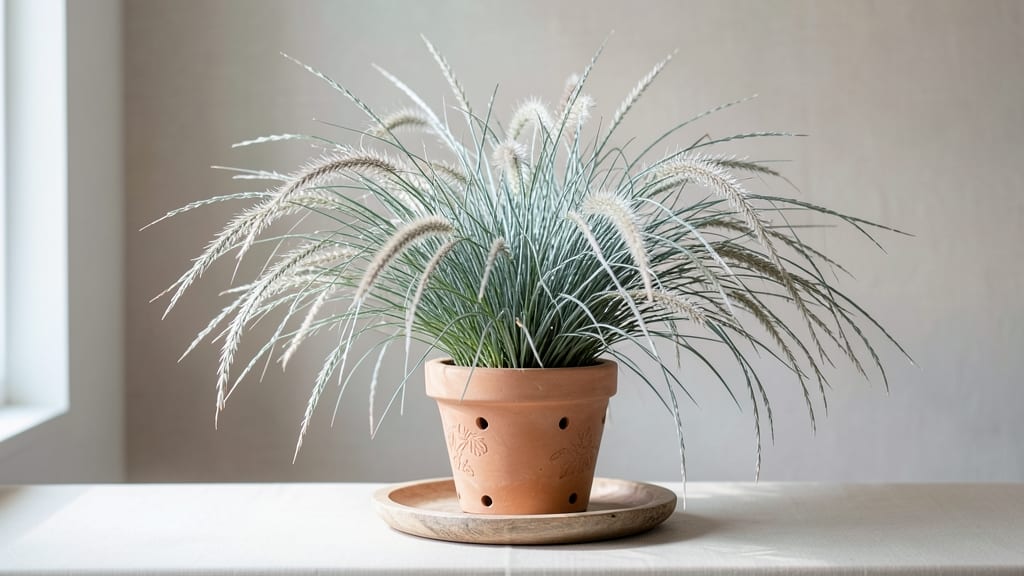
Indoor ornamental grasses bring the garden indoors with their whispering movement and architectural beauty. 🌿 I’ve transformed my living room into a serene tropical retreat using just three varieties—each chosen for their unique texture, color, and ability to thrive in low light.
The secret lies in selecting the right species and styling them to complement your space.
Start with varieties like Miscanthus sinensis ‘Malepartus’ for bold vertical lines, Pennisetum alopecuroides ‘Hameln’ for feathery plumes, or Chionachne koenigii for delicate, airy foliage. These grasses add year-round texture without needing sunlight or fuss. Pair them with low-maintenance succulents or trailing pothos for a balanced, modern look.
Place them in shallow, wide containers to showcase their natural spread, or use tall, slender pots to create vertical drama. In high-traffic areas, opt for drought-tolerant varieties like Carex oshimensis ‘Evergold’, which stays lush with minimal care. The movement alone makes them conversation starters.
For a foolproof setup, choose containers with drainage, water only when the top inch of soil feels dry, and rotate them occasionally for even growth. These grasses thrive in partial to bright indirect light, making them perfect for offices, bathrooms, or sunrooms.
The result? A living room that feels alive, even when you’re not.
📚 In This Guide
- What you need
- Instructions
- Tips and common mistakes
- Wrapping up and next steps
What you need
- ● Ornamental Grass Plants: 1–3 plants (e.g., Dracaena fragilis "Dragon Grass," Festuca glauca "Blue Fescue," or Carex oshimensis "Ooshika Grass")
- ● Note: Choose based on your space (small pots for shelves, larger containers for floors).
- ● Containers: 1–2 ceramic, terracotta, or fabric pots (6–12" diameter, with drainage holes)
- ○ Optional: Decorative cache pots or hanging baskets for a stylish touch.
- ● Soil: 1 bag (5–10 lbs) of well-draining cactus/succulent mix or orchid blend
- ○ Optional: Add 20% perlite or pumice for extra aeration.
- ● Drainage: 1–2 inches of gravel or pebbles (for pots without built-in drainage)
- ● Watering Tools: 1 watering can with a rose attachment (for gentle hydration)
- ○ Optional: A moisture meter to track soil dampness.
- ○ Fertilizer (Optional but Recommended): 1 bottle of balanced liquid fertilizer (e.g., 10-10-10 or 20-20-20, diluted to half-strength)
- ● Alternative: Slow-release granules (follow package instructions).
- ○ Decorative Extras (Optional): Shears or pruning scissors (for trimming)
- ● Decorative stones, moss, or mulch (for aesthetic pots)
- ● LED grow lights (if placing in low-light areas).
Step-by-step instructions for cultivating indoor ornamental grasses
Bringing these elegant plants indoors requires precision—here's how I ensure they thrive year-round.
🪴 Step 1: Select the Right Containers and Drainage System
Choose shallow, wide containers with drainage holes—ornamental grasses hate soggy roots. I prefer 8-12 inch diameter pots with multiple drainage holes to prevent waterlogging. Terra cotta works best because it breathes and helps regulate moisture levels. If your container lacks holes, drill them yourself—just be sure to space them evenly around the base.
Line the bottom with 1-2 inches of gravel or broken pottery shards to create an air gap. This prevents root rot by allowing excess water to drain away from the root zone. You'll notice the difference immediately when watering—proper drainage means the soil dries more evenly between waterings.
🌱 Step 2: Prepare the Well-Draining Soil Mix
Use a lightweight, fast-draining potting mix designed for succulents or cacti—regular garden soil compacts and suffocates grass roots. I blend 50% potting mix with 30% perlite and 20% coarse sand to create the perfect airy texture. This combination mimics their natural, well-drained habitats.
Fill the container ¾ full with your mix, leaving room for the plant. Tap the pot gently on the table to settle the soil without compacting it. The goal is a loose, fluffy texture that allows roots to spread easily. You'll see the difference when watering—it should absorb moisture quickly without forming puddles.
☀️ Step 3: Plant and Position for Optimal Light
Remove the grass from its nursery pot and gently loosen the roots if they're circling. Place it in the center of your container, ensuring the crown sits just above the soil line—burying it too deep causes rot. Fill the remaining space with your prepared mix, pressing lightly to secure the plant but not compacting.
Position your grasses near a bright, indirect light source—east or west-facing windows work best. They tolerate 4-6 hours of direct morning sun, but avoid harsh afternoon rays that can scorch delicate foliage. You'll notice leaves turning pale or stretching toward light? That's a sign to move it closer to the window.
💧 Step 4: Establish a Watering Routine
Water thoroughly only when the top 1-2 inches of soil feel completely dry—overwatering is the #1 killer of indoor grasses. I use the finger test: stick your index finger into the soil. If it comes out clean, it's time to water. Use room-temperature water and water until it runs freely from the drainage holes.
After watering, empty any excess from the saucer within 15 minutes to prevent root suffocation. During winter, reduce watering to every 10-14 days—these plants enter a natural dormancy period. You'll see the leaves slow their growth and may even brown slightly at the tips, but this is normal.
✂️ Step 5: Maintain and Encourage Growth
Trim back any dead or brown foliage with clean, sharp scissors in early spring to encourage fresh growth. I cut back to about 2-3 inches above the base, which stimulates new shoots. Avoid heavy pruning in fall—this is when grasses prepare for dormancy and need their energy reserves.
Rotate your containers quarter-turn weekly to ensure even growth—you'll notice one side leaning toward the light? This simple habit keeps your grasses growing uniformly. Fertilize lightly once in spring with a balanced, water-soluble fertilizer diluted to half strength. Too much fertilizer burns delicate roots, so less is always better.
Tips & tricks for perfect indoor ornamental grasses
Took me years of trial and error to perfect these indoor grasses—here's what actually makes the difference.
Container Intelligence: The 8-12 inch diameter pots mentioned aren't arbitrary—they match the mature size of most ornamental grasses perfectly. Too small, and roots get cramped; too large, and soil stays damp too long. For varieties like fountain grass that grow taller than 3 feet, opt for deeper containers while maintaining that wide base for stability. Terra cotta's porosity helps regulate moisture, but if you prefer plastic, just increase your watering frequency slightly since it retains moisture longer.
Soil Science: That 50-30-20 mix of potting soil, perlite, and coarse sand isn't just random—it creates the perfect air-to-water ratio. The perlite prevents compaction while the sand mimics the mineral content of their natural habitats. Pro tip: Sterilize your mix by baking it in the oven at 200°F for 30 minutes before using to kill any potential pathogens that could harm your grasses.
Lighting Strategy: The 4-6 hours of morning sun is crucial because afternoon sun contains more intense UV rays that can scorch delicate foliage. If your only window faces south, place your grasses 3-4 feet back from the glass and use a sheer curtain to diffuse the light. For north-facing windows, supplement with a grow light for 4-6 hours daily—just keep it 6-12 inches above the plants to avoid heat damage.
Watering Wisdom: That 15-minute saucer drainage rule is non-negotiable—soggy roots are the silent killer of indoor grasses. I've seen people skip this and watch their plants develop root rot within weeks. For winter dormancy, reduce watering to every 10-14 days, but always check that top 1-2 inches first. Cold air dries soil faster, so you might actually need to water more frequently during winter months in dry climates.
Pro Tips for Indoor Ornamental Grasses
- Took me years of trial and error to perfect these indoor grasses—here's what actually makes the difference.
- Container Intelligence: The 8-12 inch diameter pots mentioned aren't arbitrary—they match the mature size of most ornamental grasses perfectly.
- Soil Science: That 50-30-20 mix of potting soil, perlite, and coarse sand isn't just random—it creates the perfect air-to-water ratio.
Frequently asked questions
What’s the best light for indoor ornamental grasses?
Most ornamental grasses thrive in bright, indirect light—think near a north- or east-facing window. Varieties like Fountain Grass or Miscanthus tolerate lower light, but avoid harsh direct sun, which can scorch their delicate fronds. If your space is dim, supplement with a grow light for 4–6 hours daily.
How often should I water my indoor ornamental grasses?
Water when the top 1–2 inches of soil feel dry—usually every 1–2 weeks, depending on humidity and pot size. Overwatering is the #1 killer! Use well-draining soil and a pot with drainage holes to prevent soggy roots. Pro tip: Let excess water drain completely to avoid root rot.
Can I keep ornamental grasses indoors year-round?
With proper care, grasses like Dwarf Rabbit’s Foot or Pampas Grass (in smaller varieties) thrive indoors year-round. They love cool to moderate temps (60–75°F) and benefit from occasional outdoor time in spring/summer for fresh air. Just avoid drafts or sudden temperature swings.
What if my ornamental grass turns brown or crispy?
Brown tips? It’s usually underwatering or low humidity. Crispy edges? Likely dry air or sunburn. Try these fixes:
- Mist leaves lightly or use a pebble tray for humidity.
- Trim dead fronds with clean scissors to encourage new growth.
- Move to a spot with consistent, indirect light.
Are there low-maintenance alternatives to traditional ornamental grasses?
Yes! If you want texture without fuss, try:
- Asparagus Fern – Soft, feathery fronds and drought-tolerant.
- Cast Iron Plant – Nearly indestructible and thrives in low light.
- World’s Best Grass (Ophiopogon) – Compact, grass-like foliage with minimal upkeep.
Wrapping up and next steps
Indoor ornamental grasses are your secret weapon for adding effortless elegance and dynamic movement to any space—no green thumb required! 🌿 Whether you're a seasoned plant parent or a beginner, these low-maintenance beauties bring texture, color, and life to your home year-round.
With the right care, they’ll thrive even in cozy corners, turning your decor into a lush, ever-changing masterpiece.
Ready to dive in? Start by choosing your favorite varieties (or mix a few for drama!) and follow the simple steps to keep them happy. Your next step? Pick up a pot, grab some soil, and let the styling begin—your indoor jungle awaits! 🌱✨