
Lawn
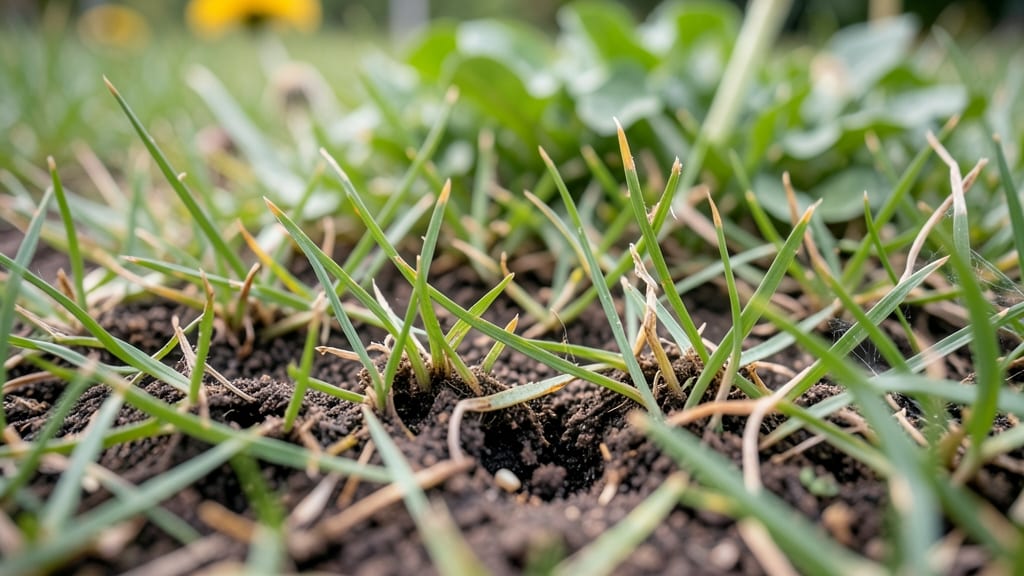
Your lawn looks like a golf course after a putting contest—those tiny holes aren’t just from stray golf balls. 🌱 Insect holes in lawn usually mean grubs, mole crickets, or chinch bugs are feasting on your grass roots, and the damage spreads fast if you ignore it.
I’ve turned patchy lawns into lush carpets by identifying the culprit first, then hitting them with the right treatment—without harsh chemicals if you prefer organic fixes.
The worst part? You might not even see the insects—just the damage. Grubs chew roots from below, leaving brown patches that pull up easily, while mole crickets leave irregular holes and tunnels. Chinch bugs create yellow rings around grass blades before it dies.
The good news? A simple 3-step fix (identify, treat, repair) gets your lawn back in shape in 2-4 weeks, depending on the season and how bad it’s hit.
You’ll end up with a lawn that stays green, even after rain or heavy foot traffic. The secret is timing—treat grubs in late summer/early fall or mole crickets in spring/early summer—and using the right method.
For example, milky spore works great for grubs but won’t touch mole crickets, so knowing your enemy is half the battle.
Whether you’re dealing with a small patch or a full yard, this quick fix saves you from replanting entire sections. Let’s get your lawn back to looking like the pride of the neighborhood—without the extra cost of resodding.
The Hidden Culprits Behind Lawn Holes
If your lawn looks like it’s been riddled with tiny cannonballs, the culprits are likely tiny but mighty: insects. These pests don’t just dig for fun—they’re following a biological script, and understanding their motives is the first step to stopping them.
Below, we break down the most common reasons your grass is turning into a Swiss cheese of holes, complete with the science behind their behavior.
Grubs—larvae of beetles like the Japanese beetle, June beetle, or European chafer—are the #1 reason for sudden lawn holes. These C-shaped larvae love feasting on grass roots, and their tunneling weakens the turf until patches give way, revealing their handiwork.
- Why they do it: Grubs are root-grinding machines. They hatch from eggs laid in the soil, then burrow down to munch on organic matter—starting with your lawn’s roots. Without roots, grass blades wilt and die, creating perfect entry points for birds, raccoons, or even your dog to dig up.
- Peak season: Late summer to early fall (when grubs are most active) and spring (when they pupate and damage is most visible).
- Tell-tale sign: Look for irregular brown patches that pull up easily like sod. If you lift a section and see white, plump grubs, you’ve found your problem.
Ants might seem harmless, but their colonies are master engineers of underground tunnels. While most ants don’t eat grass, their mounds and burrows create weak spots where grass struggles to grow—or where other pests (like grubs) move in.
- Why they do it: Ants build tunnels for ventilation, nesting, and food storage. Some species, like fire ants, aggressively defend their territories, creating bare patches as they uproot grass to reach moisture or prey.
- Peak season: Spring and summer, when colonies expand. Fire ants are especially active after rain.
- Tell-tale sign: Small, volcano-shaped mounds of dirt or trails of tiny black/red ants marching across your lawn.
These nocturnal troublemakers are the lawn’s midnight snack thieves. Mole crickets don’t just dig—they devour roots and seeds, leaving behind a landscape of shallow holes and chewed-up grass.
- Why they do it: Mole crickets are surface grazers that tunnel just below the soil to access roots and organic matter. Their burrows disrupt water absorption, causing grass to yellow and die in patches.
- Peak season: Warm months (May–October), especially after rain when the soil is soft.
- Tell-tale sign: Shallow, irregular holes (often in a zigzag pattern) and chewed-up grass blades at the base.
Birds, raccoons, and skunks don’t cause the holes—they’re the cleanup crew for grubs and insects. Once grubs weaken the lawn, these animals dig up the easy meals, leaving behind a mess of disturbed soil and bare spots.
- Why they do it: Animals like robins, crows, and armadillos have a natural radar for grubs. They peck or paw at the ground until they hit a protein-rich grub buffet.
- Peak season: Dawn/dusk in late summer/fall, when grub populations peak.
- Tell-tale sign: Large, scattered holes (often with feathers or paw prints nearby) and uneven turf where grass has been uprooted.
Even without pests, compromised soil makes lawns vulnerable to holes. Compacted, nutrient-poor, or waterlogged soil gives insects an easy entry and weakens grass roots.
- Why it happens:
- Compaction: Heavy foot traffic or machinery crushes soil, reducing oxygen and root growth.
- Low organic matter: Soil without compost or microbes struggles to support healthy roots, making grass grub bait.
- Poor drainage: Waterlogged areas attract grubs and mole crickets, which thrive in moist conditions.
- Tell-tale sign: Sponge-like soil that stays soggy, thin grass with shallow roots, or holes that appear randomly (not in patches).
💡 Pro Tip: If your lawn holes seem mysterious, dig up a small section. Check for: - White grubs (grubs) - Ant mounds or trails - Zigzag tunnels (mole crickets) - No insects but spongy soil (poor drainage/compaction)
Fixing Lawn Damage from Insect Holes
Now that you know the culprits behind those pesky holes in your lawn—whether they’re grubs, mole crickets, or other underground pests—it’s time to take action! The good news? Most insect-related lawn damage can be repaired with a few targeted steps.
Below, we’ll match common causes to the best fixes, plus share pro tips to keep your lawn lush and pest-free.
---
Grubs are the sneakiest lawn destroyers, munching on roots from below. If you’ve spotted them, act fast before they turn your grass into a patchwork of brown.
#### 🍳 Step 1: Apply a Grub Killer Use a beneficial nematode treatment (like Heterorhabditis bacteriophora) or a chemical grub control (e.g., imidacloprid or trichlorfon). Follow label instructions for best results. 💡 Pro Tip: Water your lawn lightly before applying to help the treatment penetrate the soil.
#### 👨🍳 Step 2: Aerate and Overseed Once grubs are gone, aerate the damaged areas to loosen compacted soil. Then, spread high-quality grass seed and top with a thin layer of compost.
Keep the soil moist until new grass sprouts. 🌡️ Pro Tip: Choose grass seed that matches your existing lawn for a seamless blend.
#### ⏰ Step 3: Prevent Future Outbreaks - Mow high (3–4 inches) to shade out weeds that attract grubs. - Apply a pre-emergent in early spring to block grub eggs. - Encourage natural predators like birds and toads by keeping a healthy lawn ecosystem.
---
These burrowing pests create irregular holes and tunnels, weakening grass roots. Here’s how to evict them:
#### 🔪 Step 1: Flood Their Tunnels Use a garden hose to flood mole cricket tunnels for 15–20 minutes. This drowns them and forces them to the surface. 💡 Pro Tip: Do this in the evening when they’re most active.
#### 🎯 Step 2: Use a Cricket-Specific Bait Spread chlorantraniliprole or fipronil granules (like Scotts GrubEx) over the lawn. These baits are toxic to mole crickets but safe for pets once dry. ✨ Pro Tip: Reapply after heavy rain to maintain effectiveness.
#### 🌱 Step 3: Restore Grass Cover After eliminating mole crickets, patch bare spots with sod or seed. Water deeply to help roots establish.
---
If you’re unsure which insect caused the holes, follow these universal fixes:
#### 1. Rake and Reseed - Rake up dead grass and debris. - Spread fresh topsoil (1/4 inch thick) over bare patches. - Sow grass seed and cover lightly with straw to retain moisture.
#### 2. Improve Soil Health - Test your soil (pH 6.0–7.0 is ideal for most grasses). - Add compost or a slow-release fertilizer to boost root growth.
#### 3. Water Deeply but Infrequently - Water 1–1.5 inches per week, early in the morning. - Avoid shallow watering, which encourages shallow roots (and makes lawns more vulnerable to pests).
--- - Mow regularly to discourage grub-friendly weeds. - Dethatch annually to reduce hiding spots for insects. - Invite beneficial insects (like ladybugs and ground beetles) with native plants. - Inspect your lawn monthly, especially after rain (when grubs are most active).
--- With these solutions, your lawn can bounce back faster than you think! 🌿 Whether you’re dealing with grubs, mole crickets, or general wear, a little elbow grease and the right approach will have your grass looking green and thriving in no time.
Frequently asked questions
How do I know if my lawn holes are from grubs vs. mole crickets?
Grubs leave irregular brown patches that pull up like sod, while mole crickets create shallow, zigzag holes with chewed grass blades. Dig up a small section—if you see white, plump grubs, that’s your culprit. Mole crickets leave tunnels just below the surface.
Will my lawn recover on its own if I just ignore the holes?
Maybe, but it’ll take much longer and may leave permanent damage. Insects keep eating roots, and birds/raccoons dig up more areas. Fixing it now prevents 2-4 weeks of repair from turning into months of patchy grass. Act fast—especially in late summer when grubs are most active!
Are organic treatments as effective as chemical ones for lawn pests?
Yes, but with different results. Beneficial nematodes (like Heterorhabditis bacteriophora) target grubs organically but take 2-3 weeks to work. Chemicals like imidacloprid act faster (1-2 weeks). For mole crickets, flooding tunnels works best organically, while fipronil granules are chemical-based. Test small areas first!
Can I use the same treatment for all types of lawn holes?
No—treatments vary by pest. Grubs need nematodes or grub-specific chemicals, while mole crickets respond to flooding or cricket baits. Ant mounds require mound removal or targeted ant killers. Always identify the cause first by checking for tunnels, chewed blades, or white grubs before treating.
How often should I check my lawn for new holes?
Inspect your lawn monthly, especially after rain (when grubs are most active) or in spring (when mole crickets emerge). Focus on high-traffic areas and shady spots where pests hide. A quick walk with a small shovel to check soil can save your lawn from becoming a buffet!