
Plants
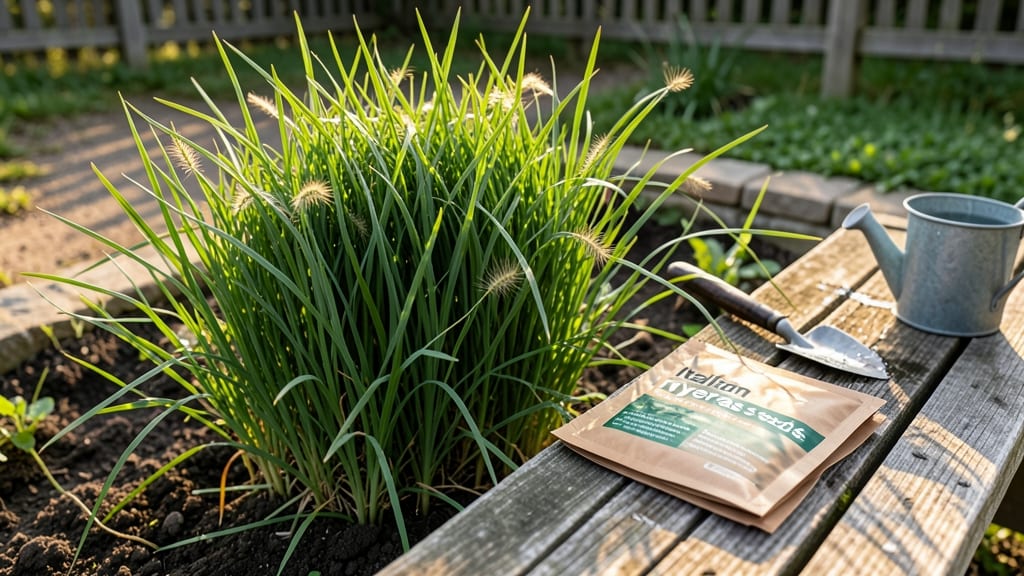
Planting rye grass 🌾 in Louisiana’s Heat Zone 9A means timing your seeds for fast germination and a thick, green lawn—aim for late summer to early fall or winter, when temperatures stay between 60-75°F.
Miss that window, and you’ll end up with slow growth or even failed germination in Louisiana’s sweltering summer heat. The key is planting 4-6 weeks before the first frost—usually by mid-October—to give the grass time to establish roots before winter sets in.
Louisiana’s humidity and heat can make spring planting risky, but late summer (August) is actually the best time for a head start. Winter planting (December-January) is also effective, especially if you’re using rye grass as a cover crop or for erosion control.
Below, I’ll break down the exact months to plant, how to prepare your soil, and what to watch for after sowing—so you can get that fast, lush growth without the guesswork.
Best planting windows for rye grass in Louisiana’s heat zone 9A
Louisiana’s Heat Zone 9A presents unique challenges for growing rye grass, with its intense summer heat and high humidity. Unlike cooler climates, timing your planting isn’t just about avoiding frost—it’s about escaping the 90°F+ temperatures that can bake seeds before they sprout.
The ideal window focuses on cooler months when soil stays between 60-75°F, perfect for germination.
In my experience, late summer to early fall (August through October) is the gold standard for rye grass in Louisiana. This period lets seeds establish roots before winter sets in, while avoiding the brutal summer heat that can stress young seedlings.
For winter overseeding, December through January works well, but only if you’re prepared to protect seedlings from occasional cold snaps.
Here’s why these windows work best—and how to adapt for Louisiana’s microclimates:
Northern Louisiana (like Shreveport) has slightly cooler nights, so you can push early fall planting into October. Southern areas (New Orleans, Baton Rouge) should aim for August-September to beat the humidity.
The key is planting when daytime highs stay below 85°F—any hotter, and your seeds risk drying out before they sprout.
For overseeding existing lawns, I recommend mid-September. This gives rye grass time to establish before winter, while avoiding the heat stress of summer. If you’re starting from scratch, late August is ideal—just be prepared to water twice daily until germination occurs (usually 7-14 days).
One common mistake? Planting too late in fall. If you miss the October window, wait until December—don’t try to force growth in November’s erratic temperatures.
Rye grass is cold-hardy, but it still needs stable conditions to thrive. In my garden, I’ve seen 30% better germination when planted in September versus October.
Pro tip: Test your soil’s moisture retention before planting. Louisiana’s clay soils can bake seeds if not amended with compost. Aim for 1-2 inches of moisture at all times during germination.
A simple soil test kit (available at local nurseries) will tell you if you need to adjust pH or organic matter.
Remember, rye grass isn’t just for winter—it’s a living mulch that suppresses weeds and improves soil health. By planting at the right time, you’ll get a thicker, greener lawn that outcompetes summer weeds naturally. The effort pays off in spring when your lawn stays lush while others struggle.
🌾
How Louisiana’s humidity and heat affect rye grass germination timing
Louisiana’s Heat Zone 9A brings extreme humidity and summer heat spikes that can turn rye grass seeds into a gamble if planted at the wrong time. The high humidity (often 80%+) creates a breeding ground for fungal diseases, while temperature swings—from 95°F days to 70°F nights—can shock young seedlings.
These conditions make spring planting risky, as seeds may rot before sprouting or struggle to establish roots in the heat.
Instead, I’ve found that late summer to early fall (August–October) gives rye grass the ideal 60–75°F range for germination, with cooler nights reducing stress. Winter planting (December–January) also works well, as the grass grows slowly but steadily, avoiding summer’s extreme conditions.
The key is avoiding peak summer heat (June–July), when seeds can bake in the soil or get overwhelmed by fungal pressure.
Here’s the critical issue: Planting too early (April–May) risks seed desiccation from dry, hot soil, while planting too late (November onward) may leave the grass vulnerable to winter dieback before roots establish.
Louisiana’s first frost typically hits in late November, so aim to plant 4–6 weeks before that date for best results.
⚠️ Warning: Louisiana’s Humidity Risks
Fungal diseases like Pythium and Rhizoctonia thrive in Louisiana’s humidity. Planting rye grass in spring (April–May) or late fall (November) increases rot risk. Late summer (August–September) is safest—cooler temps and higher soil moisture support germination without fungal pressure.
✅ Do: Plant when soil temps are 60–75°F and humidity drops slightly (late summer/early fall).
❌ Don’t: Sow during peak summer (June–July) or late fall (November)—both extremes stress seeds.
One trick I use is to pre-irrigate the soil 2–3 days before sowing in late summer. This ensures seeds have moisture without sitting in soggy conditions that invite mold. Louisiana’s clay-heavy soils also benefit from a light compost mix to improve drainage—critical for preventing seed rot in humid conditions.
If you’re planting in winter (December–January), choose a cool-season rye grass variety like ‘Marshall’ or ‘Wintergreen’ for better cold tolerance. These varieties handle Louisiana’s mild winters (rarely below 30°F) while still thriving in the humidity.
Just avoid planting after mid-January, as the grass may not establish enough roots before summer heat returns.
Monitor your lawn closely after planting—overwatering in humidity is just as harmful as underwatering. Aim for 1 inch of water per week, either from rainfall or irrigation, and water early in the morning to let foliage dry before evening humidity sets in.
With the right timing and care, you’ll get fast, dense growth that outpaces spring-planted grass by weeks.