
Plants
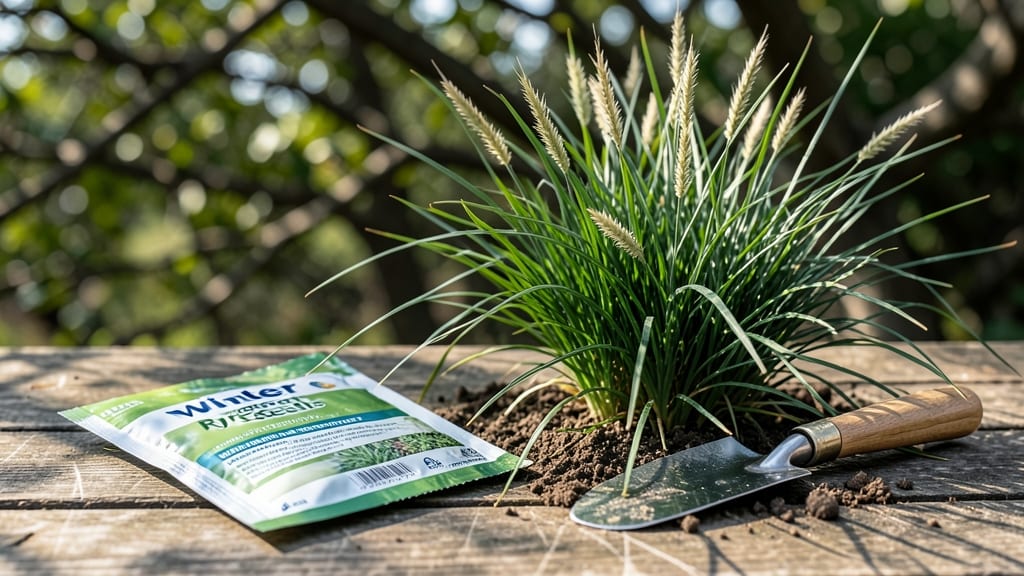
Plant winter rye grass in Oklahoma between late August and early October for the fastest root establishment and strongest winter survival.
Oklahoma’s unpredictable winters can make or break your winter rye grass cover crop—planting at the wrong time means weak roots, poor establishment, or wasted seed. Timing is everything in Heat Zone 8, and small adjustments can transform your soil health for next year’s garden.
This fast-growing grass thrives when planted 4-6 weeks before the first frost, giving it time to develop deep roots before dormancy. In Oklahoma’s 6b-8a zones, that means aiming for mid-September in most areas, but earlier in cooler microclimates.
Below, I’ll walk you through the exact planting windows, soil prep tips, and how to adjust for Oklahoma’s unique weather—so you can get strong, dense coverage by spring without guessing.
Optimal planting windows for winter rye grass in Oklahoma’s Heat Zone 8
Oklahoma’s Heat Zone 8 climate creates unique challenges for planting winter rye grass. The key is timing your seeds to establish strong roots before the first frost while avoiding summer heat stress.
In my experience, the 4-6 week window before frost is critical for success—this means planting between mid-September and early October for most of the state.
However, Oklahoma’s microclimates mean your exact planting window may vary. Northern regions like Oklahoma City (Zone 7a) can handle slightly later plantings, while southern areas like Tulsa (Zone 7b) may need earlier starts. The goal is to give your rye grass 6-8 weeks of warm soil before dormancy sets in.
Here’s the science behind the timing: Winter rye grass needs soil temperatures above 50°F for germination and root development. In Oklahoma, soil temps drop below this threshold around mid-October in northern areas and late October in southern regions.
Planting too early risks heat stress and fungal issues, while planting too late may result in weak winter survival.
🌱
For northern Oklahoma (Zones 6b-7a), aim for September 15-October 1. This gives your rye grass enough time to establish before the average first frost date of November 1.
In southern Oklahoma (Zone 8a), you can extend your window to October 15, as frost typically arrives around October 30.
Pro tip: Check the Oklahoma Mesonet for real-time soil temperatures. If your area experiences an early cold snap, consider using a lightweight row cover to protect young seedlings. I’ve found that even a 30°F night can stunt germination if seeds haven’t had time to establish roots.
Another factor to consider is rainfall patterns. Oklahoma’s fall can be unpredictable, with some years delivering consistent moisture and others experiencing drought. If your forecast shows dry conditions, plant on the earlier side of the window and water deeply after sowing to encourage root growth before dormancy.
Remember that winter rye grass serves multiple purposes in Oklahoma gardens: soil erosion control, weed suppression, and improved soil structure. Planting at the right time ensures it fulfills all these roles effectively.
For maximum benefits, aim for a dense stand by late fall—this means your seeds should be 1/4 inch deep and spaced 1/2 inch apart.
If you’re planting in urban areas like Oklahoma City or Tulsa, watch for heat island effects that can delay frost. These microclimates may allow for slightly later plantings.
Conversely, rural areas with cooler nights might need earlier starts. Always adjust your timing based on your specific location’s last average frost date.
Finally, don’t forget that winter rye grass will reseed itself in spring. Proper fall planting ensures a vigorous regrowth that can be mowed down in early spring to create natural mulch for your garden beds. This dual-purpose use makes precise timing even more valuable for Oklahoma gardeners.
🌿
How to adjust planting time for Oklahoma’s unique weather patterns
Oklahoma’s unpredictable weather can throw off even the best-laid planting plans. Winter rye grass thrives when planted at the right time, but early freezes or late-winter thaws can derail your cover crop goals.
The key is flexibility—adjusting your approach based on soil temperature, frost forecasts, and even companion plants to extend your growing window.
If you’ve ever watched your seeds sprout too late or wither under frost, you know timing is critical. In Heat Zone 8, the ideal window is late August to mid-October, but Oklahoma’s microclimates mean your neighbor’s success might not match yours.
Here’s how to pivot when Mother Nature throws a curveball.
⚠️ Watch for These Oklahoma-Specific Red Flags
Early Freeze Alert: If your first frost arrives before October 15, delay planting until soil temps stay above 50°F for 5+ days. Use a row cover to buy time.
Late-Winter Thaw: If temps spike above 60°F in February, your rye grass may bolt prematurely. Monitor 7-day forecasts and adjust irrigation to prevent stress.
Drought Stress: If rainfall drops below 1 inch/week after planting, increase seed depth to ½ inch for deeper root access to moisture.
For backup planting windows, aim for early September if you miss the August target. While not ideal, winter rye grass can still establish if soil temps remain above 45°F and you water deeply every 5–7 days. Just expect slower growth before dormancy.
Adjust your seed depth based on moisture levels. In dry conditions, plant ½ inch deep to encourage roots to grow downward. In wet soils, shallow planting (¼ inch) prevents rot.
Use your finger to check moisture—if the top 2 inches feel dry, it’s time to water.
Extend your growing window with companion planting. Pair winter rye grass with clover or hairy vetch to improve soil structure and suppress weeds. These plants also moderate soil temperature, reducing frost damage risk. Just avoid planting near legumes like peas, which compete for nutrients.
When all else fails, use seasonal adjustments like a protective mulch layer (straw or leaves) to insulate seeds during late-winter thaws. This buys critical root establishment time before the next frost.
Monitor your garden daily in Heat Zone 8—small tweaks now mean healthier soil and better yields next spring.