
Plants
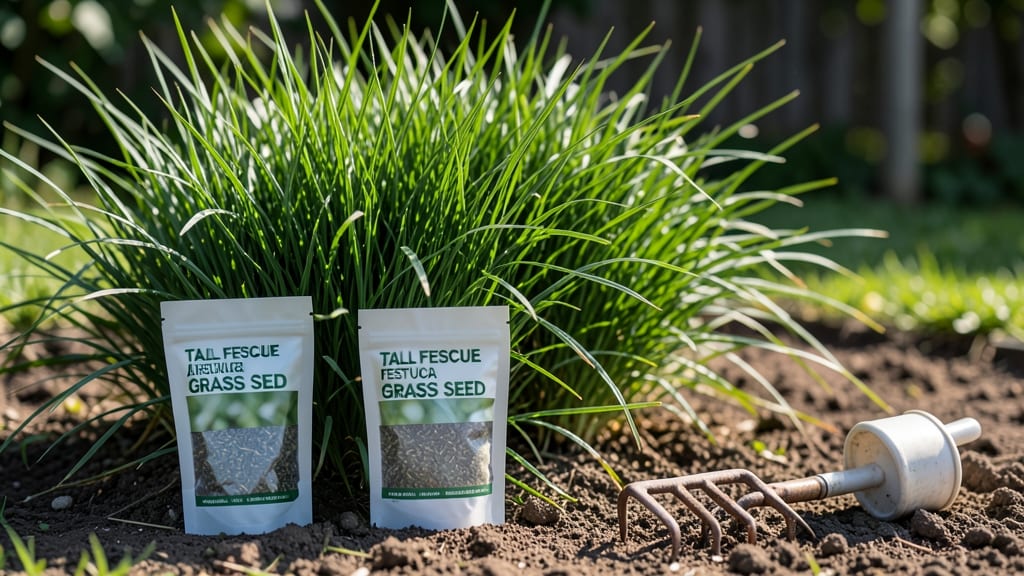
Planting grass in Atlanta’s 7b-8a zone demands precise timing to outpace the heat and humidity, so aim for late summer to early fall or early spring when soil temperatures cooperate.
Picture this: you’ve prepped the soil, chosen the right seed, and poured in the water—only to watch your new lawn struggle under Atlanta’s sweltering summer sun. That’s why September planting is your secret weapon, giving roots a fighting chance before winter’s chill sets in.
Atlanta’s subtropical climate means spring planting is a close second, but the window is narrow—miss it, and you’ll battle drought stress and weeds. The key? Plant when daytime highs dip below 85°F, and you’ll set your turfgrass up for fast establishment.
In this guide, I’ll walk you through the ideal months, soil prep tricks, and watering schedules that keep your grass thriving—no matter whether you’re seeding or laying sod.
Best months to plant grass in Atlanta’s heat zone 8 climate
Atlanta’s humid subtropical climate (USDA Zone 8) creates unique challenges for grass establishment. The ideal planting windows focus on avoiding summer heat stress while maximizing root development before winter dormancy. Unlike cooler climates, Atlanta’s September temperatures often provide the perfect balance of warmth and moisture for seed germination.
Most gardeners in Atlanta prioritize late summer planting (August-September) because cooler soil temperatures and consistent rainfall create perfect conditions. However, early spring planting (March-April) also works well for cool-season grasses like tall fescue. The key is understanding how your specific grass type responds to Atlanta’s microclimates and soil temperatures.
Atlanta’s soil temperature thresholds are critical - grass seeds need soil temps between 60-75°F for optimal germination. In Atlanta, this typically occurs during late summer when daytime highs drop below 90°F. Using a soil thermometer ensures you’re planting when conditions are ideal for your chosen grass variety.
Atlanta’s microclimates play a significant role in grass establishment timing. Urban areas often experience heat island effect, making soil temperatures 5-10°F warmer than rural areas. If you're planting in city neighborhoods, aim for late August when temperatures begin dropping.
Conversely, suburban and rural areas can sometimes extend planting into early October for cool-season grasses.
The warm-season grasses (Bermuda, Zoysia) dominate Atlanta lawns because they thrive in summer heat. These varieties should only be planted in late summer when soil temperatures begin cooling.
Planting too early in spring risks seed dormancy from heat stress, while planting too late in fall may result in insufficient root growth before winter.
For cool-season grasses like tall fescue, early spring (March) is ideal because it gives roots time to establish before summer heat arrives. However, late summer planting (August) can also work if you use a starter fertilizer to boost early growth.
The key is avoiding the peak summer months (June-July) when soil temperatures often exceed 85°F.
Atlanta’s rainfall patterns also influence planting timing. The city receives 4-6 inches of rain monthly during summer and fall, which helps maintain moisture for new grass. However, irregular summer downpours can cause erosion of newly seeded areas. Always water lightly after planting to settle seeds while avoiding washout.
If you're unsure about timing, use the "back nine rule" - plant when the average daily temperature is 70°F or below for at least 9 days in a row.
This typically aligns with mid-August to early September in Atlanta. For cool-season grasses, aim for March 15-April 15 when soil temperatures stabilize between 50-65°F.
Remember that sod establishment follows slightly different timing than seeding. Sod can be installed anytime the ground isn't frozen, but late summer still offers the best balance of moisture and temperature.
The first 2 weeks after sod installation are critical for root development, so keep soil consistently moist during this period.
Atlanta gardeners often make the mistake of planting in early spring without considering the rapid warming that occurs by May. Grass planted in March may struggle to establish before summer heat arrives. The late summer window (August-September) provides the perfect compromise between warmth and moisture for most Atlanta lawns.
How Atlanta’s rainfall and heat affect grass establishment success
Atlanta’s humid subtropical climate creates a unique challenge for grass establishment. The city’s hot summers and abundant rainfall can either accelerate or stall root growth if not managed properly.
Unlike cooler climates, Atlanta’s 90°F+ temperatures during peak summer months stress young grass, while sudden afternoon thunderstorms can wash away seeds or create uneven moisture levels. Timing your planting becomes critical to outpace these extremes.
Most gardeners assume spring planting is ideal, but in Atlanta, September often outperforms March or April. The reason? Cooler soil temperatures in late summer allow seeds to germinate faster without the immediate shock of summer heat.
Plus, natural rainfall patterns shift—September typically brings consistent, moderate showers that keep soil moist without drowning seedlings. This window gives grass a 3-4 week head start before winter dormancy sets in.
- 1. September Planting – 60°F-75°F soil temps promote faster germination than spring’s 80°F+ heat
- 2. Morning Watering – Deep soak before 10 AM reduces evaporation and fungal risks
- 3. Drought Stress – July-August heat requires daily watering for new grass
- 4. Rainfall Timing – Afternoon storms can erode seeds; plant when forecast shows light rain
- 5. Root Depth – 4-6 inches deep by fall = better winter survival than spring-planted grass
One of the biggest mistakes I see is overwatering after planting. While Atlanta’s average 50+ inches of annual rainfall might seem like a blessing, uneven watering creates bare patches. Instead, aim for 1-1.5 inches per week using a soaker hose or drip irrigation.
This mimics natural rainfall patterns while preventing runoff. For new grass, water twice daily (morning and evening) for the first 2 weeks—just enough to keep the top 1 inch of soil moist.
Summer drought stress is the silent killer of Atlanta lawns. Even established grass struggles when temperatures hit 95°F+. If you must plant in June or July, choose drought-tolerant varieties like Zoysia or Bermuda, and mulch with straw to retain moisture.
These grasses have deep root systems that can survive 30-day dry spells once established, unlike cool-season grasses like Tall Fescue, which bolt in summer heat.
To maximize root development, focus on deep, infrequent watering rather than light, frequent sprinkles. Grass roots grow 3x faster when water penetrates 6+ inches deep. Use a soil probe to check moisture levels—if it’s dry at 3 inches down, water again.
In Atlanta’s clay-heavy soil, this means longer watering cycles (30-45 minutes) every 3-4 days during summer. Automatic sprinklers often fail here because they don’t account for soil type or microclimates.
Remember, Atlanta’s microclimates vary drastically—urban areas stay 5-10°F warmer than rural zones, and shaded yards can delay germination by 1-2 weeks. Adjust your watering schedule based on your specific yard conditions.
For fastest establishment, pair September planting with morning watering and straw mulch. This combo gives your grass the best shot at deep roots before winter slows growth down.