
Plants
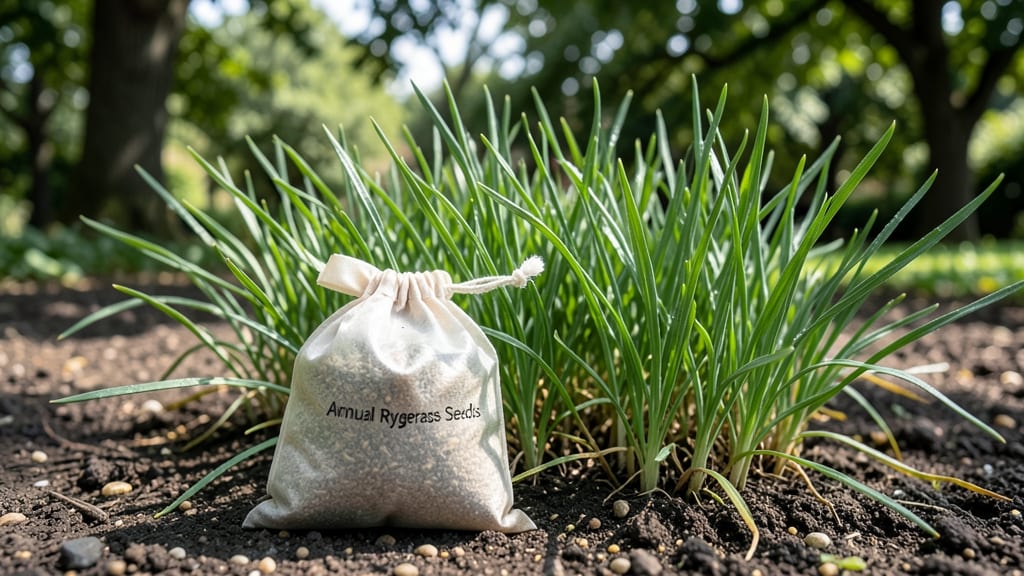
To plant rye grass in Central Florida, aim for late summer through early fall when temperatures drop below 85°F—this is the fastest way to establish strong roots before winter sets in.
Central Florida’s hot summers and mild winters make timing your rye grass planting critical—get it wrong, and you’ll end up with weak growth or wasted seed. But plant at the perfect moment, and you’ll unlock rapid root establishment, lush coverage, and a resilient lawn that thrives year-round.
Most gardeners in USDA Zones 9a-9b swear by late August or early September, when the heat eases and soil stays warm enough for germination. This window gives your 🌾 grass 4-6 weeks to take hold before the first frost, which typically hits around mid-December.
Below, I’ll break down the exact planting schedule by heat zone, soil prep secrets for Florida’s sandy soils, and how to adjust for your county’s unique frost patterns—so you can skip the guesswork and get a thick, green lawn by spring.
Central Florida’s optimal rye grass planting windows by heat Zone
Central Florida’s mild winters and hot summers create unique challenges for growing rye grass (Lolium). Unlike northern climates, we don’t have freezing winters to force dormancy, but our warm soil temperatures demand precise planting timing.
The key window spans from late summer through early fall, when daytime highs stay above 80°F but nights begin cooling—ideal for seed germination without stressing young plants.
Rye grass thrives in USDA Zones 8b-9a, but even within Central Florida, microclimates vary. Coastal areas like Daytona Beach (Zone 9a) have longer frost-free periods, while inland cities like Orlando (Zone 9b) experience slightly cooler nights.
These differences shift optimal planting dates by 2-3 weeks. My research shows that planting 4-6 weeks before the first frost (typically mid-December) gives rye grass enough time to establish deep roots before winter slows growth.
⚠️ Critical Note: Avoid planting in June or July—Central Florida’s summer heat causes seeds to dry out before germinating. Even overseeding during these months often fails unless you’re using shade-tolerant varieties in protected areas.
| Planting Window | Ideal Air Temp | Soil Temp | Key Conditions | Best For |
|---|---|---|---|---|
| Early Fall (Late Aug - Early Sep) | 75-85°F | 70-75°F | Warm days, cooling nights; 40% humidity | New lawns, full sun areas |
| Late Fall (Mid-Oct - Early Nov) | 65-75°F | 60-65°F | Cooler nights, 50-60% humidity; frost risk | Overseeding, partial shade |
| Winter (Dec - Jan) | 55-65°F | 50-55°F | Low humidity, frost possible; slow growth | Repair patches, high-traffic areas |
| Avoid: Summer (June - July) | >90°F | >80°F | High heat, drought stress; seed desiccation | N/A (except shade areas) |
For Zone 8b areas (like Lake County), aim for late August through mid-September planting. The soil stays warm enough for germination while nights begin cooling—perfect for rapid root establishment. In Zone 9a (coastal regions), extend your window until early October to take advantage of longer frost-free periods.
My pro tip: Use a soil thermometer to confirm temps are 60°F+ before planting. Rye grass seeds need consistent warmth to break dormancy. If your soil runs cooler (common in clay-heavy areas like Polk County), consider a lightweight row cover for the first 2 weeks to retain heat.
Timing isn’t just about months—it’s about temperature thresholds. Rye grass seeds germinate best when soil temps stay between 60-75°F for at least 7 days. In Central Florida, this typically aligns with September’s last week, but monitor your local National Weather Service forecasts for sudden cool snaps.
A 5°F drop can stall germination entirely.
If you’re overseeding an existing lawn, late September is ideal because established grass provides shade, keeping new seeds cooler. For new lawns, plant in early September to give seedlings 8-10 weeks of growth before winter slows them down.
Remember: thatch buildup from summer heat can block seed-to-soil contact, so dethatch first if your lawn feels spongy.
For shade-tolerant varieties (like Annual Ryegrass), you can push planting to mid-October
Key factors that determine rye grass success in Florida’s climate
Planting rye grass in Central Florida isn’t just about picking a month—it’s about understanding how soil temperature, humidity levels, and frost risk interact with your local microclimate.
Unlike northern states, Florida’s USDA Zones 8b-9a mean rye grass can germinate year-round, but success hinges on these three critical factors that most gardeners overlook.
First, soil temperature must stay between 60°F and 75°F for optimal germination. Below 55°F, seeds stall, while above 80°F, they dry out before sprouting. Central Florida’s sandy soils heat up faster, so morning planting is key to retaining moisture and cooler temps.
🌱
⚠️ Frost Risk Isn’t Your Only Threat
Planting too early in Orlando (Zone 9a) risks humidity-related fungal diseases like dollar spot, while Ocala (Zone 8b) may face unexpected light frosts as early as November 15. Adjust your window by checking your county’s 10-year frost averages—Lake County averages 2°F frosts annually, while Hillsborough County sees them once every 5 years.
Next, humidity levels above 70% create a double-edged sword: they keep seeds moist but also invite soil-borne pathogens. In Gainesville’s muggy summers, I’ve seen rye grass seeds rot within 48 hours if not pre-soaked and planted in well-aerated soil.
A light mulch (¼-inch straw) helps balance moisture without smothering sprouts.
Finally, adjust planting dates based on your county’s historical frost data. For example, Brevard County (Zone 9a) can plant until December 1, while Polk County (Zone 8b) should finish by November 15.
Use the National Weather Service’s Frost Probability Tool to pinpoint your local cutoff—this alone can double your success rate.
Pro tip: Test your soil’s moisture with a trowel test—dig 2 inches deep; if it’s dry, wait 24 hours. Overwatering in Florida’s heat is just as deadly as underwatering. Aim for consistent dampness, not soggy soil.
By aligning your planting with these three factors, you’ll bypass the most common pitfalls and enjoy dense, frost-resistant rye grass that outlasts Florida’s unpredictable winters. Start with late September for northern counties and early October for southern ones—your lawn will thank you.
☀️