
Plants
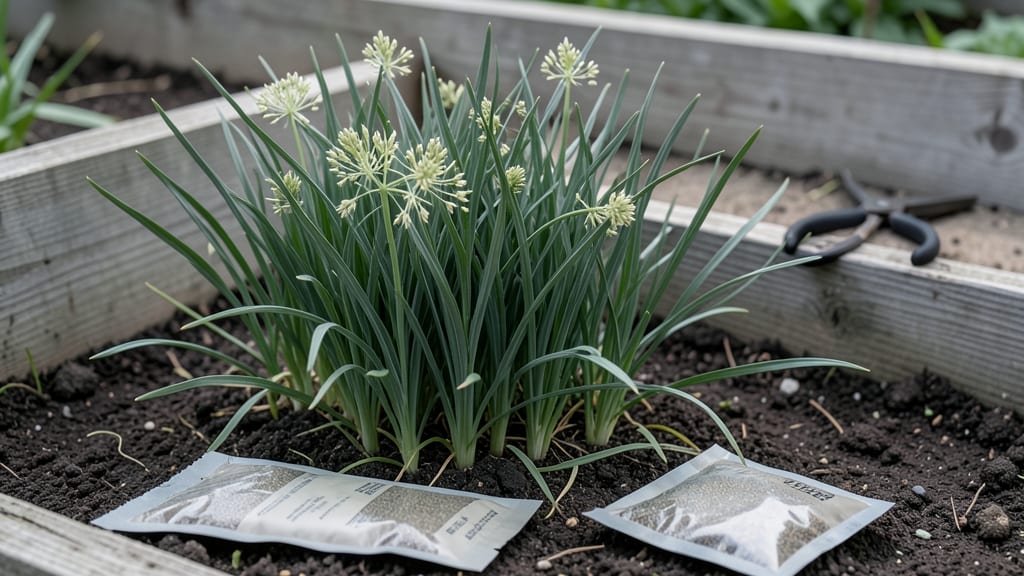
Planting rye grass in Phoenix between October and January unlocks rapid root growth before the heat returns, turning your lawn from patchy to plush in just 3–4 weeks.
Phoenix’s scorching summers and mild winters make timing your rye grass planting critical—get it wrong, and you’ll face slow growth or wasted seeds. But with the right heat-zone strategy, you can unlock rapid root development and a lush lawn year-round.
Most gardeners in USDA Zone 9b wait until late September to start, but the sweet spot is early October when soil temps drop below 75°F—cooler enough for germination but still warm enough to avoid winter dormancy.
Here’s how to time it perfectly, adjust watering for Phoenix’s low humidity, and avoid the three biggest mistakes that kill rye grass before it even takes hold.
Phoenix heat zones: best planting windows for rye grass success
Phoenix’s desert climate creates microclimates that dramatically affect rye grass germination. Urban areas like Downtown Phoenix stay 10°F hotter than suburban Scottsdale due to concrete heat absorption. These differences mean your planting window could shift by 2-3 weeks depending on location.
Rye grass thrives when soil temps hover between 60°F-75°F. In Phoenix, this happens naturally during fall and winter months when daytime highs drop below 85°F. The key is planting when nighttime temps stay above 50°F—this prevents seed dormancy and ensures consistent moisture retention.
Here’s how Phoenix’s heat zones impact your planting schedule:
| Heat Zone | Characteristics | Optimal Planting Window | Soil Temp Range | Key Considerations |
|---|---|---|---|---|
| Urban Core (Downtown, Midtown) | Concrete surfaces, heat island effect, 10-15°F hotter than suburbs | Late October - Mid-November | 65°F-72°F | Plant after monsoon season (Sept) to avoid flash floods washing out seeds |
| Suburban (Scottsdale, Tempe, Ahwatukee) | More shade trees, 5-10°F cooler nights, lower evaporation | Mid-September - December | 60°F-70°F | Can extend planting into early December if using shade cloth for afternoon protection |
| High Desert (North Phoenix, Carefree) | Cooler nights (45°F+), higher elevation, less humidity | Early September - January | 55°F-68°F | Watch for early frosts (rare but possible); use row covers if temps dip below 40°F |
| Valley Floor (West Phoenix, Glendale) | Hot days, cold nights, poor drainage in low areas | October - November | 62°F-74°F | Avoid low-lying areas that stay too wet—rye grass rotts in soggy soil |
For urban Phoenix, aim to plant after October 15th when daytime temps consistently stay below 90°F. This gives seeds 4-6 weeks of ideal 60°F-75°F soil temps before winter slows growth.
In suburban areas, you can start as early as mid-September if you use shade cloth to protect seedlings from afternoon sun.
One critical mistake Phoenix gardeners make is planting too early (before September). While it might seem like a head start, summer heat (above 95°F) causes seeds to dormant immediately, wasting your investment. Always check soil temps with a soil thermometer—aim for 60°F+ at 2-inch depth.
If you’re overseeding an existing lawn, late October is your best bet. The cool nights and warm days create perfect conditions for root establishment before winter rains arrive. For new lawns, stretch planting into January—just be prepared to water more frequently as evaporation increases with spring heat.
Pro tip: Use a lightweight row cover if planting in September to protect seedlings from scorching afternoon sun. Remove it by midday to allow photosynthesis. This extends your planting window by 2-3 weeks without risking seed dormancy.
Remember, rye grass in Phoenix isn’t about summer growth—it’s about root development for spring green-up. Plant too late (after January), and you’ll miss the optimal 60-day growth window before summer dormancy sets in.
Pre-planting prep: soil, seed variety, and watering hacks for Phoenix’s climate
Phoenix’s arid climate demands extra prep before planting rye grass. The key to success lies in three critical areas: soil pH adjustment, selecting the right drought-resistant varieties, and mastering watering techniques that combat high evaporation.
Skipping these steps often leads to poor germination or stunted growth, even with the best timing.
Start by testing your soil pH—aim for a range of 6.0 to 7.5. Phoenix’s native soil often leans alkaline, which can hinder rye grass growth. Amend with sulfur or peat moss if needed, and mix in compost to improve water retention.
This prep work ensures your seeds get the nutrients they need to thrive in the desert’s challenging conditions.
🌱 Phoenix Rye Grass Prep Checklist
- ✅ Test soil pH (target: 6.0-7.5)
- ✅ Choose varieties: ‘Marshall’ or ‘Pioneer’ (drought-tolerant)
- ✅ Water deeply (1–1.5 inches, early morning)
- ✅ Avoid light misting (high evaporation = wasted water)
- ✅ Mulch lightly (retains moisture, reduces weeds)
For seed selection, prioritize varieties bred for heat tolerance and low humidity. ‘Marshall’ and ‘Pioneer’ rye grass are top picks for Phoenix—they germinate faster in 60°F-75°F soil and handle brief winter chills better than standard types.
Buy seeds locally or from Arizona-specific suppliers to ensure they’re adapted to your region’s unique conditions.
Watering is where most Phoenix gardeners trip up. Deep irrigation (1–1.5 inches per week) beats frequent light watering, which evaporates quickly in the desert sun. Schedule watering for early morning (4–8 AM) to minimize loss and prevent fungal issues.
Use a soaker hose or drip system for even coverage, and avoid overhead sprinklers—they waste water and can damage seedlings.
After planting, monitor your lawn closely. Dormancy is normal in summer, but if your rye grass turns yellow or grows patchy, check for underwatering or over-fertilization. Adjust your schedule based on rainfall—Phoenix’s monsoon season (July–September) can sometimes provide enough moisture to reduce your watering needs temporarily.
With the right prep, your rye grass will establish strong roots in 3–4 weeks, outlasting Phoenix’s harshest conditions. The secret? Treat your soil like a desert oasis—moisture-rich, nutrient-dense, and shielded from the sun’s intensity until roots take hold.