
Lawn
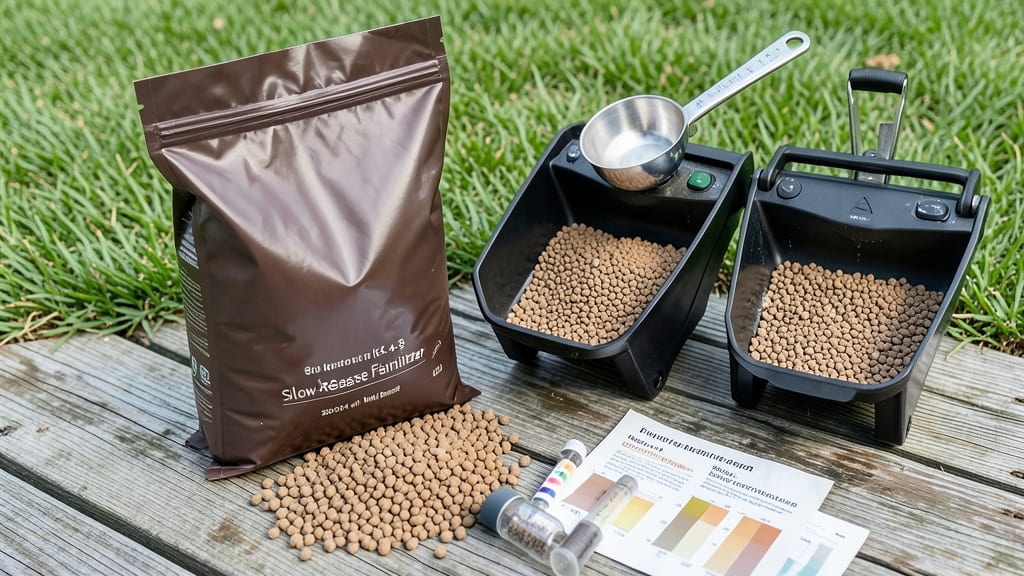
Fertilizing your Central Florida lawn at the right time keeps it lush year-round—but timing is everything.
Picture this: you’ve just spent $50 on fertilizer, spread it carefully, and two weeks later, your grass looks worse than before. That’s what happens when you fertilize at the wrong time in our humid subtropical climate.
Too early, and you waste money; too late, and your lawn struggles to recover.
Central Florida’s 9a-10a zone means your lawn grass 🌱 thrives on a precise schedule, with spring and fall being the sweet spots for feeding. Summer’s heat and winter’s dormancy demand a different approach, and ignoring those shifts can leave your yard patchy or stressed.
Below, I break down the exact months to fertilize, the best types of fertilizer for Florida’s soil, and how to adjust for rain, heat, and your grass type—so you never over- or under-feed again.
Central Florida fertilization calendar: month-by-month breakdown for optimal growth
Central Florida’s humid subtropical climate creates unique challenges for lawn care—too much heat or rain can wash away nutrients, while improper timing can stress your grass. Unlike cooler climates, spring and fall are your golden windows for fertilization, but even summer has strategic opportunities if you know the tricks.
For St. Augustine, Bahiagrass, or Centipede lawns, the key is matching fertilizer applications to temperature thresholds (ideally between 65°F–85°F) and rainfall patterns to avoid runoff.
The University of Florida IFAS Extension recommends a 4-step fertilization plan tailored to Central Florida’s zones (Orlando, Tampa, Ocala). This schedule balances slow-release fertilizers (for steady growth) with quick-release options (for rapid recovery after stress).
Below, I’ll break down the month-by-month calendar, including when to apply, what to use, and how to adjust for sandy soils or summer storms.
| Month | Temperature Range | Rainfall Consideration | Fertilizer Type | Action | Notes |
|---|---|---|---|---|---|
| January | 55°F–70°F | Low rainfall (dry season) | Slow-release (16-4-8) | Light application (0.5 lb/1000 sqft) | Prep for spring growth; avoid heavy nitrogen |
| February | 60°F–75°F | Increasing rain | Slow-release (16-4-8) | Full application (1 lb/500 sqft) | Water in after application to activate nutrients |
| March | 65°F–80°F | Moderate rain | Quick-release (high nitrogen) | Split application (2x, 2 weeks apart) | Critical for spring green-up; avoid if drought predicted |
| April | 70°F–85°F | High rain (summer onset) | Slow-release (organic options) | Light maintenance (0.3 lb/1000 sqft) | Reduce risk of fungal growth; use iron supplements |
| May–August | 85°F–95°F | Heavy rain/drought cycles | None (dormant period) | Skip fertilization | Grass goes dormant; focus on deep watering and weed control |
| September | 75°F–88°F | Hurricane season | Slow-release (16-4-8) |
How to adjust fertilization for Central Florida’s unique challenges (rain, heat, and soil types)Central Florida’s sandy soils and frequent summer storms create a double-edged sword for lawn care. While sandy soil drains quickly, it also leaches nutrients fast, meaning fertilizers wash away before grass can absorb them. Meanwhile, intense heat and heavy rainfall can burn roots or dilute fertilizer effectiveness if not timed right. The key? Split applications and strategic irrigation to maximize nutrient uptake. Most homeowners assume a one-size-fits-all approach works, but Central Florida’s humid subtropical climate demands precision. For example, St. Augustine grass thrives with slow-release fertilizers in spring, while Bahia grass tolerates drought better but still needs adjusted nitrogen levels to avoid heat stress. Even the timing of watering after fertilization matters—too much rain too soon can wash away nutrients before roots absorb them. ⚠️ CALLOUT-WARNING
⚠️ Avoid Fertilizing Before Heavy Rain
Central Florida’s summer storms can drop 2+ inches of rain in hours, washing away 50-70% of applied fertilizer before grass absorbs it. Always check the 7-day forecast and wait 48 hours after rain before fertilizing. For sandy soils, consider water-soluble fertilizers with polymer-coated granules to slow nutrient release. To combat nutrient loss in sandy soils, I recommend split applications—dividing your annual fertilizer into 3-4 smaller doses (e.g., March, June, September, November). This mimics nature’s slow nutrient release and reduces burn risk. For example, a 16-4-8 slow-release fertilizer applied in early March (after the last significant rain) gives grass a steady nutrient supply without overwhelming it during peak heat. Heat stress is another critical factor. When temperatures exceed 90°F, grass metabolizes nutrients faster, but roots struggle to absorb them. To mitigate this, fertilize in early morning (before 10 AM) and water deeply afterward to help nutrient absorption. Organic options, like composted manure or fish emulsion, release nutrients more gradually and improve soil structure, but they’re slower-acting than synthetics. For fast results, use a synthetic 16-4-8 blend in spring and fall. Don’t overlook the role of irrigation timing. Watering 12-24 hours after fertilizing helps move nutrients into the soil, but avoid overwatering, which can cause runoff. In drought-prone summers, reduce watering slightly to encourage deeper root growth, but keep soil moist (not soggy). A soil moisture sensor ($20 at garden centers) takes the guesswork out of timing. For organic vs. synthetic tradeoffs, consider this: synthetics like urea or ammonium sulfate provide immediate nitrogen but can burn grass if overapplied. Organics like alfalfa meal or bone meal build soil health long-term but require advance planning (apply in fall for spring benefits). My go-to? A 50/50 mix—synthetic for quick green-up in spring and organic for fall root strengthening. Test your soil first (UF/IFAS Extension offers $15 tests) to avoid over- or under-fertilizing. |