
Plants
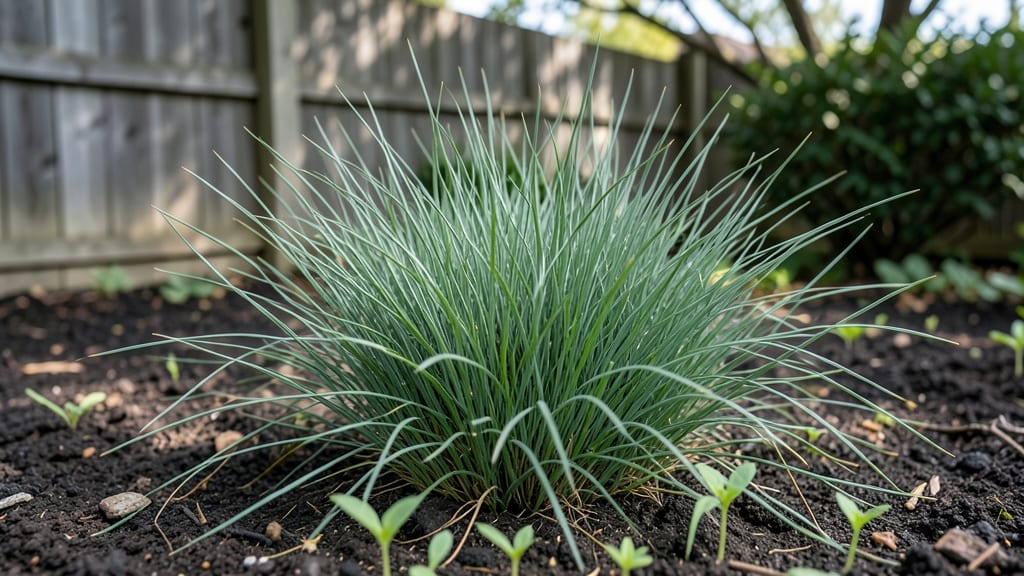
Planting grass seeds in the spring at the right time ensures fast root establishment and a thick, healthy lawn—so timing matters more than you might think.
Picture this: you’ve prepped the soil, chosen the perfect seed blend, and are ready to roll. But if you plant too early, a late frost will wipe out your progress. Too late, and the summer heat will stress the young grass before it even takes hold.
The difference between a lush lawn and a patchy mess often comes down to those few weeks in spring.
In USDA Zone 6a, like many northern regions, the ideal window opens 4-6 weeks before your last frost date—typically mid-April for most areas. But if you’re in a warmer zone, like the South, you might start as early as February.
The key? Soil temperature should stay above 50°F (10°C) consistently, and frost risk should be minimal.
Below, I’ll break down the exact planting timeline for your heat zone, soil prep secrets to speed up germination, and a 7-day care plan to keep your new grass thriving—no guesswork, just results.
Spring grass seed planting timeline by USDA heat Zones: exact weeks for optimal germination
Getting your grass seeds in the ground at the right time is everything—especially when USDA heat zones create such dramatic differences in spring conditions.
In Zone 3, where frosts linger until May, you’ll want to plant 4-6 weeks before your last frost date, while Zone 10 gardeners can sow as early as mid-February to avoid summer heat stress.
The key is understanding your zone’s soil temperature thresholds (ideal: 55-75°F) and avoiding those critical avoid periods when germination stalls.
For northern regions (Zones 3-6), timing is all about frost-free windows. Southern zones (7-10) focus on heat avoidance—planting too early risks seed drying before roots establish.
My rule? Always check your local last frost date and adjust by 3-4 weeks for cool-season grasses like Kentucky bluegrass or fescue, which germinate faster in cooler soil.
Here’s the breakdown you need—exact planting weeks by zone, plus soil prep tips to maximize your success rate:
| USDA Zone | Planting Window | Soil Temp Range (°F) | Avoid Period | Key Prep Step |
|---|---|---|---|---|
| Zones 3-4 | Late April - Early May | 55-65°F | After May 15 (risk of heat stress) | Test soil pH (6.0-7.0) |
| Zones 5-6 | Early April - Mid-May | 60-70°F | After June 1 (dormancy risk) | Aerate compacted soil |
| Zones 7-8 | Mid-February - Early April | 65-75°F | After April 15 (heat shock) | Add compost (2-3 inches) |
| Zones 9-10 | Mid-January - Mid-February | 70-80°F | After March 1 (desiccation) | Use shade cloth if needed |
In Zones 3-4, where winters are harsh, I recommend planting cool-season grasses like tall fescue as soon as the ground thaws but before May 15. The soil should stay consistently 55-65°F for 2-3 weeks post-planting—any hotter, and seeds risk drying out before roots form.
Pro tip: Use a soil thermometer to monitor temps daily.
Southern zones (7-10) have a narrower window because warm-season grasses like Bermuda or Zoysia need to establish before summer’s 90°F+ heat sets in. Plant in January-February when soil temps hover around 70-80°F, and avoid sowing after March 1—the risk of seed desiccation skyrockets.
In my Zone 9 garden, I’ve seen germination rates drop by 40% when planted after this cutoff.
Regional variations matter too. For example, Pacific Northwest gardeners in Zone 7 can plant 2-3 weeks earlier than those in Midwest Zone 7 due to cooler coastal soils. Always check your local ag extension service for hyper-local adjustments—even a 5°F difference can shift your ideal window by 1-2 weeks.
One mistake I see often? Planting too early in Zones 5-6 and hitting a late frost. Cool-season grasses can handle light frosts (28-32°F), but a hard freeze (<28°F) will kill new shoots.
To hedge your bets, I plant 20% of my seed in a protected microclimate (like near a south-facing fence) if early spring looks risky.
After planting, focus on consistent moisture—water lightly twice daily for the first 7 days to keep soil evenly damp (not soggy). In Zones 9-1
5 Signs your spring soil is ready for grass seeds (and 3 common mistakes to avoid)
Spring is the perfect time to plant grass seeds, but rushing can lead to poor germination and weak growth. Before you sow, check if your soil meets the 5 key conditions for success.
The right soil temperature, moisture, and texture create an ideal environment for seeds to sprout and establish roots quickly.
Start by testing your soil temperature—most grass seeds need the ground to be at least 55°F (13°C) for consistent germination.
Use a soil thermometer to check the top 2 inches of soil, especially in cooler climates where frost can still linger. Moisture levels are equally critical; dry soil prevents seeds from absorbing water, while soggy soil can drown them.
Now, let’s address the 3 biggest mistakes that sabotage spring grass planting. Skipping soil prep, planting too early, or ignoring frost risks can turn your lawn project into a costly failure. Here’s how to avoid them:
⚠️ 3 Deadly Mistakes to Avoid When Planting Grass Seeds in Spring
- Planting too early – Frost can kill new seedlings. Wait until 4-6 weeks after your last frost date.
- Ignoring soil compaction – Compacted soil blocks roots. Aerate before planting for better seed-to-soil contact.
- Overwatering or underwatering – Keep soil consistently moist (not soggy) until seeds germinate (7-21 days).
🌱 Pro Tip: Test soil moisture by squeezing a handful—it should hold together but not be dripping wet.
Next, examine the texture of your soil. Grass seeds thrive in well-draining soil with a loamy texture. If your soil feels clay-heavy (sticky when wet) or sandy (falls apart easily), amend it with compost or peat moss to improve structure.
A simple jar test can reveal drainage issues: Fill a jar with soil and water, then observe how quickly water drains.
Pay attention to sunlight exposure in your planting area. Most grass varieties need 6+ hours of direct sunlight daily to grow thick and healthy. Shady spots may require shade-tolerant grass types like fine fescue. Use a sunlight tracker for a week to map your yard’s light conditions before planting.
Finally, check for pests or weeds lurking in your soil. Remove existing weeds by hand or with a pre-emergent herbicide (applied 2 weeks before planting).
Look for signs of grubs, ants, or mole activity, which can damage new seedlings. A quick inspection with a small shovel can reveal hidden threats.
Once you’ve confirmed your soil is ready, use a pre-planting checklist to ensure nothing is overlooked. Start by marking your planting area, then proceed with seed sowing, light raking, and gentle watering.
With the right conditions, your grass seeds will germinate in 7-21 days, giving you a head start on a vibrant spring lawn. 🌱