
Plants
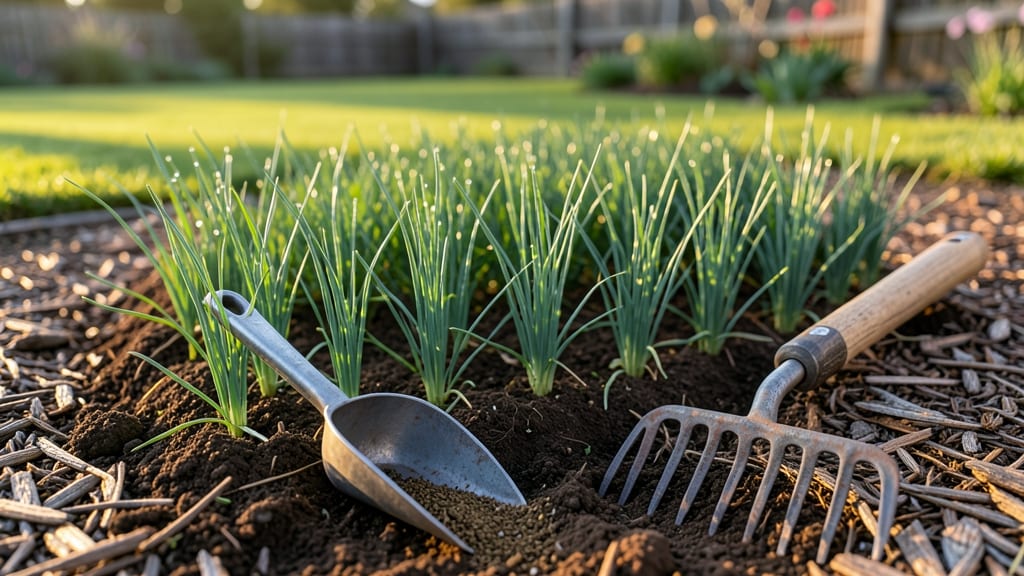
Planting grass seed in the fall is the fastest way to a thick, green lawn—but the timing must be just right to avoid weak roots before winter.
Picture this: you’ve spent hours choosing the perfect seed blend, prepping the soil, and even aerating. But if you plant too early, weeds steal the show; too late, and frost locks out those tender roots.
The 4-6 week window before your first frost is your golden opportunity, but it shifts depending on whether you’re in Zone 6a or further south.
Why fall? Cooler air, fewer weeds, and moisture that sticks around—it’s nature’s perfect setup for grass to establish strong roots before winter. But missing the mark means struggling with patchy growth or even frost damage.
Here’s how to nail your planting schedule, from soil temps to regional tweaks, so your lawn wakes up lush next spring.
In this guide, you’ll discover the exact heat zone timeline for planting cool-season grasses, plus the 3 critical prep steps that make the difference between a lawn that thrives and one that fights just to survive. Let’s get started.
Best fall grass seed planting dates by USDA heat Zone
Fall planting gives cool-season grasses like Kentucky bluegrass and tall fescue the perfect head start. But timing matters—plant too early, and weeds steal the show; too late, and roots won’t establish before frost.
Your USDA heat zone dictates the ideal window, with northern climates (Zones 3–6) getting a longer fall than southern regions (Zones 7–10). Let’s break it down by zone so you can plant with confidence.
For Zones 3–5, aim for late August to mid-September. These areas experience earlier frosts, so you’ve got a 4–6 week window before the ground freezes.
In Zones 6–7, you can stretch planting into early October, while Zones 8–10 might even squeeze in seed by mid-November—though watch for unseasonable cold snaps that can damage tender seedlings.
Here’s the key rule: Soil temps should stay above 50°F (10°C) for 4–6 weeks after planting. Use a soil thermometer to check—if temps dip below 40°F (4°C), germination slows dramatically. In southern zones, late fall rains can also wash away seed, so prioritize early October plantings.
🌱
In northern zones (3–6), late August is your best bet—cool nights and warm days create ideal germination conditions. If you miss this window, early September is your backup, but be ready to protect seedlings with frost cloth if temps drop below 40°F (4°C).
For southern zones (7–10), October is safer than November, as winter rains can erode newly planted seed.
Pro tip: Check your local frost date (use the USDA Plant Hardiness Map) and count backward 4–6 weeks. For example, if your first frost is November 1, plant by September 15.
This ensures roots establish before dormancy. In Zone 10, where frosts are rare, September–October works, but warm-season grasses like St. Augustine may need spring planting instead.
Adjust for microclimates, too. A shady yard stays cooler longer, so plant 1–2 weeks later than sunny areas. Conversely, southern exposures warm up faster—plant 1 week earlier to avoid heat stress.
Always test soil moisture before planting; dry soil in Zone 8 can delay germination just as much as frost in Zone 5.
Once you’ve picked your window, prep your lawn by mowing short (1–1.5 inches), aerating, and adding compost or starter fertilizer. Water lightly after planting to settle seed, then keep soil consistently moist (not soggy) until sprouts appear—usually 7–21 days, depending on grass type and weather.
In drought-prone zones (9–10), mulch with straw to retain moisture.
🌿
Remember: Fall planting isn’t just about timing—it’s about giving grass roots a head start. By aligning your seed drop with your heat zone’s frost window, you’ll skip the spring rush of competing with weeds and heat stress.
Whether you’re in frost-prone Minnesota (Zone 4) or mild Florida (Zone 10), these dates ensure your lawn wakes up thicker and greener next spring.
✂️
How to prepare your lawn for fall grass seed success
Fall is your golden opportunity to grow a lush, thick lawn—but only if you prep correctly. Cool soil temperatures and reduced weed competition create perfect conditions for grass seed germination.
Skipping prep steps means poor root establishment and wasted seed. Let’s break down the essential tasks to ensure your lawn thrives before winter.
Start with soil testing to check pH and nutrient levels. Most cool-season grasses like Kentucky bluegrass and tall fescue thrive in pH 6.0–7.0. If your soil is too acidic, amend it with lime 4–6 weeks before planting.
For sandy or compacted soil, mix in compost to improve moisture retention and structure.
- 1. Test Soil: Use a soil test kit to check pH and nutrients. Adjust with lime or sulfur as needed.
- 2. Mow Low: Cut grass to 1.5–2 inches to remove thatch and expose soil for better seed contact.
- 3. Aerate Soil: Rent a core aerator to create ½-inch holes every 2–3 inches for seed penetration.
- 4. Control Weeds: Apply pre-emergent herbicide 2 weeks before planting to prevent weed sprouts.
- 5. Spread Seed: Use a broadcast spreader for even coverage (follow package rates).
- 6. Mulch Lightly: Cover seed with ¼-inch of straw to retain moisture and protect from birds.
- 7. Water Deeply: Keep soil consistently moist (1 inch per week) until germination (14–21 days).
After testing, mow your lawn shorter than usual—aim for 1.5–2 inches—to remove thatch and create a clean surface for seed contact. This also helps reduce competition from existing grass. If your lawn has thick thatch (>0.5 inches), rent a dethatcher to break it up before aerating.
Next, aerate your lawn using a core aerator to pull out small soil plugs. This process relieves compaction and allows seeds to reach moist, nutrient-rich soil. For clay soil, aerate twice—once in early fall and again before planting. After aerating, rake lightly to smooth the surface and remove debris.
Weed control is critical in fall. Apply a pre-emergent herbicide 2 weeks before planting to block weed seeds from sprouting. For existing weeds, spot-treat with vinegar-based spray or manually pull them after aerating. Avoid post-emergent herbicides, as they can harm new grass seedlings.
Choose the right grass seed mix for your climate. Cool-season grasses like tall fescue or perennial ryegrass are ideal for Zones 3–8, while warm-season grasses (e.g., Bermuda) should be planted in late spring. Spread seed evenly using a broadcast spreader, overlapping passes for uniform coverage.
Finally, mulch lightly with straw to protect seeds from drying out and deter birds. Water lightly twice daily (morning and evening) until germination, then deep-water 1 inch per week.
Avoid overwatering, which can wash away seeds or cause disease. With these steps, your lawn will establish deep roots before winter, setting you up for a lush spring! 🌱