
Plants
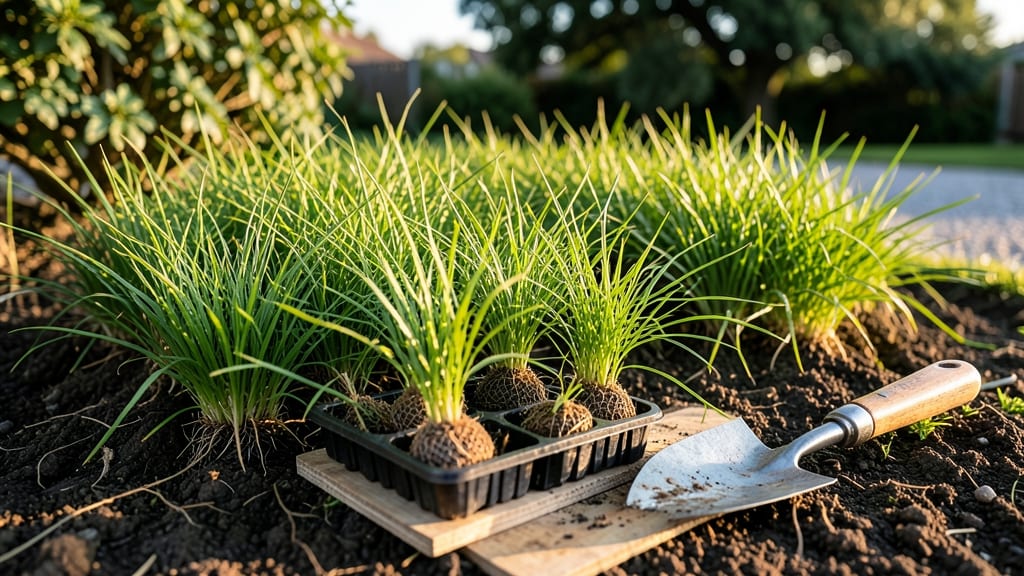
Planting grass in San Antonio at the right time means the difference between a thriving lawn and a sad, sun-scorched patch of dirt.
San Antonio’s brutal summer heat can turn your grass into a crispy disaster if you plant too early—but nail the timing, and you’ll see fast root growth and a lush lawn in just weeks.
The key is knowing when to put down seed or sod so the grass establishes strong roots before the real heat hits.
Cool-season grasses like ryegrass and fescue do best in late August to early October, while warm-season types like Bermuda and Zoysia thrive when planted in February or March. The city’s unique microclimates and alkaline soil also play a role, so preparation matters just as much as timing.
In this guide, I’ll break down the best planting windows, soil prep tips, and watering strategies to help your grass take hold—without wilting under San Antonio’s intense sun.
Best months to plant grass in San Antonio’s heat zone (with exact dates)
San Antonio’s USDA Zone 8b climate means your grass must battle 100°F+ heat and low humidity—but timing your planting right can make all the difference. The key is establishing roots before extreme heat arrives, whether you’re planting cool-season or warm-season varieties.
Miss the window, and your grass will struggle to survive the summer’s intensity.
For cool-season grasses like Tall Fescue or Ryegrass, the sweet spot is late summer to early fall—when temperatures drop but before winter dormancy sets in.
Meanwhile, warm-season grasses such as Bermuda or St. Augustine thrive when planted in early spring, giving roots time to strengthen before summer’s peak.
Why timing matters: Grass roots need 60-90 days to establish before facing consistent heat or freezing temps. Planting too early in summer risks heat stress, while planting too late in fall leaves grass vulnerable to winter dieback. San Antonio’s average last frost (Jan 15) and first frost (Dec 15) bookend the ideal windows.
Here’s the exact schedule you should follow, broken down by grass type and season:
If you’re planting Bermuda grass—one of San Antonio’s most popular choices—aim for April 15 to May 10. This gives roots 8-10 weeks to establish before summer’s brutal heat peaks in June and July.
For St. Augustine, which thrives in shadier areas, stick to April 1 to May 15 to avoid fungal diseases that flourish in hot, humid conditions.
For cool-season grasses, the September 15 to October 15 window is critical. By late October, daytime temps drop to the 70s°F, and nights cool further—perfect for seed germination and root development.
If you plant after October 15, your grass may not have enough time to harden off before winter dormancy begins.
Pro tip: Check the soil temperature before planting. For warm-season grasses, it should be at least 65°F; for cool-season, 50-65°F is ideal. Use a soil thermometer (available at local nurseries) to confirm—this small step can save you from failed germination.
One common mistake in San Antonio is planting too late in spring or too early in fall. For example, planting Bermuda grass in late May might seem safe, but by June 15, the heat will already be consistently above 95°F, stunting growth.
Similarly, planting Tall Fescue in November risks winter kill before roots establish.
To maximize success, pair your planting timeline with proper watering: deep watering 2-3 times per week for the first 4 weeks after planting. This encourages roots to grow 1-2 inches deep, making your grass drought-resistant once established.
Avoid shallow watering, which promotes surface roots that dry out quickly in San Antonio’s clay-heavy soil.
Remember: The first 30 days after planting are the most critical. During this time, your grass’s root system forms the foundation for its lifespan. Get it right, and you’ll enjoy a thick, green lawn that survives San Antonio’s triple-digit summers
How to prepare your soil for fast grass root growth in San Antonio’s climate
San Antonio’s alkaline soil and sweltering summers can sabotage grass growth if you don’t prep properly. The key to fast root establishment lies in adjusting your soil’s pH balance, adding organic matter, and scheduling irrigation to match the city’s erratic rainfall patterns.
With the right prep, your grass will develop deep roots before the heat peaks, making it resilient against drought and foot traffic.
Start by testing your soil pH—San Antonio’s clay-heavy soil often tests 7.5 or higher, which is too alkaline for most grasses. Aim for a 6.0 to 7.0 range to unlock nutrient availability.
If your soil is too alkaline, sulfur-based amendments or peat moss can help lower the pH gradually over 4-6 weeks before planting.
Step-by-Step Soil Prep for Fast Grass Roots
- 1 Test Soil pH – Use a digital pH meter or send a sample to a local extension office. San Antonio’s soil is often alkaline (7.5+), so aim for 6.0–7.0 for optimal grass growth.
- 2 Amend Alkaline Soil – Mix in 2–3 inches of compost or peat moss to lower pH and improve drainage. For stubborn alkalinity, add elemental sulfur (0.5 lbs per 100 sq ft) and water deeply.
- 3 Loosen Compacted Clay – Rent a rototiller to break up 6–8 inches of topsoil. Clay soil compacts easily, so add coarse sand (50% sand, 50% soil) if drainage is poor.
- 4 Apply Pre-Plant Fertilizer – Use a slow-release fertilizer (10-10-10) at 1 lb per 100 sq ft. Focus on phosphorus to boost root growth before seeding.
- 5 Schedule Deep Watering – Water 1–1.5 inches per week (morning only) to prevent fungal growth. Use a soaker hose to deliver moisture directly to roots.
- 6 Mulch Lightly – Spread ¼-inch straw mulch to retain moisture and regulate soil temperature. Avoid thick layers, which can smother new grass seedlings.
San Antonio’s clay-heavy soil holds moisture like a sponge, but it also compacts easily, suffocating young roots. To combat this, mix coarse sand or perlite into the top 6 inches of soil before planting.
This improves aeration and drainage, helping roots penetrate deeper. I’ve found that adding biochar (a charcoal-like amendment) also helps—it retains water and nutrients while preventing compaction.
Don’t skip the pre-planting fertilizer. A balanced 10-10-10 NPK ratio ensures your grass gets the phosphorus it needs for root development right from the start. Apply it evenly across the soil surface and lightly rake it in.
For an extra boost, top-dress with a compost-tea mix to introduce beneficial microbes that break down nutrients faster.
After planting, irrigation scheduling becomes critical. San Antonio’s unpredictable rainfall means you can’t rely on nature alone. Water deeply 2–3 times per week (early morning) to encourage roots to grow downward.
Avoid shallow watering, which promotes shallow roots that dry out quickly in the summer heat. A smart sprinkler system with soil moisture sensors can automate this for you.
With these steps, your grass will establish deep, drought-resistant roots in as little as 3–4 weeks, giving it a fighting chance against San Antonio’s 100°F+ summers. The key is patience—don’t rush the process, and your lawn will reward you with lush, resilient growth all year round. 🌱