
Plants
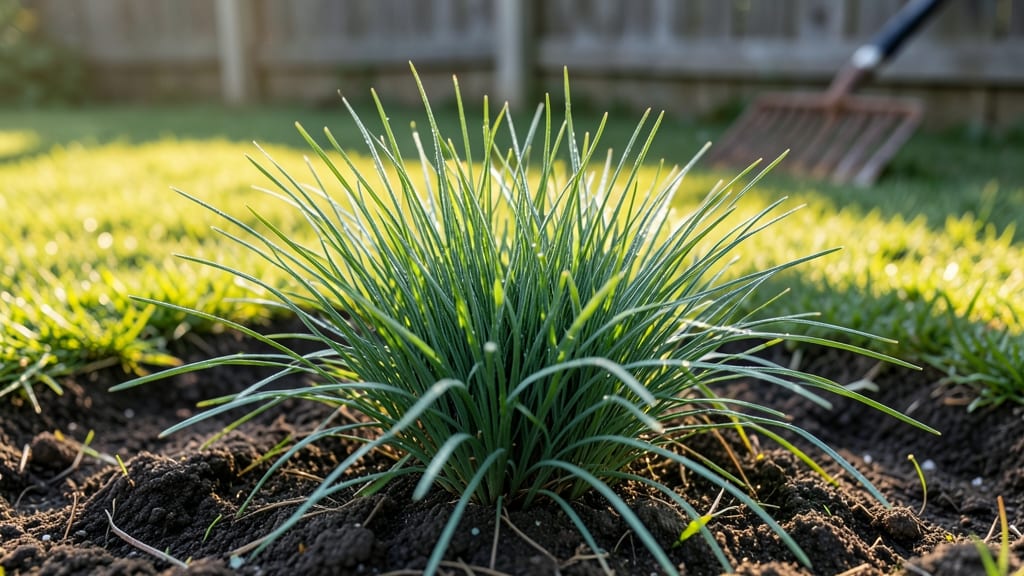
To plant grass in Northern California, aim for late summer to early fall or early spring when soil temperatures are ideal for germination.
Planting grass at the wrong time can mean wasted effort, uneven growth, or even failed germination—so timing your project right is everything. The coastal fog and inland heat create wildly different windows, and one misstep can leave you staring at bare patches for months.
Cool-season grasses like fescue thrive in Northern California’s mild winters, while warm-season types like Bermuda struggle in the region’s cooler summers. Knowing your microclimate—whether you’re in the Bay Area’s 8a zone or the Sacramento Valley’s 9b—makes all the difference.
Here’s how to choose the perfect window for your lawn, from soil prep to avoiding common pitfalls that turn green dreams into brown disappointments.
Best months to plant grass in Northern California by region
Northern California’s diverse microclimates—from foggy coastal areas to hot inland valleys—make timing your grass planting critical for success. Coastal regions like San Francisco and Mendocino have milder winters, while inland zones like Sacramento and Fresno face hotter summers.
Even mountain areas (e.g., Tahoe) have unique frost risks. Planting outside these windows risks poor germination, drought stress, or fungal diseases from inconsistent moisture.
For cool-season grasses (like fescue and bluegrass), the ideal window is late summer to early fall (August–October), when soil stays warm but daytime temps are cooling. Warm-season grasses (e.g., Bermuda) thrive when planted in early spring (March–April), avoiding summer’s drought conditions.
Below, I break down the best months by region, including soil temperature, rainfall patterns, and frost risks to guide your schedule.
In coastal regions, like San Francisco or Santa Cruz, the mild ocean breezes extend the growing season. I recommend planting cool-season grasses in September–October to take advantage of consistent rainfall (2–4 inches/month) and cooler soils (60–75°F).
Avoid planting in summer—evenings can drop to 50°F, shocking seedlings. For spring planting, aim for March–April when frost risks fade and soil warms.
For the Bay Area, including Berkeley and Palo Alto, August–September is ideal for fall planting because daytime temps stay above 70°F while nights cool.
If you plant in spring, February–March works best—just be prepared for foggy conditions that can delay germination. Watering becomes critical here; the area’s 1.5–3 inches of monthly rainfall often isn’t enough during dry spells.
The Sacramento Valley, including Davis and Stockton, has hotter, drier summers (up to 100°F in July), so fall planting (September–October) is your best bet.
The soil stays warm enough for root establishment (68–78°F) while afternoon rains provide moisture. Spring planting in March–April is risky if summer drought hits early—irrigate deeply 2–3 times per week until roots establish.
Mountain areas like Lake Tahoe or the Sierra Nevada have shorter growing seasons and late frosts (sometimes until
How to prepare your soil for Northern California grass planting
Northern California’s diverse microclimates—from coastal fog to inland heat—mean your soil needs special attention before planting grass seeds or sod. Clay-heavy soils in the Central Valley or sandy coastal areas both require unique prep to ensure strong root growth.
The key? Testing your soil pH, improving drainage, and choosing the right grass type for your climate zone.
Most cool-season grasses (like tall fescue or Kentucky bluegrass) thrive in Northern California’s mild winters, while warm-season grasses (such as Bermuda) need summer heat to establish.
Your soil’s health directly impacts which grass will succeed—and how quickly it grows. Let’s break down the step-by-step prep to set your lawn up for success.
Step-by-Step Soil Prep for Northern California Grass
-
Test Your Soil pH
Use a soil test kit (available at garden centers) to check pH. Ideal range: 6.0–7.0 for most grasses. Northern California’s clay soils often test alkaline—amend with sulfur or peat moss if needed.
-
Break Up Compacted Soil
Rent a rototiller or use a garden fork to loosen the top 6–8 inches of soil. This improves root penetration and prevents waterlogging in clay-heavy areas like Sacramento.
-
Amend with Organic Matter
Mix in 2–3 inches of compost or well-rotted manure to boost fertility. For sandy coastal soils, add peat moss to retain moisture. Avoid fresh manure—it can burn young grass roots.
-
Level and Rake the Surface
Use a lawn rake to create a smooth, level surface. Fill low spots with a mix of sand and topsoil to prevent water pooling, which invites fungal diseases.
-
Choose Your Grass Type
Cool-season grasses (e.g., fescue) are best for coastal and inland areas (plant March–April or September–October). Warm-season grasses (e.g., Bermuda) suit hotter inland zones—plant in late spring after soil warms.
-
Set Up Irrigation
Install a drip system or sprinklers to deliver 1–1.5 inches of water weekly. Northern California’s drought risks mean overwatering is as bad as underwatering—aim for deep, infrequent watering to encourage deep roots.
-
Protect New Grass
Cover seeds with straw mulch (not hay) to retain moisture and shield from wildlife or wind. Remove mulch once grass reaches 3–4 inches tall to avoid smothering.
One of the biggest mistakes I see in Northern California lawns? Skipping the soil test and assuming the ground is ready. Clay soils in the Central Valley can bake hard in summer, while coastal sandy soils dry out too quickly.
By following these steps, you’ll create the perfect foundation for your grass to thrive—whether you’re planting cool-season fescue in the Bay Area or heat-loving Bermuda in the Sacramento Valley.
Remember: Northern California’s microclimates mean your neighbor’s “perfect lawn” might not work for you. Adjust watering based on your specific zone—coastal areas need more frequent light watering, while inland zones may tolerate longer dry spells once established.
With the right prep, your grass will grow lush and resilient all season long. 🌱