
Plants
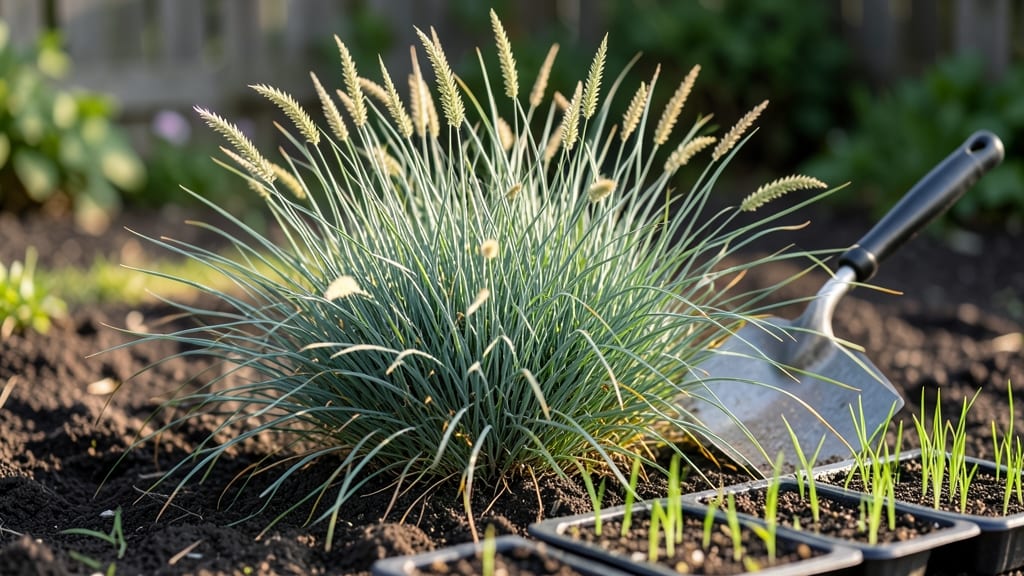
Planting grass in Oklahoma during early spring or fall gives your lawn the best shot at thriving—before the summer heat or winter cold sets in.
If you’ve ever watched your grass struggle through Oklahoma’s brutal summer or freeze under an early frost, you know timing is everything. Get it right, and you’ll see fast establishment with a lush, green lawn; get it wrong, and you’ll waste seeds and money on patchy, weak growth.
With Oklahoma’s 6a-8a climate zones, the ideal window is March-April for spring or September-October for fall, when soil temperatures and moisture are just right for seed germination.
But not all regions are the same—northern Oklahoma’s cooler springs and southern Oklahoma’s longer growing seasons mean you’ll need to adjust your schedule.
In this guide, I’ll break down the best months by climate zone, soil prep tips, and how to keep your grass growing strong once it’s planted—so you can enjoy that perfect Oklahoma lawn all year.
Best months to plant grass in Oklahoma by climate zone
Oklahoma’s climate varies dramatically from north to south, creating three distinct zones with unique planting windows for grass. The Northern Zone (USDA 6a-7a) has cooler springs and shorter growing seasons, while the Southern Zone (USDA 7b-8a) enjoys longer heat and earlier planting opportunities.
Even the Central Zone (USDA 7a) sits in the middle with transitional weather patterns. Understanding these differences ensures your grass establishes strong roots before extreme heat or cold sets in.
Spring planting in Oklahoma is a race against time—you’ve got just 4-6 weeks before the last frost (typically mid-March in the north, early March in the south) to get seeds in the ground.
Fall planting, however, offers a more forgiving 6-8 week window before the first frost (usually mid-November in the north, late November in the south). Both seasons require consistent moisture and soil temperatures above 55°F for germination.
In the Northern Zone, where winters linger longer, aim for late April to early May for spring planting. This gives seedlings time to establish before summer’s 90°F+ temperatures stress them.
Fall planting here shifts to September 1 to October 15, as daytime temps stay mild while nights cool down—perfect for root development. Soil temperatures must stay above 55°F for germination, so avoid planting too early when cold snaps can still occur.
Gardeners in the Central Zone have the most flexibility, with a 6-week window in both spring (March 15 to April 15) and fall (August 15 to September 30).
This zone’s transitional climate makes it ideal for mixed grass varieties, like combining Tall Fescue (cool-season) with Bermuda (warm-season). Just ensure soil temps hit 60–70°F—any cooler, and germination slows dramatically.
The Southern Zone offers the earliest planting opportunities, with February 15 to March 30 for spring and July 15 to September 15 for fall. However, summer planting requires extra vigilance—heat stress and drought conditions can kill seedlings in weeks.
Opt for drought-tolerant varieties like Buffalo Grass or Zoysia if planting in July or August. Soil temps here need to stay above 65°F, so morning planting (before 10 AM) reduces heat shock.
Rainfall patterns also shift by zone. The Northern Zone relies on 1–1.5 inches of water weekly, while the Southern Zone often needs 0.75–1.5 inches due to higher evaporation rates. Use a rain gauge to track moisture—Oklahoma’s unpredictable storms can leave patches too dry or too soggy.
After planting, keep soil consistently moist (not waterlogged) for 4–6 weeks to encourage deep root growth.
Pro tip: Test your soil’s pH level (ideal range: 6.0–7.0) before planting. Oklahoma’s clay-heavy soils often need amendments like compost or lime to improve drainage and fertility.
In the Southern Zone, where alkaline soils are common, a soil test kit ($20–$30) is worth the investment to avoid nutrient deficiencies that stunt grass growth.
Timing isn’t just about months—it’s about weather patterns. Check the National Weather Service for 10-day forecasts before planting. If a heatwave or cold snap is predicted, delay seeding until conditions stabilize.
In my experience, fall planting in Oklahoma yields the most consistent results because cooler temps reduce weed competition and <
Signs your Oklahoma soil is ready for grass planting
Oklahoma’s clay-heavy soils and unpredictable weather can make grass planting tricky, but timing it right ensures your new lawn thrives. Before you scatter seeds, check these key soil indicators to confirm your yard is ready for establishment. Skipping these steps often leads to poor germination or weed competition—both costly mistakes.
First, test your soil temperature. Grass seeds need soil that’s at least 55-65°F for cool-season grasses (like Tall Fescue) or 65-75°F for warm-season varieties (like Bermuda).
Use a soil thermometer—Oklahoma’s spring soil warms unevenly, so spot-check multiple areas. If your soil is still cold, wait a few weeks.
Next, assess moisture levels. Stick your finger 2-3 inches deep—if the soil feels dry, water it thoroughly 24 hours before planting. Oklahoma’s clay soils hold moisture well, but drought conditions can dry them out fast.
Aim for consistently damp soil, not soggy. Overwatering before planting can suffocate seeds, so balance is key.
⚠️ WARNING: Don’t Plant Too Early or Too Late! ⚠️
- 🌱 Poor germination from soil temps that are too cold or too hot
- 💧 Water waste if seeds dry out before sprouting
- 🌿 Weed competition if planted too late in spring
- 🍂 Frost damage if planted too early in fall
Weed suppression is another critical sign. If your lawn has dense weed growth, tackle it first with a pre-emergent herbicide or manual removal. Weeds steal nutrients and shade out young grass. For stubborn weeds like crabgrass, apply herbicide 2-3 weeks before planting—just follow the label carefully to avoid harming your new grass.
Finally, check for soil pH balance. Oklahoma’s soils often lean alkaline (pH 7.5+), which can hinder grass growth. Test your soil with a home pH kit or send a sample to your local Cooperative Extension office.
Aim for a pH of 6.0-7.0 for most grasses. If needed, amend with sulfur (to lower pH) or lime (to raise pH) 2-3 months before planting.
Once you’ve confirmed temperature, moisture, weed control, and pH, your Oklahoma soil is ready. Loosen the top 2-3 inches of soil with a rake or tiller, then level the area to prevent low spots where water pools.
Now you’re set for fast, even germination—and a lawn that stands up to Oklahoma’s heat and drought.