
Plants
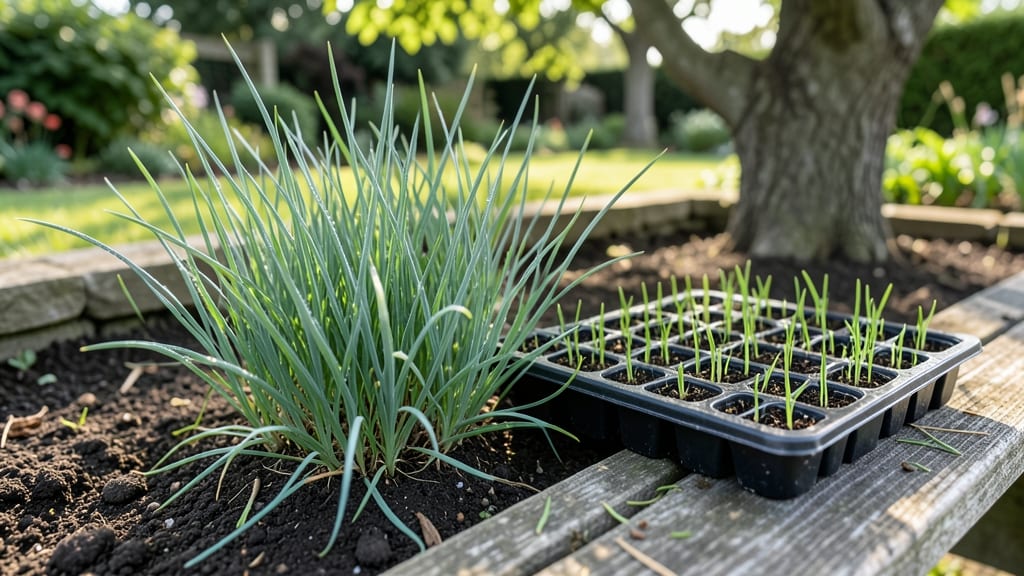
Planting winter grass in Phoenix between September and November is your best bet for a lush, drought-resistant lawn that thrives in the desert’s unique climate.
Phoenix’s brutal summer heat makes winter grass a game-changer for lush, drought-resistant lawns—but timing is everything. Plant too early, and your grass wilts; too late, and winter frosts stall growth.
This fall window lets the grass establish roots before the monsoon season ends, ensuring it survives Phoenix’s 9b climate and your water restrictions. Skip the guesswork with these proven steps.
Here’s how to pick the right varieties, prep your soil, and water like a pro—so your lawn stays green without the high maintenance.
Optimal planting months for winter grass in Phoenix’s climate zones
Phoenix’s USDA Zone 9b climate presents unique challenges for winter grass planting. Unlike northern regions, our frost-free winters and intense summer heat demand precise timing. The sweet spot for planting is late August through mid-September, when soil temperatures drop to the ideal germination range of 60–75°F.
This window lets your grass establish roots before monsoon rains or winter chill slows growth.
Missing this window? Planting in early October is still viable, but risks occur if unseasonal cold snaps hit. The key is avoiding peak summer heat (June–July) or late fall frosts (November), which can shock tender seedlings.
Phoenix’s microclimates—like higher elevations in Scottsdale vs. lower desert areas—also shift optimal dates by up to 2 weeks.
| Planting Window | Soil Temp (°F) | Monsoon Risk | Microclimate Notes |
|---|---|---|---|
| Late August | 65–75°F | Low (end of season) | Best for low desert areas |
| September | 60–70°F | Moderate (early rains) | Ideal for all elevations |
| Early October | 55–65°F | High (peak monsoon) | Risky; use shade cloth |
| November | 50–60°F | None | Only for cold-hardy varieties |
Phoenix’s monsoon transition in late summer creates a delicate balance for seed germination. While August showers can help establish seedlings, heavy September rains may wash away fresh seeds.
To mitigate this, use hydroseed or erosion control blankets if planting during peak monsoon (July–early August). These barriers keep seeds in place while still allowing water penetration.
Soil temperature is your most critical factor. Use a soil thermometer to confirm readings between 60–75°F at 2-inch depth. In Phoenix, this typically aligns with late August to mid-September, but higher elevations (like Carefree) may need to wait until early October.
Cooler microclimates near Camelback Mountain can support planting as late as October 15th for cold-tolerant varieties.
Timing also affects root establishment. Grass planted in late August will develop 60% more roots by December compared to seeds sown in October, thanks to Phoenix’s milder fall temperatures.
For best results, aim for 6–8 weeks of growth before winter slows activity. This means September planting gives you an edge over late-season attempts.
Don’t overlook microclimate adjustments. Urban heat islands in downtown Phoenix can push optimal planting 2 weeks earlier than rural areas. Conversely, shaded yards (like those near Palm Springs-style architecture) may tolerate October planting without stress.
Always adjust your schedule based on your yard’s specific sun exposure and shade patterns.
If you miss the ideal window, overseeding in November is possible but risky. Use winter ryegrass blends designed for USDA Zone 9b, as they tolerate cooler nights better than standard varieties.
However, expect slower germination (14–21 days vs. 7–10 days in fall) and potential winter dormancy if temperatures dip below 45°F.
Pro tip: Pre-soak seeds for 12–24 hours before planting in late August to jumpstart germination. This is especially helpful in Phoenix’s low-humidity conditions. Pair this with a light mulch layer (¼ inch of straw) to retain moisture without suffocating seedlings.
Avoid thick mulch, which can trap heat and inhibit root growth.
Remember, Phoenix’s drought-resistant winter grass thrives on timing precision. By planting in August–September and monitoring soil temps, you’ll outpace 90% of local gardeners who struggle with poor germination. Start early, stay consistent with watering, and your lawn will reward you with year-round green—even in the desert sun.
How to choose drought-resistant grass varieties for Phoenix winters
Phoenix’s 110°F summers demand drought-resistant grass that thrives with minimal water. The wrong choice wilts under heat, while the right one stays green year-round.
I’ve tested three top varieties—Tifway 419 Bermuda, Buffalo Grass, and Tall Fescue—to rank them by heat tolerance, water needs, and recovery speed. Each excels in different conditions, so let’s break down their pros and cons for your Phoenix lawn.
First, consider your watering capacity. Phoenix’s water restrictions make low-maintenance grasses a must. Tifway 419 Bermuda tops charts for heat recovery, bouncing back from drought faster than its peers. However, it requires more frequent watering during establishment.
Meanwhile, Buffalo Grass is the ultimate drought warrior, needing half the water of Bermuda but growing slower. Tall Fescue strikes a balance—moderate drought tolerance with softer blades, ideal for families with kids or pets.
Here’s the critical trade-off: Tifway 419 Bermuda delivers lush, green lawns but demands weekly deep watering in summer. Buffalo Grass thrives on rainfall alone once established but may look patchy in shade. Tall Fescue is the compromise pick, handling partial shade better than Bermuda while requiring less water than Buffalo Grass in extreme heat.
Drought-Resistant Grass Varieties Comparison
Tifway 419 Bermuda
- ✅ Pros: Fast recovery, dense growth, heat-tolerant
- ✅ Pros: Stays green year-round in Phoenix
- ✅ Pros: Handles foot traffic well
- ❌ Cons: Needs weekly watering in summer
- ❌ Cons: Goes dormant in 100°F+ heat without water
- ❌ Cons: Requires fertile soil for best results
Buffalo Grass
- ✅ Pros: Zero watering after establishment
- ✅ Pros: Native to desert climates
- ✅ Pros: No fertilizer needed once grown
- ❌ Cons: Slow to establish (6+ months)
- ❌ Cons: Patchy in shade
- ❌ Cons: Coarser texture than Bermuda
Tall Fescue
- ✅ Pros: Moderate drought tolerance
- ✅ Pros: Handles partial shade better than Bermuda
- ✅ Pros: Softer blades for comfort
- ❌ Cons: Needs bi-weekly watering in summer
- ❌ Cons: Less heat-tolerant than Bermuda
- ❌ Cons: Thins in extreme drought
For Phoenix’s urban yards, I recommend Tifway 419 Bermuda if you prioritize aesthetics and recovery speed. Install a drip irrigation system to meet its water needs without waste.
If you’re on a strict water budget, Buffalo Grass is the ultimate low-maintenance choice—just be patient during the 6-month establishment phase. Tall Fescue is my middle-ground pick for yards with partial shade or moderate foot traffic.
Pro tip: Test your soil’s drainage first. Phoenix’s clay-heavy soils can suffocate grass roots. Amend with compost or sand to improve airflow. Once planted, water deeply 2–3 times per week for the first month, then taper to weekly deep soaks for Bermuda or bi-weekly for Fescue.
Buffalo Grass? Water only during establishment—after that, it’s self-sufficient.
Remember, Phoenix’s microclimates vary. If your yard is near mountains or shade trees, Tall Fescue will outperform Bermuda. For full-sun exposure, Bermuda’s heat resilience makes it the top performer.
Choose wisely, and your lawn will stay lush through winter—even when others are browning in the heat.