
Plants
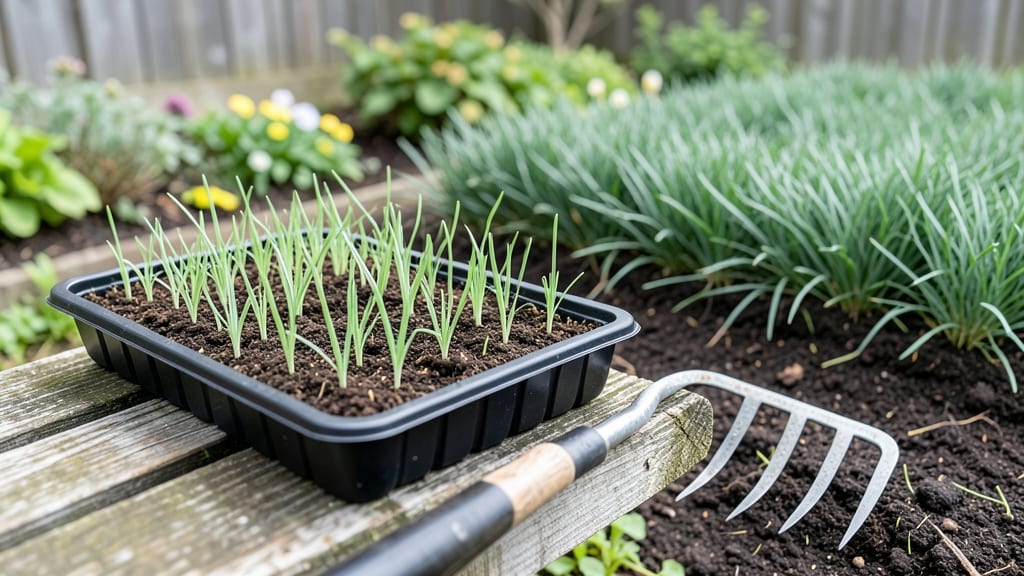
Planting grass in Connecticut requires precision timing to outsmart the state’s tricky frost dates and unpredictable spring weather 🌱.
Timing your grass planting in Connecticut can mean the difference between a lush, green lawn and struggling seedlings—especially with the state’s unpredictable spring frost dates.
If you wait too late in spring, late frosts can kill young shoots, while planting too early risks cold soil and poor germination. The key is planting 4-6 weeks before the average last frost date, which in Connecticut’s 5b-6b zones typically falls between mid-March and early April for spring planting.
In this guide, I’ll walk you through the exact frost-free timeline by zone, soil prep tips for Connecticut’s clay-heavy soil, and how to adjust for coastal vs. inland microclimates—so you can get your lawn off to the best possible start.
Connecticut grass planting timeline: frost-free dates by zone
Connecticut’s three USDA hardiness zones (5b, 6a, and 6b) create distinct windows for planting grass seed. Getting the timing right ensures your lawn establishes before summer heat or winter frost strikes.
The average last frost dates vary by region, with inland areas like Hartford typically warming earlier than coastal New Haven or Litchfield Hills.
For cool-season grasses (like Kentucky Bluegrass and Fescue), the best planting times are either early spring (March-April) or early fall (September-October). These periods provide moderate soil temperatures (50-65°F) and consistent moisture, which are critical for seed germination and root development.
In Zone 5b (northwest CT), where frosts linger longer, aim to plant 4-6 weeks before the last frost—usually by mid-April. In Zones 6a and 6b (southern and coastal CT), you can start as early as late March, but always check soil temperatures to avoid planting too soon.
Here’s a zone-by-zone breakdown of frost-free dates and ideal planting windows to help you plan:
Fall planting is often underestimated but offers cooler temperatures and fewer weeds. Seedlings have 6-8 weeks to establish roots before winter dormancy, so time your planting to finish by mid-October in most of Connecticut. In Zone 5b, push it to early October to avoid early frosts.
Use a soil thermometer to confirm readiness—ideal temperatures for planting are 50-65°F. If soil is too cold (<45°F), seeds may rot or fail to germinate. In coastal areas, like New Haven or Groton, watch for humidity and salt spray, which can stress young grass.
For urban areas (e.g., Hartford or Stamford), microclimates can shift planting windows by 1-2 weeks. Pavement and buildings create heat islands, so soil may warm faster. Always test your specific location by checking local weather forecasts or using a frost calendar from your county extension office.
If you’re planting in late spring (after May), opt for warm-season grasses like Bermuda or Zoysia, though they’re less common in Connecticut’s climate. For cool-season grasses, late spring planting risks summer heat stress, so focus on watering deeply (1-1.5 inches per week) and mulching to retain moisture.
Pro tip: Mark your calendar 4-6 weeks before the average last frost date in your zone. This gives you time to prepare soil, choose the right seed, and adjust for local conditions—whether that’s urban heat, coastal winds, or valley frosts.
🌱
How to adjust grass planting for Connecticut’s microclimates
Connecticut’s diverse geography—from coastal shorelines to inland valleys—creates unique microclimates that demand tailored grass planting strategies. Coastal areas like Groton or New London experience milder winters and later frosts, while inland zones like Hartford or Litchfield face colder soils and earlier freezes.
Even urban heat islands in Bridgeton or Stamford can delay frost by weeks.
To succeed, you’ll need to adjust planting timelines, seed choices, and frost protection based on your specific location. For example, coastal regions can plant 2-3 weeks earlier than inland areas, while urban heat pockets may require shade-tolerant varieties that handle reflected heat.
Let’s break down the key adjustments for each microclimate type.
Coastal vs. Inland vs. Urban Grass Planting
Coastal Areas
- ✅ Pros: Later frost dates (May 1-15)
- ✅ Pros: Warmer soil in spring
- ❌ Cons: Salt air damage risk
- ❌ Cons: Sandy, fast-draining soil
Inland Valleys
- ✅ Pros: Richer, clay-heavy soil
- ✅ Pros: Earlier frost protection
- ❌ Cons: Colder soil temps
- ❌ Cons: Frost pockets in low areas
Urban Heat Islands
- ✅ Pros: Extended growing season
- ✅ Pros: Less frost risk
- ❌ Cons: Soil compaction
- ❌ Cons: Need drought-tolerant seeds
Key Adjustment:
Use soil thermometers (50°F minimum) and frost cloth for inland areas 🌡️
For coastal Connecticut, aim to plant late March to early April—this aligns with the region’s last frost dates (typically May 1-15). Choose tall fescue blends that tolerate salt spray and sandy soils.
In inland valleys, wait until mid-April to early May when soil temps consistently stay above 50°F. Here, Kentucky bluegrass mixes thrive in the cooler, clay-rich soils.
Urban gardeners should opt for drought-resistant grasses like fine fescue and plant 1-2 weeks later than rural areas due to heat retention. Always test soil moisture—urban soils dry out 30% faster than rural counterparts. A simple trick: press your finger 2 inches deep; if dry, water before planting.
Frost protection is critical for inland zones. Use row covers or straw mulch for the first 2-3 weeks after planting. Coastal areas can skip this, but add organic matter to sandy soils to retain moisture. Remember: overwatering is worse than underwatering—aim for 1 inch per week once established.
Finally, adjust your fertilizer schedule by microclimate. Coastal lawns need less nitrogen (use 10-10-10 blend), while inland areas benefit from high-nitrogen feeds (20-5-10) in early spring. Urban lawns? Stick to slow-release fertilizers to prevent runoff from frequent watering.
With these microclimate-specific tweaks, your Connecticut lawn will establish 2-3 weeks faster and handle the state’s unpredictable weather like a pro. Happy planting! 🌱