
Plants
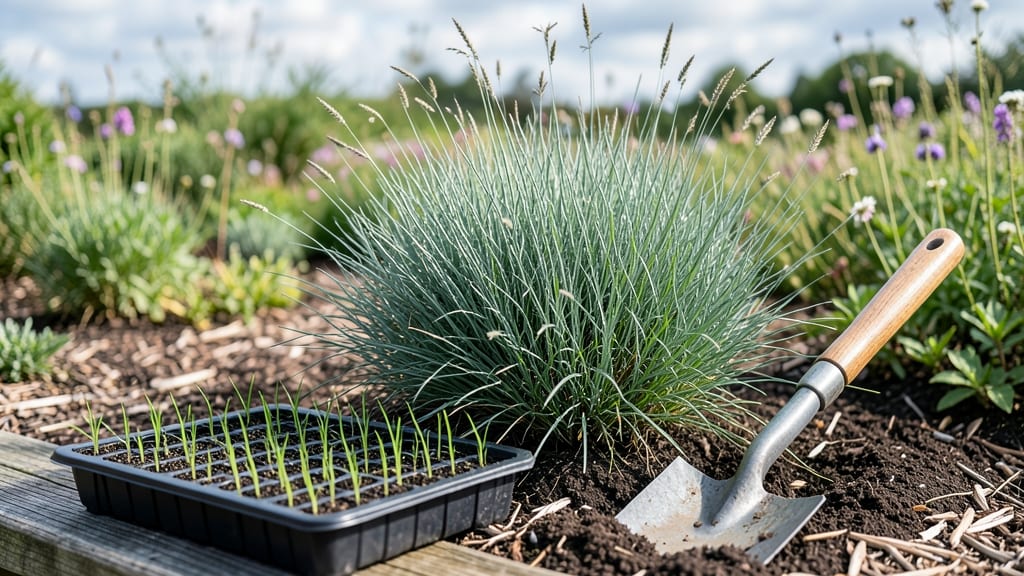
Planting grass in North Carolina at the right time ensures fast root growth and a lawn that thrives year-round—so timing is everything for a lush, durable yard.
Picture this: you’ve spent hours preparing your soil, only to watch your new 🌱 turfgrass struggle because you planted too early or too late. The difference between a thick, green lawn and a patchy disappointment often comes down to when you put that seed in the ground.
North Carolina’s climate varies from the Piedmont’s moderate winters to the Coastal Plain’s humid summers, meaning the best planting windows shift depending on your zone.
Cool-season grasses like tall fescue love the mild fall and early spring, while warm-season types like Bermuda take off once the soil warms in late spring.
In this guide, I’ll break down the exact months to plant for your region, how to prep your soil for success, and the common mistakes that kill grass plantings before they even start. Let’s get that lawn growing fast and strong.
NC heat Zone planting timeline: best months for cool vs. warm season grasses
North Carolina's diverse heat zones (7a-8b) create unique planting windows for cool-season and warm-season grasses. Timing your grass planting with soil temperatures and frost dates ensures strong root establishment and faster germination. Let's break down the ideal planting months for each grass type across NC's climate zones.
Cool-season grasses like tall fescue and Kentucky bluegrass thrive in fall planting (late August to early October) when soil temps drop below 80°F. This gives roots time to establish before winter dormancy.
Meanwhile, warm-season grasses such as Bermuda and Zoysia need late spring planting (April to May) when soil reaches 60°F+ consistently.
Soil temperature is the #1 factor for successful grass planting. Use a soil thermometer to verify conditions—cool-season grasses need 50-65°F soil, while warm-season varieties require 60-70°F. Planting too early or late can lead to poor germination and weak root systems.
Here's how NC's heat zones influence planting timing:
For Zone 7a (Piedmont region), aim to plant cool-season grasses by September 15 to ensure roots establish before first frost (typically November 1). In Zone 8a (Coastal Plain), you have until early October for cool-season planting, while warm-season grasses can go in as early as March when soil warms.
If you're in Zone 6b (Western NC), focus on fall planting (late August) for cool-season varieties. The shorter growing season means you'll need to act faster—roots need 6-8 weeks of warm soil before winter dormancy. Use a soil thermometer to track progress weekly.
Pro tip: Spring planting of cool-season grasses (March-April) is possible but riskier due to summer heat stress. If you choose this window, keep soil consistently moist and use shade cloth during peak afternoon sun to protect young seedlings.
North Carolina’s humid subtropical climate means your grass planting strategy should shift dramatically between fall and spring. In the Piedmont region, cooler temperatures arrive earlier, while Coastal areas stay warmer longer. Timing your prep work correctly ensures your new grass establishes strong roots before extreme heat or cold sets in. For cool-season grasses like tall fescue and Kentucky bluegrass, fall planting is ideal because the soil stays warm enough for germination while days grow shorter. Warm-season grasses like Bermuda and Zoysia, however, thrive when planted in late spring after the last frost. Let’s break down the exact steps for each season. In Coastal NC, where humidity lingers, prioritize fungus-resistant grass varieties like Centipede or St. Augustine. These grasses handle the region’s high heat and moisture better than others. For Piedmont lawns, focus on drought-tolerant options like tall fescue, which thrives in the area’s hot summers and cold winters. After seeding, mulch with straw (not hay) to retain moisture and protect new seedlings from birds. In fall-planted lawns, this mulch layer also insulates roots during winter. For spring plantings, remove mulch after germination to prevent overheating. Consistency is key—stick to your watering schedule until the grass reaches 3 inches tall. Don’t forget to monitor local weather forecasts! A sudden cold snap in Piedmont or unexpected rain in Coastal areas can derail your progress. Adjust your timeline by 1-2 weeks if needed, but never plant when soil temps drop below 55°F for cool-season grasses or rise above 90°F for warm-season types.How to prepare your NC lawn for fall vs. spring planting
🌱 Fall Prep (Late August - Early October)
🌿 Spring Prep (March - April)