
Plants
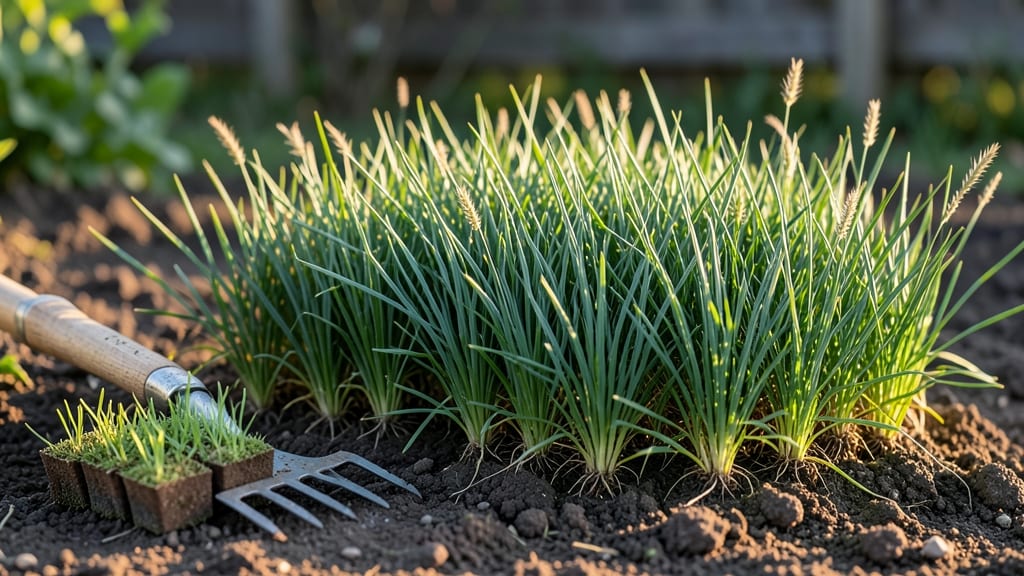
Planting grass in North Texas at the right time means the difference between a thriving lawn and a struggling one that fades under the heat.
North Texas' brutal summer heat can turn grass planting into a gamble—plant too early and face drought stress, too late and risk winter die-off. But timing it right means lush, resilient turf that thrives despite the climate.
Cool-season grasses like Tall Fescue love the mild temperatures of fall, while warm-season types like Bermuda or Zoysia need the spring heat to establish roots. I’ll break down the exact windows for your zone, plus soil prep tricks to beat North Texas’ drought and heat challenges.
By the end, you’ll know not just when to plant, but how to give your grass the fast start it needs to outlast the Texas summers.
North Texas heat zone timeline: best months to plant cool vs warm season grass
North Texas' USDA zones 7b-8a create a unique challenge for grass planting—scorching summers and chilly winters demand precise timing. Cool-season grasses like Tall Fescue and Kentucky Bluegrass thrive in mild temperatures, while warm-season varieties such as Bermuda and Zoysia need heat to establish roots.
Missing the window can mean weak growth or complete failure.
For Dallas-Fort Worth and Waco, the ideal planting window shifts between seasons. Fall (September-October) is prime for cool-season grasses, while late spring (May-June) works best for warm-season types. East Texas' slightly milder winters extend the fall window slightly, but summer heat remains the biggest hurdle for new grass.
Planting too early risks drought stress as temperatures rise, while delaying until late fall leaves grass vulnerable to winter die-off. The key is understanding your local heat zone and adjusting the timeline by 1-2 weeks based on microclimates. For example, East Texas can plant 2 weeks later than DFW in fall due to warmer soils.
| Region | Cool-Season Grass (Fall) | Warm-Season Grass (Spring) | Key Consideration |
|---|---|---|---|
| Dallas-Fort Worth | Late Aug - Early Oct | Mid-May - Early June | Soil temps >75°F after June 15 |
| Waco | Mid-Sept - Mid-Oct | Late May - Early June | Higher elevation = cooler soils |
| East Texas | Early Sept - Late Oct | Early May - Mid-June | Warmer microclimates extend windows |
| All Regions | 4-6 weeks before frost | After soil temps >65°F | Avoid summer planting (heat stress) |
In Dallas-Fort Worth, aim to plant cool-season grass between late August and early October. This window ensures 6-8 weeks of growth before first frost (Nov 15), allowing roots to establish before winter dormancy.
For warm-season grasses, wait until mid-May to early June when soil temperatures consistently exceed 75°F—planting earlier risks heat shock.
Waco's higher elevation creates cooler soils, so adjust your fall planting to mid-September to mid-October. The spring window remains similar to DFW, but monitor soil temperatures closely—warm-season grasses need consistent warmth to germinate. Use a soil thermometer to confirm 65°F+ before planting.
East Texas gardeners enjoy a 2-week advantage in both seasons. Plant cool-season grass from early September to late October and warm-season types from early May to mid-June. The region's warmer microclimates reduce frost risk, but drought stress remains a concern—prioritize deep watering during establishment.
Regardless of region, avoid summer planting—even heat-tolerant Bermuda grass struggles when soil temps exceed 90°F. Instead, focus on late spring or fall when moisture retention is higher and temperature fluctuations are minimal.
For best results, test soil moisture weekly and adjust watering to maintain 1-1.5 inches per week during establishment.
Pro tip: Overseeding warm-season grass in late summer (August) can extend green coverage, but limit it to 10-20% of the lawn to avoid stress. Use shade-tolerant varieties like Fine Fescue in areas with partial shade, as full sun varieties struggle in DFW's intense afternoon heat.
Timing isn't just about months—it's about soil conditions. Before planting, check for soil compaction and amend with compost or sand if needed. Aerate 2-3 weeks before seeding to improve root penetration, especially in high-traffic areas where soil becomes compacted.
This prep work makes the difference between thin, patchy grass and a dense, resilient lawn.
Remember: <
How to prepare soil and choose grass types for North Texas climate challenges
North Texas' clay-heavy soil and extreme temperature swings demand careful prep before planting grass. Without proper soil prep, even the hardiest varieties like Bermuda or Zoysia will struggle to establish roots in 100°F+ heat.
The key is testing your soil's pH and nutrient levels 4-6 weeks before planting to give amendments time to work.
Start by collecting soil samples from 6-8 spots across your yard, mixing them in a clean bucket, then sending them to a lab for pH and organic matter testing.
Most North Texas soils test between 6.5-7.5 pH, but cool-season grasses like Tall Fescue prefer 6.0-7.0. Warm-season grasses like Bermuda tolerate 5.5-8.0, making them more adaptable.
When to Plant Grass in North Texas
Best for cool-season grasses. Soil stays warm for root growth but cools for top growth.
Ideal for warm-season grasses. Avoid July-August heat spikes.
Grass struggles to establish roots in 100°F+ temps. High evaporation risks.
Slow growth. Risk of frost damage before roots establish.
For clay-heavy soils, mix in 2-3 inches of compost or sand to improve drainage. Work it into the top 6 inches of soil using a tiller or broadfork.
If your soil tests low on organic matter (2% or less), add aged compost or peat moss to boost water retention and microbial activity.
Choose grass types based on your yard's sun exposure and foot traffic. Bermuda grass thrives in full sun and handles heavy use but goes dormant in winter. Zoysia is drought-tolerant and stays green longer in summer but grows slower. Tall Fescue is shade-tolerant and stays green year-round but needs more water.
After amending the soil, level the area with a lawn roller or rake to create a smooth surface. This prevents water pooling and ensures even seed-to-soil contact. For sod installation, lay pieces in a staggered pattern and secure edges with soil or landscape pins to prevent shifting during watering.
Once planted, water deeply 2-3 times weekly for the first 2-3 weeks, keeping the top 2 inches of soil moist. Avoid overhead sprinklers during peak sun to reduce evaporation. Mulch with straw to retain moisture and protect young seedlings from heat stress.