
Plants
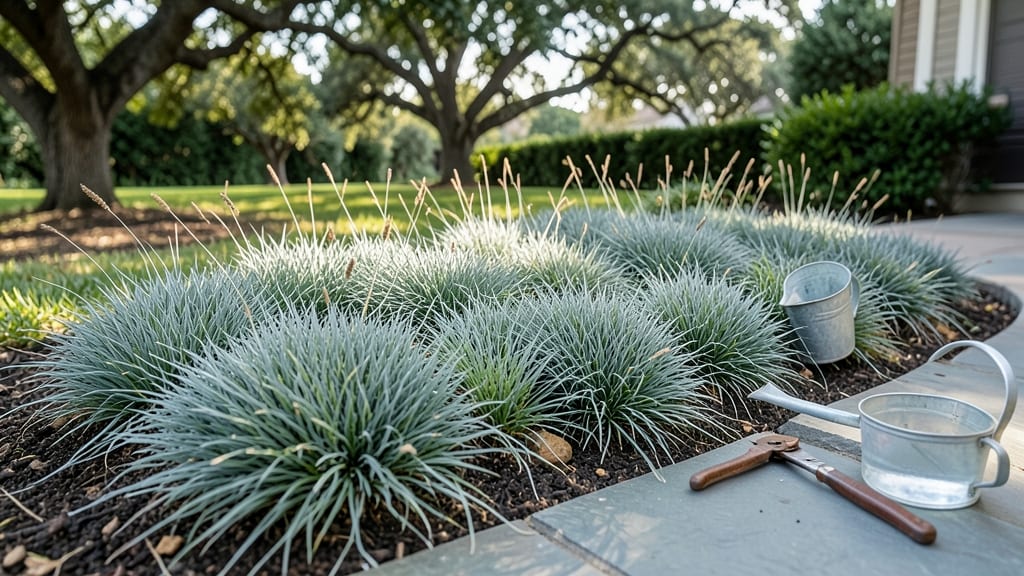
Planting buffalo grass seed in Texas at the right time is the key to a fast, lush lawn that survives the heat and drought.
Struggling to decide when to plant buffalo grass seed in Texas? Timing is everything—plant too early or too late, and your lawn could struggle with heat, drought, or weeds. Get the perfect USDA zone-specific schedule to ensure fast, lush establishment every time.
In Texas, where USDA zones range from 8a in North Texas to 10b in the South, the best window is late summer to early fall (August–October) or early spring (March–April). This avoids the brutal summer heat and gives roots time to establish before winter dormancy.
Below, I break down the exact months for your zone, soil prep tips to speed up germination, and a watering schedule that keeps your new 🌱 buffalo grass thriving—no guesswork, just results.
Best planting months for buffalo grass seed by Texas USDA zones (2023 guide)
Planting buffalo grass seed in Texas requires precision—get the timing wrong, and you risk heat stress or poor germination. Unlike cool-season grasses, buffalo grass thrives when soil temperatures drop below 85°F, making late summer to early fall the sweet spot for most Texas zones.
But your exact window depends on whether you're in North Texas (Zone 8a), Central Texas (Zones 8b-9a), or South Texas (Zones 9b-10b).
For fast establishment and drought resistance, I recommend two primary planting strategies: early spring (March–April) or late summer (August–October). Early spring gives seeds time to root before summer heat, while late summer takes advantage of cooler soil and natural rainfall.
Let’s break down the best months for each Texas USDA zone to maximize your lawn’s success.
| USDA Zone | Best Planting Window | Soil Temp Threshold | Key Considerations |
|---|---|---|---|
| Zone 8a (North Texas) | Late August–October or March–April | Below 85°F | Avoid early spring if frost risk remains; late summer benefits from cooler temps and rain. |
| Zone 8b-9a (Central Texas) | Mid-August–September or March–April | Below 80°F | Hill Country areas may need earlier planting due to rapid summer drying; monitor rainfall. |
| Zone 9b-10b (South Texas) | September–October or February–March | Below 75°F | Gulf Coast humidity extends growing season; avoid planting during peak summer heat (June–July). |
In Zone 8a (North Texas), where winters can still bring frost, I always opt for late August to October planting. This window ensures seeds germinate before first frost (typically around November 15) and avoids the scorching summer heat that can bake seeds before they sprout.
If you choose early spring (March–April), time it so seeds have 6–8 weeks of warm weather to establish roots before summer arrives.
For Central Texas (Zones 8b-9a), like Austin or San Antonio, the Hill Country microclimate demands attention. Plant in mid-August to September to capitalize on cooler soil temperatures and monsoon rains.
Early spring (March) works too, but be prepared for unpredictable rainfall—this region can swing from drought to downpours in weeks. Always check soil moisture before planting; buffalo grass hates soggy conditions.
Down in South Texas (Zones 9b-10b), where summers are relentless, September–October is your best bet. The Gulf Coast humidity keeps soil moist longer, and temperatures are finally dropping from their peak summer highs.
If you’re near the Rio Grande Valley, you can even stretch planting into early November, but avoid December—frost risk increases near the first frost date (December 25).
One critical mistake I’ve seen Texas gardeners make? Planting buffalo grass in May or June. The soil is often too hot (above 90°F), and seeds either bake or sprout too slowly, inviting weed competition.
Always check soil temperature with a soil thermometer—aim for 60–75°F for optimal germination. Pro tip: Plant in the late afternoon to reduce midday heat stress on newly sown seeds.
After planting, consistent moisture is key. Buffalo grass seeds need 1–1.5 inches of water weekly until they reach 3–4 inches tall. In North Texas, this might mean drip irrigation to combat wind; in South Texas, rely on early morning watering to prevent fungal issues from humidity.
Once established, buffalo grass becomes drought-tolerant, but those first 6–8 weeks are make-or-break.
For fastest results, pair your planting with a light fertilizer application (like 5-10-10 NPK) in early spring to boost root growth before summer. Avoid fertilizing in fall—buffalo grass goes dormant and doesn’t need extra nutrients.
And here’s a secret: Overseeding in late summer (after your initial planting) can fill in thin spots without stressing the lawn.
Remember, Texas weather is unpredictable. If you’re planting in September and a 100-degree heatwave rolls in, delay until temps drop. The goal is cool soil, moderate rainfall, and minimal weed competition. With the right timing, your buffalo grass will establish deep roots and
Critical factors that determine your planting timeline (beyond the calendar)
While generic planting charts suggest March–April or August–October for buffalo grass seed in Texas, your local microclimate often dictates the best window. The Texas Hill Country might need a later start than the Gulf Coast due to lingering summer heat.
Soil temperature isn’t just about the calendar—it’s about the depth and consistency of warmth that triggers germination.
For example, in North Texas (Zone 8a), soil temperatures can stay above 85°F well into September, delaying planting. Meanwhile, South Texas (Zone 10a) may see ideal 60–75°F soil temps as early as late July.
Rainfall patterns also shift timing—drought-prone areas like West Texas require pre-soaking seeds, while humid Gulf Coast regions risk fungal issues if planted too late.
Don’t rely solely on last frost dates—buffalo grass thrives in heat but struggles with extreme summer conditions. Aim for soil temps below 85°F at 4-inch depth, measured with a soil thermometer.
In Central Texas, this often means waiting until mid-September, while East Texas gardeners might start in early August.
⚠️ callout warning
🌡️ Soil Temp Overrides Calendar!
Planting too early when soil is >85°F causes seeds to dry out before germinating. Planting too late risks weed competition and dormancy before roots establish. Use a soil thermometer—not the air temp—to decide. Buffalo grass seeds need 60–75°F soil for optimal germination.
Your local rainfall patterns also demand adjustments. In West Texas, where summer rains are sporadic, pre-water the seedbed for 2–3 weeks before planting. Conversely, East Texas’s humid summers increase the risk of seed rot if planted after mid-September.
Check your USDA climate map—areas with 30+ inches annual rainfall (like Houston) need earlier planting than drier regions (like Lubbock).
Even within 50 miles, elevation changes matter. The Texas Hill Country (e.g., Austin) cools faster at night than flatter coastal plains, creating microclimates where seeds might germinate 2 weeks earlier in upland areas.
Use a weather station app to track nighttime lows—consistent temps above 55°F ensure seeds stay moist.
Here’s your quick checklist before planting: ☑️ Test soil temp at 4" (use a thermometer) ☑️ Check 7-day rainfall forecast (avoid planting during dry spells) ☑️ Scout for weed pressure—high competition delays grass establishment ☑️ Confirm sunlight exposure (buffalo grass needs 6+ hours daily) Adjust your timeline based on these real-time conditions, not just the calendar.