
How To
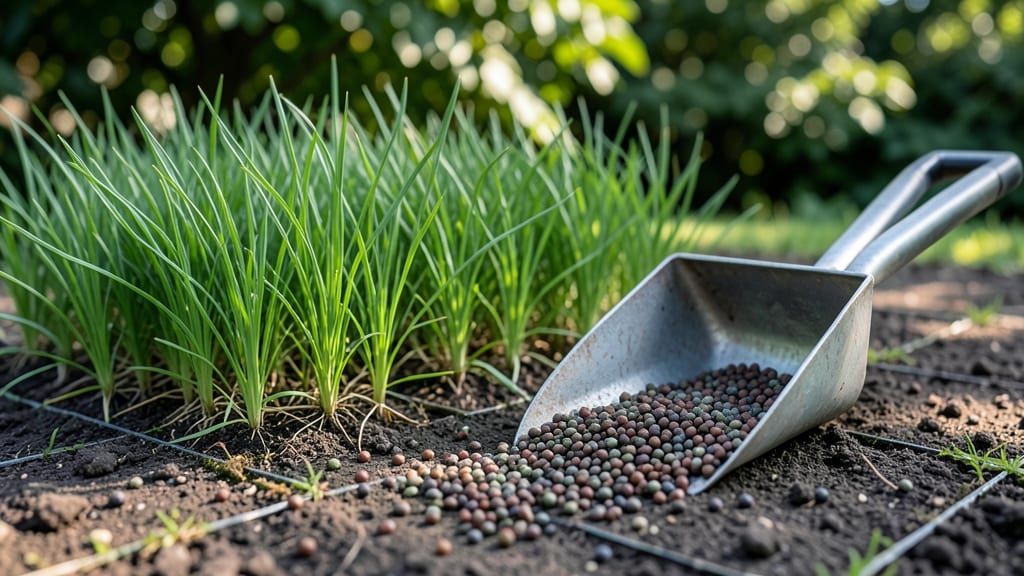
Fertilizing new fescue grass at the right time is the difference between a lush lawn and a struggling patch 🌱 — and the 4-week rule is the key to getting it right.
Planting new fescue grass is just the first step—fertilizing at the wrong time can stunt growth or even kill your lawn. Timing matters more than you think, especially when it comes to the critical 4-week window that determines whether your grass develops strong roots or weak, shallow growth.
Most gardeners rush to fertilize right after planting, but that’s a recipe for disaster. Too much fertilizer too soon burns tender roots and washes away nutrients before they can help. Instead, wait until the grass has had time to establish a root system—usually about 4 weeks after planting.
In this guide, I’ll walk you through the science behind the 4-week rule, the best fertilizers to use, and how to adjust your timing based on your climate and soil.
By the end, you’ll know exactly when to feed your fescue grass for a lawn that stays green and strong all season.
The 4-Week rule: why timing your first fertilizer application is critical
When you plant new fescue grass, the first few weeks are all about root establishment—not top growth. That’s why the 4-week rule exists: waiting this long before fertilizing ensures your grass develops a deep, resilient root system instead of weak, shallow roots that burn or struggle.
Skipping this step can turn your lush green dreams into a patchy, yellowing disaster.
Fescue grass thrives when its roots dive deep into the soil, accessing moisture and nutrients. If you fertilize too early, the high salt content in fertilizers can burn delicate seedlings or force rapid top growth without the roots to support it.
Think of it like teaching a toddler to walk before they’ve mastered crawling—they’ll fall flat on their face.
Soil temperature plays a huge role in this timing. For optimal root growth, soil should be at least 55°F (13°C)—any cooler, and your grass will struggle to absorb nutrients.
Use a soil thermometer to check, especially in cooler climates like USDA Zone 6a, where spring planting can be risky if the ground is still chilly.
Here’s the science: During those first 4 weeks, your fescue grass is focusing its energy on root development, not leafy growth. Fertilizer introduces nitrogen (N), which spurs top growth, but without a strong root system, your grass becomes vulnerable to drought, disease, and even fertilizer burn.
It’s like giving a newborn a sugar rush before they’ve had their first meal.
| Stage | Soil Temp | Fertilizer Timing | Risk if Fertilized Early |
|---|---|---|---|
| 0-2 Weeks (Seedling) | 50-55°F (10-13°C) | WAIT | Burn, stunted roots |
| 3-4 Weeks (Root Growth) | 55-65°F (13-18°C) | FIRST APPLICATION | Balanced growth |
| 5+ Weeks (Established) | 60°F+ (16°C+) | Follow-up in 6-8 weeks | Over-fertilization |
Regional adjustments are key. In warmer climates like the South, you might start fertilizing as early as 3 weeks if soil temps are ideal, but in cooler regions like the Pacific Northwest, you could wait up to 6 weeks until the ground warms.
Always check your local last frost date—planting too late in the season leaves less time for roots to establish before winter dormancy.
What happens if you break the 4-week rule? Fertilizing too early can cause fertilizer burn, turning your grass yellow or brown in patches. Too late, and your lawn misses critical growth spurts, leaving it thin and weak.
The goal is to sync fertilization with root strength, not just top growth. Think of it like training for a marathon: you don’t sprint the first mile.
Pro tip: If your soil is sandy or poor-quality, you might need to fertilize slightly earlier (around 3 weeks) to give your grass a nutrient boost. Test your soil first—low organic matter means your fescue will need extra support.
Amend with compost before planting to improve soil structure and reduce the need for early fertilization.
Timing your first fertilizer application isn’t just about throwing down granules—it’s about strategic growth management. By waiting those 4 weeks, you’re setting your fescue grass up for a lifetime of healthier roots, better drought resistance, and a lawn that stays green even through heatwaves.
Patience now means a stronger lawn later.
Remember, consistency is key. After that first application, follow up every 6-8 weeks with a balanced fertilizer (like 10-10-10) to maintain growth without overloading your grass. And always water deeply after fertilizing to help nutrients reach those deep roots you’ve worked so hard to establish.
Now that you’ve mastered the 4-week rule, your fescue grass is on its way to becoming the envy of the neighborhood. Happy growing! 🌱
Best fertilizers for new fescue grass: N-P-K ratios and organic options
Choosing the right fertilizer for your new fescue grass can make the difference between a lush lawn and patchy growth. During the first 4-week establishment period, your focus should be on root development, not rapid top growth.
This means avoiding high-nitrogen fertilizers that encourage leafy growth at the expense of roots.
For new fescue, I recommend a balanced starter fertilizer with an N-P-K ratio of 10-10-10 or 12-12-12. The equal parts nitrogen (N), phosphorus (P), and potassium (K) provide balanced nutrition without overwhelming the young grass.
Phosphorus is especially important as it promotes strong root systems, while potassium helps the grass resist stress.
When to Fertilize New Fescue Grass
Organic options like compost or fish emulsion are excellent for new fescue because they release nutrients slowly, feeding the grass over time. Compost adds beneficial microbes and improves soil structure, while fish emulsion provides a gentle boost of nitrogen and phosphorus.
For a quick organic fix, try a seaweed-based fertilizer, which also enhances stress resistance.
Slow-release fertilizers are another great choice for new fescue. These products, often coated in a polymer or sulfur layer, release nutrients gradually over 6-8 weeks. This matches the growth rate of young grass and reduces the risk of over-fertilization.
Look for products labeled as "slow-release" or "controlled-release" with a low nitrogen content (under 20%).
If you prefer synthetic options, avoid quick-release fertilizers like urea or ammonium sulfate during the first few weeks. These can cause fertilizer burn on tender new grass and may lead to uneven growth. Instead, opt for water-soluble granules or liquid fertilizers applied at half-strength for a gentler introduction to fertilization.
After the initial application, wait 8-12 weeks before fertilizing again. This allows the grass to establish a strong root system and reduces the risk of nutrient buildup in the soil. Always water your lawn thoroughly after applying fertilizer to help nutrients penetrate the soil and reach the roots.