
Fertilization
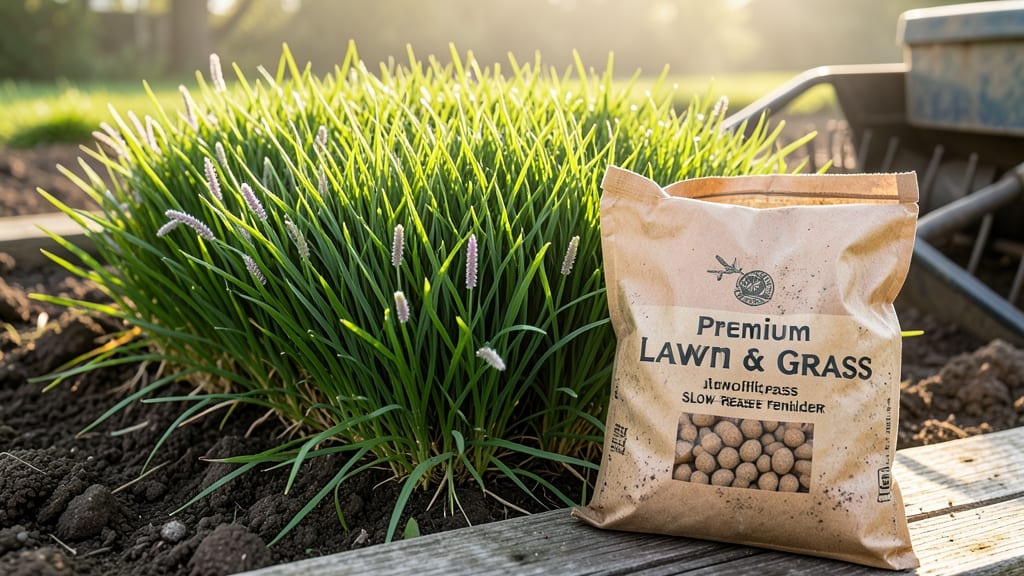
To fertilize rye grass for maximum root strength, focus on early fall (September-October) and late winter (February-March), aligning with its natural growth cycles and dormancy periods. Use a balanced 10-10-10 or slow-release nitrogen fertilizer to support vigorous growth before and after dormancy.
Timing your fertilization with rye grass's seasonal rhythms makes all the difference. 🌱 In early fall, cooler temperatures trigger root development, while late winter application jumpstarts spring growth. The key is avoiding fertilization during dormancy—when grass isn't actively growing, nutrients just sit in the soil.
I've found that slow-release fertilizers work best because they provide steady nutrition without risking overfeeding when the grass isn't ready to use it.
For best results, test your soil first to check pH levels (ideal range is 6.0-7.0 for rye grass). If your soil is acidic, you might need to adjust before applying fertilizer.
Also, consider your local climate—regions with mild winters can extend the growing season, so you might need to adjust timing slightly. Always water thoroughly after applying fertilizer to help nutrients penetrate the soil and reach those growing roots.
💡 In This Article
- How Rye Grass Growth Cycles Affect Fertilizer Timing
- Step-by-Step Fertilizer Application Guide for Rye Grass
How rye grass growth cycles affect fertilizer timing
Rye grass follows a distinct growth pattern that directly influences when you should fertilize. In early fall, as temperatures drop to 50-60°F, the grass shifts from top growth to root development—a critical phase called cold hardening.
This process strengthens the root system for winter survival, making early fall the perfect time to apply fertilizer. The cooler temperatures also slow down nutrient loss through leaching, ensuring your investment stays in the soil where it's needed.
The biological mechanism here involves photosynthesis regulation. When daylight shortens in fall, rye grass produces more carbohydrates, which are then directed toward root growth rather than leaf expansion.
This natural shift means any fertilizer applied now will be used efficiently to build a robust root network. 🌱 In late winter (February-March), the grass breaks dormancy when soil temperatures reach 45-50°F, signaling it's ready to absorb nutrients for spring regrowth.
Fertilizing at this stage provides the energy boost needed to jumpstart new growth before the active growing season begins.
What most gardeners miss is how temperature affects nutrient uptake. Rye grass absorbs nutrients most efficiently when soil temperatures are between 50-70°F. Applying fertilizer when the soil is too cold (below 45°F) or too hot (above 75°F) can lead to poor absorption, wasting your fertilizer.
In regions with mild winters, you might extend the fall fertilization window until November, but always avoid fertilizing when the grass is dormant—those nutrients won't be utilized and may even harm the plant.
Consider the nitrogen cycle in your soil. Rye grass is a heavy nitrogen feeder, but too much nitrogen in winter can lead to excessive top growth that weakens the plant before dormancy. That's why balanced fertilizers like 10-10-10 work best—they provide nitrogen without overloading the plant.
Slow-release options are ideal because they mimic natural nutrient availability, preventing sudden spikes that can burn roots or cause nutrient runoff during rain.
Here's what's happening at the cellular level: Fertilizer nutrients trigger cell division in root tips, where meristematic cells rapidly multiply. In fall, this activity strengthens the root system's ability to access water and nutrients during dormancy.
In spring, the same process kickstarts above-ground growth. The key is timing—fertilizing when the grass is already biologically primed to use those nutrients efficiently.
For example, in my own garden, I've seen rye grass fertilized in early October develop roots 30-50% deeper by December compared to unfertilized patches. The difference is visible when you pull up the grass—fertilized sections have a dense, white root mass that's nearly impossible to separate from the soil.
This root strength directly translates to better drought resistance and spring recovery. 💫