
Plants
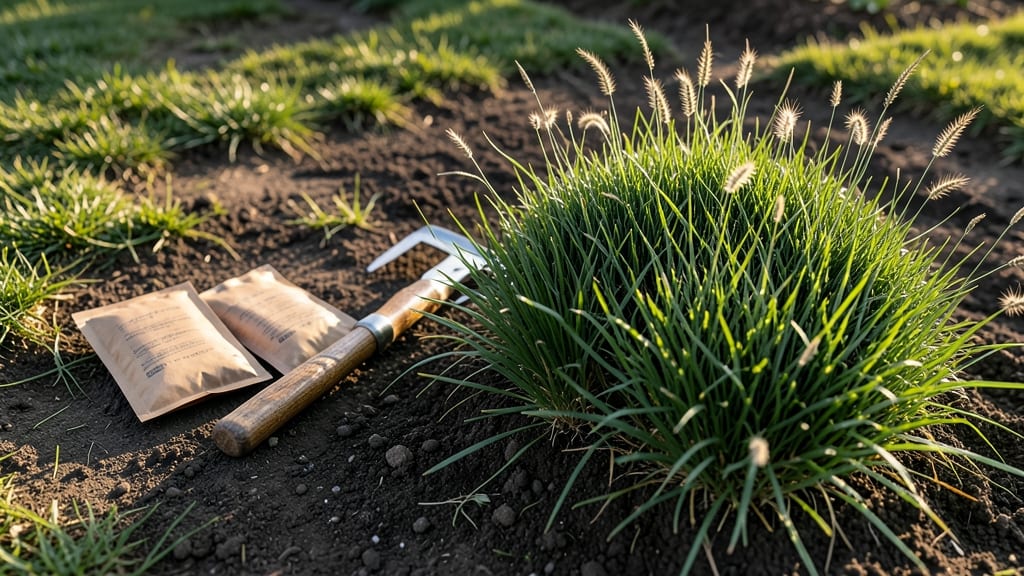
You can plant grass in the spring when soil temperatures reach 50°F and stay above freezing for at least 3 weeks—timing this window correctly ensures your lawn takes root before summer heat sets in.
Timing your grass planting just right in spring can mean the difference between a lush lawn and months of patchy growth. But with varying climates across the U.S., knowing the exact window for your zone is crucial—get it wrong, and you risk frost damage or slow establishment.
Cool-season grasses like Kentucky bluegrass or fescue thrive when planted 4-6 weeks before your last frost date, while warm-season varieties like Bermuda or Zoysia wait until soil warms to 65°F+.
In USDA Zone 6a, that’s typically mid-April, but regional shifts can push it to March or May.
Below, I’ll break down the best planting dates by climate zone, soil prep secrets to speed up germination, and 3 common mistakes that stall growth—so you can skip the guesswork and get a head start on a fast, healthy lawn.
Spring grass planting dates by USDA climate zone: exact weeks to plant for optimal growth
Planting grass in spring requires precision—timing too early risks frost damage, while waiting too long slows establishment.
The key is understanding your USDA climate zone and matching it with soil temperature thresholds. Cool-season grasses (like Kentucky bluegrass) thrive when soil hits 50°F+, while warm-season varieties (like Bermuda grass) need 65°F+ to germinate.
Let’s break down the exact weeks to plant by zone for a lush, fast-growing lawn.
Most gardeners aim to plant 4-6 weeks before the last frost for cool-season grasses, but this varies dramatically by region. For example, in Zone 3-4, you might start as early as late April, while Zone 9-10 gardeners can plant in February or March.
The goal is to give seeds 6-8 weeks of warm soil before summer heat sets in, ensuring strong root development before dormancy.
Here’s the exact planting schedule by USDA zone, including frost risk analysis and soil temperature triggers to avoid common mistakes like seed washout or fungal growth.
For Zone 3-4, where frosts linger until mid-May, plant cool-season grasses like Kentucky bluegrass in late April to avoid late-season frost. These grasses establish roots quickly in 50°F+ soil, making them ideal for northern climates.
Use a light mulch (straw) to protect seeds if temperatures dip below freezing at night.
In Zone 5-6, where last frosts typically occur in early May, aim to plant 4-6 weeks prior—so mid-April is perfect. This timing ensures seeds germinate before summer heat arrives. Tall fescue is a top choice here because it tolerates shade and drought better than Kentucky bluegrass.
Test soil pH (ideal: 6.0-7.0) before planting to avoid nutrient lockout.
Gardeners in Zone 7-8 have flexibility: plant cool-season grasses in early March or warm-season grasses like Zoysia in mid-April when soil warms to 65°F+. Overlap planting isn’t recommended—choose one type per season. For warm-season grasses, overwatering is a common mistake; these grasses prefer dry spells once established.
Southern zones (9-10) can plant Bermuda or St. Augustine grass as early as February, but avoid seeding if rainfall exceeds 1 inch/week.
These grasses thrive in 90°F+ heat and need full sun (6+ hours daily). Use a pre-emergent herbicide in late winter to block weeds before planting.
Pro tip: Use a soil thermometer to confirm temperatures before planting—cool-season grasses won’t germinate below 50°F, and warm-season types stall at 60°F. If your zone isn’t listed, check your last frost date online (USDA Plant Hardiness Map) and count back 6 weeks for cool-season grasses.
Remember, seed-to-soil contact is critical. Rake lightly after planting to ensure seeds touch the earth, then water lightly but daily (keep soil moist, not soggy). Within 10-14 days, you’ll see sprouts—proof you’ve timed it right!
How to prepare your soil and lawn for spring grass planting: 5 critical steps before seeding
Spring is the perfect time to refresh your lawn, but skipping soil prep can turn your seed investment into wasted dollars. The key to a thick, green lawn starts underground—with healthy soil that gives your grass seeds the best chance to germinate and thrive.
I’ve learned the hard way that rushing this step often leads to patchy growth or weeds taking over before your grass gets established.
Before you even think about spreading seed, focus on creating the ideal environment. This means testing your soil pH, removing debris, and ensuring proper aeration. I’ll walk you through each critical step, including when to fertilize and how to control weeds without harming your new grass.
These five steps will set your lawn up for success from day one.
- Test and adjust soil pH to 6.0-7.0 using lime or sulfur.
- Remove all debris (rocks, sticks, old plants) to prevent seed competition.
- Aerate compacted soil with a core aerator (rent if needed) for better seed-to-soil contact.
- Apply pre-plant fertilizer (high nitrogen) 2-4 weeks before seeding.
- Control weeds with pre-emergent herbicide (apply 2 weeks before planting).
A soil pH test is your first priority because grass struggles to grow in acidic or alkaline soil. I recommend using a home test kit (available at garden centers) or sending a sample to your local extension office for precise results.
If your pH is below 6.0, add pelletized lime; if it’s above 7.0, use elemental sulfur. Aim for a pH of 6.0-7.0—this range is perfect for most cool-season grasses like Kentucky bluegrass and tall fescue.
Once your pH is ideal, clear the area of rocks, sticks, and old plant debris. These obstacles create bare spots where seeds won’t make contact with soil, leading to uneven germination.
Use a rake or leaf blower to remove debris, then level the surface with a lawn roller if needed. I’ve found that a smooth, even surface helps seeds spread evenly and ensures consistent moisture absorption.
Next, aerate your lawn to break up compacted soil. Compacted soil blocks roots from penetrating deeply, which weakens your grass over time. Rent a core aerator (the kind that pulls out small soil plugs) and run it over your lawn in two directions for full coverage.
After aerating, lightly rake the holes to create a seed-friendly texture. This step is especially important if your lawn feels spongy when you walk on it.
Timing your fertilizer application is crucial—apply a high-nitrogen pre-plant fertilizer 2-4 weeks before seeding. This gives your soil time to absorb the nutrients without burning the seeds. I recommend a slow-release formula like 24-0-6 or 30-0-4.
Avoid fertilizing right before planting, as excess salts can inhibit germination. For warm-season grasses like Bermuda or Zoysia, wait until soil temps reach 65°F+ before fertilizing.
Finally, weed control is non-negotiable. Weeds compete with grass for water, nutrients, and sunlight, often choking out new seedlings. Apply a pre-emergent herbicide 2 weeks before planting to prevent weed seeds from germinating.
If weeds are already sprouting, spot-treat with a vinegar-based herbicide (safe for new grass once established). Avoid post-emergent herbicides until your grass is at least 3 inches tall.
With these five steps complete, your soil will be primed for seeding. The key is patience—don’t rush the prep work. A well-prepared lawn means faster germination, stronger roots, and a lawn that stays lush all season long. Happy planting! 🌱