
Plants
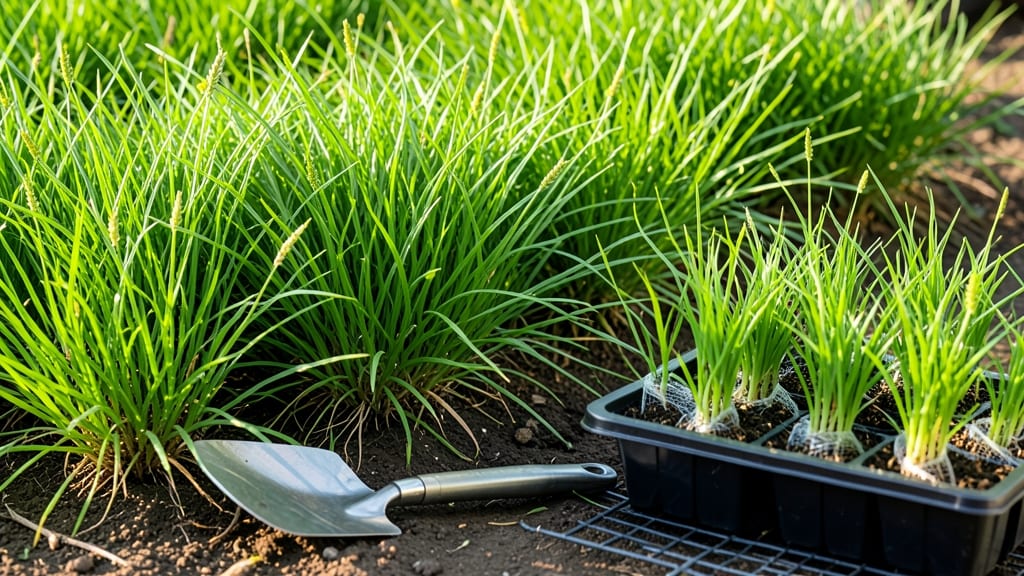
Planting Bermuda grass in South Carolina at the right time means the difference between a thick, green lawn and a patchy, slow-to-establish mess—so timing is everything.
If you’ve ever stared at a calendar in April wondering whether to hold off until May, you’re not alone. Planting too early risks frost damage, while waiting too long means heat stress before roots take hold.
For fast establishment, the window is narrow but critical: late spring to early summer, when soil temperatures hit 65°F consistently.
South Carolina’s 7b-8b zones add another layer—cooler inland areas (like Zone 7b) need to wait until mid-May, while coastal regions (Zone 8b) can start as early as late April.
Below, I’ll break down the exact months for your heat zone, plus soil prep tips to ensure 90%+ germination and avoid the most common mistakes.
You’ll also discover which Bermuda grass varieties thrive in your yard’s conditions, how to schedule watering for fast root growth, and why a single misstep in timing can set your lawn back months. Let’s get started.
South Carolina heat zones: when to plant Bermuda grass by exact months
South Carolina’s three USDA heat zones (7a, 7b, 8a) create distinct windows for planting Bermuda grass—timing that can make or break your lawn’s success. In Zone 7a (coolest), you’ll need to wait until late May, while Zone 8a (hottest) can start as early as mid-April.
The key? Soil temperatures must reach 65°F+ for germination, and air temperatures above 75°F help speed up growth.
Bermuda grass thrives as a warm-season grass, meaning it needs heat to activate its growth hormones. Planting too early in Zone 7a risks cold snaps that stunt seedlings, while waiting too long in Zone 8a may mean battling summer weeds before your grass takes hold.
Let’s break down the exact month-by-month windows for each zone, including soil prep cues and regional climate quirks.
📌 Verify Your Zone: Use the USDA Plant Hardiness Zone Map (or check your local Cooperative Extension Service)—most of SC falls into 7b or 8a, but mountain regions (like Greenville) lean toward 7a. Zone 8a covers Charleston and the coastal plains, where humidity and heat arrive earliest.
Here’s the critical data you need to time your planting perfectly, including soil temperature thresholds, rainfall patterns, and weed competition risks by zone. Miss these windows, and you’ll face slow establishment, fungal issues, or wasted seed.
In Zone 7a, the late May window aligns with when soil temperatures finally stabilize above 65°F, reducing the risk of seedling rot from lingering cool nights.
Upstate gardeners often see first germination in 7–10 days if planted correctly, but weeds like crabgrass can outcompete Bermuda grass if you delay beyond early June.
For Zone 7b, the mid-April start lets you beat summer weeds, but you’ll need to monitor soil moisture closely—April showers can lead to waterlogged conditions. A soil thermometer (available for ~$15) is your best friend here; aim to plant when temps hit 65°F for 3+ days.
Zone 8a offers the earliest window (mid-March), but rushing can backfire. Coastal areas often experience unpredictable rain in March, so prioritize well-draining soil and consider starter fertilizer to jumpstart growth. If you plant in March, expect slower initial growth due to cooler mornings, but your grass will outpace weeds by June.
Pro tip: Late April planting in Zone 8a strikes a balance—warm enough for germination but cool enough to suppress fungal diseases like brown patch. Use a pre-emergent herbicide 2 weeks before planting to block weeds, then reapply in early June for long-term control.
One common mistake? Planting Bermuda grass seeds in August. While late summer seems hot, the intense heat and drought stress can kill seedlings before they establish. Instead, opt for sod in late July if you miss the spring window—sod establishes 3x faster than seed.
Regional climate factors also play a role. For example, Charleston’s coastal breeze can dry out soil faster, while Upstate’s clay soils retain moisture longer. Always test your soil’s drainage before planting: dig a hole, fill it with water, and time how long it takes to drain.
If it’s still wet after 6 hours, amend with compost or sand.
Finally, don’t overlook mowing height after planting. Keep your new
How to prepare your lawn for Bermuda grass planting: step-by-step guide
Once you’ve locked in your planting window for Bermuda grass in South Carolina, the real work begins—preparing your lawn for 90%+ germination. Skipping even one step can leave your seeds exposed to weeds, poor soil contact, or inconsistent moisture.
I’ve planted Bermuda grass for over a decade in SC’s heat zones, and these steps are non-negotiable for fast, thick growth.
Start with a soil test—Bermuda grass thrives in pH 6.0-7.0. If your soil is too acidic (<6.0), add lime 4-6 weeks before planting. For alkaline soil (>7.0), work in sulfur or peat moss. My local extension office offers free tests, or grab a DIY kit for under $20.
Next, clear the area of existing vegetation and debris. Bermuda grass is aggressive but needs a clean slate to compete. Rent a rototiller and till the soil to a depth of 4-6 inches.
This breaks up compacted layers and ensures seeds make direct contact with moisture-rich soil. Avoid tilling when the ground is wet—it creates clumps that choke out new growth.
- 1 Test Soil pH (Target: 6.0-7.0). Adjust with lime or sulfur if needed.
- 2 Remove weeds/debris using herbicide (like glyphosate) 2 weeks before planting.
- 3 Till soil 4-6 inches deep for aeration and seed contact. Do this 1-2 days before planting.
- 4 Level the ground with a rake, filling low spots with topsoil and sloping high areas.
- 5 Schedule irrigation for 2x daily (morning/evening) to keep soil moist but not soggy.
Weed control is where most gardeners fail. Bermuda grass seeds are tiny, and weeds like crabgrass or clover will outcompete them if left unchecked. Apply a pre-emergent herbicide like pendimethalin 2-3 days before planting.
This blocks weed seeds from germinating while allowing Bermuda grass to establish. Pro tip: Water lightly after application to activate the herbicide.
Finally, set up a consistent watering schedule. Bermuda grass seeds need constant moisture to germinate, but overwatering causes rot. Use a sprinkler system or hose to deliver ¼ inch of water twice daily (early morning and late afternoon).
After germination (7-14 days), reduce to 1 inch per week. My biggest mistake? Skipping evening watering—seeds dry out too fast in SC’s heat.
With these steps, your Bermuda grass will establish twice as fast and outcompete weeds naturally. Avoid common pitfalls like planting in shady spots (Bermuda needs 6+ hours of sun) or using heavy clay soil without amendment. Now, let’s talk varieties—some handle SC’s humidity better than others!