
Lawn
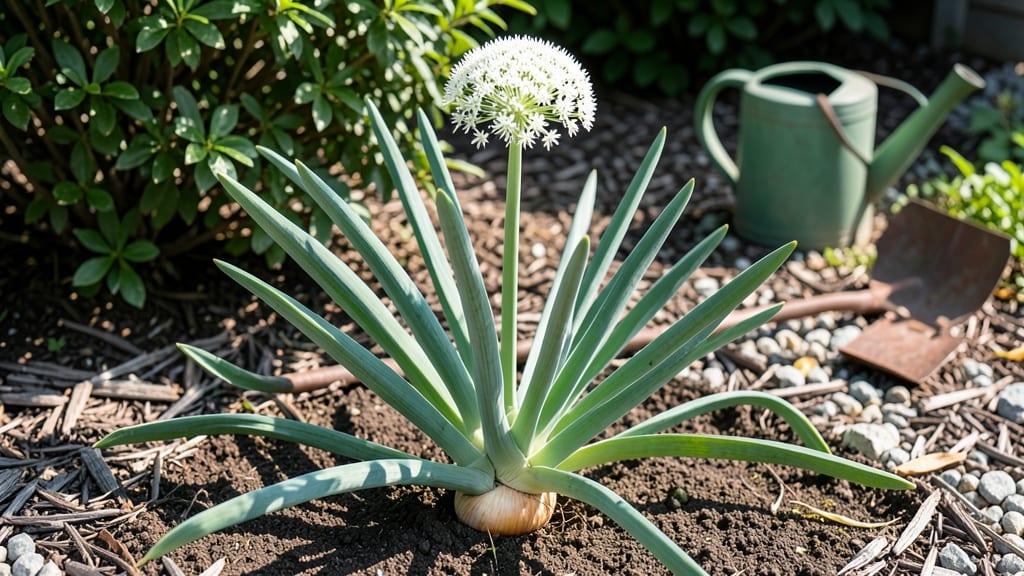
Onion grass roots spread faster than you can say "weed-free lawn." 🌱 I’ve spent too many weekends yanking out these stubborn invaders, only to watch them return with a vengeance—until I learned the real secrets to stopping them for good.
The problem starts with those sneaky, fibrous roots that creep underground, making onion grass nearly impossible to kill with a single pull. Chemical sprays work temporarily, but natural methods—like smothering with cardboard or vinegar—require consistency. The good news? Once you understand its growth patterns, you can outsmart it.
You’ll end up with a lawn that stays thick, green, and weed-resistant, not to mention the satisfaction of finally winning the turf war. The key is timing: tackle it in early spring or fall when the roots are most vulnerable.
For gardeners tired of losing to weeds, this is the game-changer you’ve been waiting for. Let’s get those roots out for good—once and for all.
Root Causes Of Stubborn Grass Growth
Understanding why onion grass roots struggle to establish—or why they seem to fail entirely—starts with digging into the environmental and biological factors at play. These issues often stem from mismatched conditions between the seed’s needs and your lawn’s reality.
Let’s break down the key culprits with clear science and actionable insights.
Onion grass roots (and most lawn seeds) thrive when soil provides three critical elements: aeration, nutrients, and moisture retention. When these are lacking, germination stalls or roots weaken.
- Compacted Soil 🏗️ Heavy foot traffic, construction equipment, or clay-heavy soils crush soil particles, reducing oxygen flow to roots. Result? Roots suffocate, and seeds struggle to break through the surface.
- Fix: Aerate before planting using a core aerator (remove small plugs of soil) to create channels for roots and water.
- Low Organic Matter 🧑🌾 Sandy or depleted soils lack the humus and microbes needed to nourish young roots. Onion grass, in particular, benefits from moderate organic content (2–5%) to support rapid growth. - Fix: Mix in compost or peat moss (2–3 inches deep) before seeding.
Avoid fresh manure—it can burn tender roots.
- pH Imbalance 🧪 Onion grass prefers a slightly acidic to neutral pH (6.0–7.0).
Soil that’s too alkaline (high pH) locks out essential nutrients like iron and phosphorus, while acidic soil (low pH) can leach nutrients away. - Fix: Test your soil with a DIY kit or send a sample to a lab.
Adjust with lime (for acidity) or sulfur (for alkalinity) 2–3 months before planting.
Onion grass is a cool-season grass, meaning it germinates best when soil temperatures hover between 55–75°F (13–24°C). Planting at the wrong time—either too early or too late—triggers dormancy or seed rot.
- Planting Too Early (Cold Soil) ❄️ If soil temps drop below 50°F (10°C), seeds may fail to germinate or sprout weakly. Even if they break through, cold stress stunts root development. - Fix: Wait until spring (after last frost) or early fall (before first frost) in most climates.
For warmer regions, aim for late summer/early fall.
- Planting Too Late (Heat Stress) 🔥 Soil temps above 80°F (27°C) can cause seeds to overheat, leading to poor germination or fungal infections. Onion grass roots also dry out faster in extreme heat. - Fix: Plant in early morning or late afternoon to reduce heat exposure.
Use a light mulch (straw) to retain moisture.
- Seasonal Dormancy 🌿 Some onion grass varieties enter a natural dormancy if exposed to prolonged heat or drought before establishing roots. This isn’t failure—it’s survival mode.
- Fix: Water deeply twice daily (morning/evening) for the first 2 weeks to encourage root growth before dormancy kicks in.
Onion grass roots need consistent moisture to germinate, but overwatering or underwatering can derail the process.
- Inconsistent Watering 💦 Seeds require 1–2 inches of water weekly (including rainfall), but uneven distribution (e.g., sprinklers skipping spots) leads to patchy germination.
- Fix: Use a rain gauge or tuna-can test to measure water output. Adjust sprinklers for overlap and water slowly to avoid runoff.
- Overwatering (Oxygen Starvation) 🚫💧 Soggy soil drowns seeds by cutting off oxygen, while poor drainage can cause fungal diseases like Pythium.
- Fix: Ensure your lawn has a slope for drainage (1–2% grade). If planting in a low spot, amend soil with perlite or coarse sand.
- Underwatering (Desiccation) 🏜️ Seeds dry out if topsoil becomes too dry, especially in windy or sunny conditions. Onion grass roots need hydration within 24–48 hours of planting.
- Fix: Keep soil moist (not waterlogged) for the first 3–4 weeks. Use mulch to lock in moisture.
Before onion grass roots can take hold, weeds, insects, and pathogens often move in to compete for resources.
- Weed Competition 🌿🚫 Weeds like crabgrass or clover germinate faster than onion grass, stealing sunlight, water, and nutrients from your new seed.
- Fix: Apply a pre-emergent herbicide (like pendimethalin) 2 weeks before planting, then hand-pull weeds as they sprout.
- Fungal Infections 🍄 Overly wet conditions encourage fungi like Rhizoctonia, which causes damping-off—where seedlings wilt and collapse at the soil line.
- Fix: Improve air circulation by spacing seeds properly (follow package rates). Use fungicide (myclobutanil) if fungal spots appear.
- Insect Damage 🐜 Grubs, chinch bugs, or cutworms chew on roots or seeds, leading to bare patches. Onion grass is particularly vulnerable to sod webworms in warm climates. - Fix: Treat soil with beneficial nematodes or neem oil before planting.
Avoid synthetic pesticides near seeds (they can burn tender roots).
Sometimes, the issue isn’t the grass—it’s how (or when) it was planted.
- Improper Seed Depth 🕳️ Onion grass seeds should be covered with no more than ¼ inch of soil. Burying them deeper exhausts their energy reserves before reaching light.
- Fix: Use a rake or seed spreader to lightly cover seeds. Avoid heavy tilling afterward.
- Skipping Soil Prep 🛑 Planting directly into uneven, rocky, or debris-covered soil blocks root penetration and water absorption.
- Fix: Level the area, remove rocks/debris, and loosen top 2–3 inches of soil with a rake or tiller.
- Over-Seeding Mistakes 🌱🔄 Applying too much seed causes crowding, leading to weak, shallow roots. Too little means bare spots where weeds move in.
- Fix: Follow package rates (typically 8–12 lbs per 1,000 sq ft for onion grass). Use a broadcast spreader for even distribution.
Fixing Overgrown or Patchy Lawns
When your onion grass roots aren’t establishing properly—or worse, your lawn starts looking sparse or patchy—it’s time to take action. The good news? Most issues have simple, practical fixes.
Below, we’ll break down the most common problems and the step-by-step solutions to restore a lush, weed-resistant lawn. Plus, we’ll share prevention tips to keep your turf thriving long-term.
Cause: Poor seed-to-soil contact, inconsistent moisture, or improper planting depth.
How to Fix It:
- 🔥 Prep the Soil Properly
- Rake the area lightly to break up compacted soil and create a fine, crumbly texture.
- Remove debris (rocks, sticks, or old grass clumps) that could block seed contact.
- 🍳 Plant at the Right Depth
- Scatter seeds lightly (use about ½ lb per 100 sq ft for onion grass) and cover with ¼ inch of fine soil or compost.
- Avoid burying too deep—seeds need light to sprout!
- 👨🍳 Keep Soil Moist (But Not Soggy)
- Water gently 2–3 times daily (early morning is best) to keep the top inch of soil damp.
- Use a mist setting on your hose or a spray bottle for delicate seedlings.
- ⏰ Be Patient—Germination Takes Time
- Onion grass typically sprouts in 7–14 days under ideal conditions. If it’s taking longer, check moisture levels and soil temperature (ideal: 60–75°F).
💡 Prevention Tip:
- Test your soil pH (aim for 6.0–7.0) before planting. Use a lime or sulfur amendment if needed to create the perfect environment.
Cause: Foot traffic, drought stress, or poor soil nutrition.
How to Fix It:
- 🔥 Overseed Thin Areas
- Mow the existing grass short (but not scalped!) to expose bare soil.
- Spread new onion grass seed over the spot and lightly rake it in.
- 🥗 Boost Soil Health
- Apply a balanced fertilizer (10-10-10 or similar) to encourage root growth.
- Mix in compost (½ inch layer) for organic matter and moisture retention.
- 🌡️ Adjust Watering Habits
- Deep water 2–3 times per week (1 inch total) instead of daily light sprinkles.
- Water early morning to reduce evaporation and fungal risks.
- ✨ Protect New Growth
- Avoid heavy foot traffic for 4–6 weeks while seedlings establish.
- Use straw or mulch to shield seeds from birds or harsh sun.
💡 Prevention Tip:
- Aerate your lawn annually in fall to improve airflow and root penetration, reducing compaction.
Cause: Weak grass roots can’t compete with aggressive weeds like crabgrass or clover.
How to Fix It:
- 🔪 Apply Pre-Emergent Herbicide (Timing is Key!)
- Sprinkle pre-emergent granules in early spring (before weed seeds germinate).
- Follow label rates—overapplying can harm grass roots.
- 🌱 Strengthen Grass Density
- Overseed thin areas with onion grass to crowd out weeds naturally.
- Mow high (3–4 inches) to shade out weed seeds.
- 💪 Hand-Pull or Spot-Treat Weeds
- For existing weeds, dig out deep roots (like dandelions) or use a vinegar-based spray (test on a small area first).
- Avoid post-emergent herbicides if you plan to overseed soon—they can kill new grass.
💡 Prevention Tip:
- Mow regularly (never remove more than ⅓ of the blade at once) to weaken weed growth.
Cause: Overwatering, poor drainage, or thick thatch buildup.
How to Fix It:
- 🌡️ Improve Drainage
- Core aerate the lawn to break up compacted soil and allow water to drain.
- If your yard has low spots, add topsoil or sand to level them.
- 💧 Adjust Watering Schedule
- Water deeply but less frequently (e.g., 2x/week for 1–1.5 inches).
- Avoid evening watering—wet grass at night encourages fungal growth.
- 🍄 Treat Fungal Spots
- Apply a fungicide for lawns (like propiconazole or myclobutanil) following instructions.
- For mild cases, baking soda spray (1 tbsp per gallon of water) can help.
- 🔥 Reduce Thatch Buildup
- If thatch is ½ inch or thicker, dethatch in early fall using a vertical mower.
💡 Prevention Tip:
- Rake up fallen leaves and debris—they trap moisture and promote fungal growth.
Reviving a struggling lawn takes patience and routine care.
Whether you’re dealing with slow germination, weeds, or fungal spots, the solutions above will get your onion grass roots back on track. Stick to a maintenance schedule, and your turf will reward you with a dense, green, weed-resistant carpet in no time!
🎯 Pro Tip: Keep a lawn care journal to track watering, fertilizing, and treatments—it helps you spot patterns and adjust as needed!
Frequently asked questions
How deep do onion grass roots grow?
Onion grass roots typically extend 4–6 inches deep into the soil, though the majority of root mass stays in the top 2–3 inches. This shallow root system makes it highly susceptible to drought and compaction. For best growth, focus on keeping the topsoil consistently moist and aerate annually to prevent root suffocation.
Can I use vinegar to kill onion grass roots?
Yes, but with caution! A 20% vinegar solution (1 part white vinegar to 4 parts water) will kill onion grass, but it also harms surrounding plants and soil microbes. For spot treatment, apply directly to roots on a sunny day. For larger areas, consider corn gluten meal (natural pre-emergent) instead—it prevents regrowth without the harsh side effects.
Why does onion grass keep coming back after removal?
Those fibrous roots fragment easily when pulled, leaving behind tiny root pieces that regrow into new plants. To stop regrowth, dig at least 6 inches deep to remove the entire root system, or apply pre-emergent herbicide afterward. For stubborn patches, repeat treatments every 4–6 weeks during growing season.
Is onion grass safe for pets or children?
Onion grass itself isn't toxic, but some herbicides used for removal (like glyphosate) can be harmful if ingested. Always choose pet-safe herbicides (like vinegar or corn gluten) or wait 72 hours after treatment before allowing pets/children near the area. Always check product labels for safety warnings.
How long does it take for onion grass roots to fully establish?
Full root establishment takes about 4–6 weeks after germination, though the grass will look established sooner. During this time, maintain consistent moisture (1 inch per week) and avoid heavy foot traffic. The roots will strengthen further with proper fertilization and mowing at 3–4 inches high to encourage deeper growth.