
Lawn
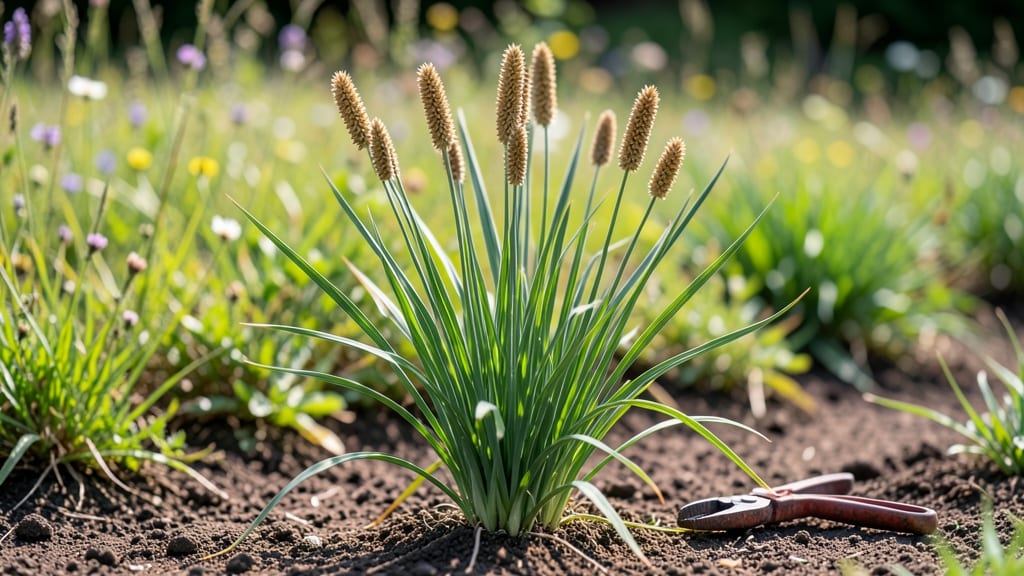
That spiky seed pod grass is the secret weapon for turning your yard into a pollinator paradise. 🌱 I’ve swapped out boring lawn grass for varieties like fountain grass and feather reed grass, and the difference is night-and-day—wildlife thrives while my garden stays low-maintenance.
These grasses love sun but adapt to partial shade, and they’re tough enough to handle drought once established. The key is planting in well-draining soil (they hate soggy roots) and giving them space to spread—think of them as living sculptures that keep getting better as they mature.
By late summer, those dramatic seed heads become food and shelter for birds, butterflies, and bees. The texture contrasts beautifully with perennials, and the movement in the breeze adds life to any space—no mowing required.
Perfect for borders, meadow-style gardens, or even as a striking centerpiece. Here’s how to grow them like a pro, from seed to showstopper.
📚 In This Guide
- What you need
- Instructions
- Tips and common mistakes
- Wrapping up and next steps
What you need
- ● Native grass seeds: 5–10 lbs (depending on lawn size; check seed bags for coverage rates). Opt for little bluestem, switchgrass, or Indian grass (Sorghastrum nutans) for spiky seed pods.
- ● Topsoil or compost: 2–3 inches (for nutrient-rich soil prep). Aim for a mix with 60% sand, 30% silt, 10% clay for drainage.
- ● Organic mulch: Straw or wood chips (1–2 inches thick) to retain moisture and suppress weeds.
- ○ Native wildflower seeds (optional but recommended): 1–2 lbs (e.g., black-eyed Susan, coneflower, or milkweed) to boost pollinator diversity.
- ● Broadcast spreader: For even seed distribution (rent or buy a handheld or walk-behind model based on lawn size).
- ● Rake: A bow rake with 6–8-inch teeth to level soil and remove debris.
- ● Garden hose with nozzle: For gentle watering (avoid high pressure to prevent seed displacement).
- ● Gloves & knee pads: Essential for comfort during soil prep and planting.
- ○ Soil test kit (optional but helpful): To check pH and nutrient levels (ideal pH: 5.5–7.0 for native grasses).
- ● Sunlight access: Full sun (6+ hours/day) for optimal growth.
- ● Water source: Ready access for initial watering (2–3 times weekly for the first month).
- ● Patience: Native grasses take 1–2 years to fully establish and showcase their spiky seed heads!
- ● Local regulations: Check if your area restricts native plantings or requires permits for large-scale changes.
How to grow a pollinator-friendly lawn with spiky seed pod grasses
Here's how to transform your yard into a buzzing haven for bees, butterflies, and birds—without sacrificing beauty.
🌱 Step 1: Select the Right Spiky Seed Pod Grasses
Start with native grasses like little bluestem (Schizachyrium scoparium), switchgrass (Panicum virgatum), or Indian grass (Sorghastrum nutans). These grasses produce striking seed heads that feed birds and provide winter shelter for insects. Check your local nursery for region-specific varieties—they'll thrive with less fuss.
I always buy plants from a reputable supplier rather than seeds, because established plants establish faster. Look for 3-4 gallon containers with healthy root systems. Avoid grasses with invasive tendencies, like Japanese silvergrass—it can spread aggressively and outcompete native species.
🪴 Step 2: Prepare the Soil for Optimal Growth
Clear the area of existing turf and weeds, then loosen the soil to a depth of 6-8 inches using a garden fork. These grasses prefer well-draining soil with a slightly acidic to neutral pH (6.0-7.0). If your soil is heavy clay, mix in 2-3 inches of compost and 1 inch of coarse sand to improve drainage.
Test your soil's moisture retention by digging a hole and filling it with water. If it drains completely within 30 minutes, your soil is ready. If water pools at the bottom after an hour, amend with more organic matter. These grasses hate soggy roots—waterlogged conditions lead to root rot and stunted growth.
☀️ Step 3: Plant in Full Sun with Proper Spacing
Plant your grasses in full sun (6+ hours of direct sunlight daily), where they'll develop their signature upright growth and dramatic seed heads. Space plants 18-24 inches apart in rows 2-3 feet apart to allow for mature spread. Dig holes slightly larger than the root ball, place the plant in, and backfill with native soil.
Firm the soil gently around the base to eliminate air pockets, then water deeply to settle the roots. You'll see new growth within 2-3 weeks—look for bright green shoots emerging from the soil surface. Mulch with 2 inches of wood chips to retain moisture and suppress weeds, but keep mulch 3 inches away from plant stems to prevent rot.
💧 Step 4: Water and Maintain for Year-Round Beauty
Water 1-2 times per week during the first growing season, providing 1 inch of water per week. Once established, these grasses are drought-tolerant—reduce watering to once every 2-3 weeks unless your area experiences prolonged dry spells. You'll know they're thriving when they develop blue-green foliage in summer and burnt-orange hues in fall.
Cut back dead foliage in early spring before new growth appears. Avoid mowing—these grasses rely on their seed heads for wildlife value. If you notice yellowing leaves or stunted growth, it's often a sign of overwatering or poor drainage. Adjust your care routine and watch the plants rebound within a few weeks.
✂️ Step 5: Encourage Wildlife with Strategic Planting
Group plants in clumps of 3-5 to create dense stands that attract pollinators and birds. Plant near shrubs or wildflowers to create a layered habitat—bees will visit the flowers, and birds will forage in the grasses. Leave seed heads standing through winter to provide food for birds and shelter for insects.
I like to add a small water feature nearby—a shallow dish with rocks for insects to drink from. You'll notice bumblebees, butterflies, and songbirds within weeks of planting. If you see few visitors after a month, consider adding more native wildflowers to boost pollinator activity.
Tips & tricks for perfect pollinator-friendly grass landscaping
Transforming your yard into a thriving ecosystem doesn't have to be complicated—these simple strategies will help your spiky seed pod grasses flourish and attract wildlife year-round.
Native Grass Selection: When choosing between little bluestem, switchgrass, or Indian grass, consider your climate zone. Little bluestem thrives in drier regions and offers stunning fall color, while switchgrass handles wetter soils better. I've found that mixing two varieties creates a more resilient landscape—if one struggles, the other often compensates.
Soil Prep Pro Tip: For that crucial 30-minute drainage test in Step 2, use a trowel to dig a hole about 6 inches deep and 4 inches wide. Fill it with water and time how quickly it drains. If water disappears faster than 30 minutes, your soil is too sandy—add 1 inch of organic matter to help retain moisture. The key is mimicking natural conditions these grasses evolved with.
Planting Layout Secret: Instead of planting in perfect rows, create irregular clusters of 3-5 plants spaced 18-24 inches apart. This mimics natural prairie growth patterns and creates more habitat edges where wildlife thrives. I've seen hummingbirds use these edges for perching while hunting insects—it's like building a tiny wildlife hotel!
Winter Care: Those striking seed heads you're growing for birds? Don't cut them back until late winter (after the first hard freeze). The dried seed pods provide critical winter food for goldfinches and other birds. I mark my calendar for February 15th to do my final pruning—just in time for spring's new growth to emerge.
Pro Tips for Grass With Spiky Seed Pods
- Transforming your yard into a thriving ecosystem doesn't have to be complicated—these simple strategies will help your spiky seed pod grasses flourish and attract wildlife year-round.
- Native Grass Selection: When choosing between little bluestem, switchgrass, or Indian grass, consider your climate zone.
- Soil Prep Pro Tip: For that crucial 30-minute drainage test in Step 2, use a trowel to dig a hole about 6 inches deep and 4 inches wide.
Frequently asked questions
Got questions about grass with spiky seed pods? You’re not alone—many homeowners and eco-conscious gardeners want to know how to integrate these pollinator-friendly plants into their lawns. Below, we’ve rounded up the most common queries to help you get started!
What are some common types of grass with spiky seed pods?
Look for native grasses like Little Bluestem (Schizachyrium scoparium), Indian Grass (Sorghastrum nutans), or Switchgrass (Panicum virgatum). These grasses feature striking, feathery seed heads that add texture and support pollinators like bees and butterflies. They’re also drought-tolerant once established!
When is the best time to plant these grasses?
For optimal growth, plant in early spring or late summer when soil temperatures are mild. This gives roots time to establish before extreme heat or cold. Avoid planting in peak summer—dry conditions can stress seedlings. Pro tip: Water lightly daily for the first 2–3 weeks to encourage root development.
Will these grasses attract pests like rodents or insects?
While spiky seed pods do attract pollinators (which is great!), they’re unlikely to draw pests like rodents. However, some insects may visit the flowers. To minimize issues, avoid over-fertilizing and opt for native species, which are naturally adapted to your region’s ecosystem.
Can I mix these grasses with traditional lawn grass?
Yes! Many gardeners create a pollinator-friendly meadow mix by blending spiky grasses with clover or fine fescue. Just ensure the grasses have enough space to spread—thin areas may require occasional mowing (set blades to 4+ inches to protect seed heads). Start with small patches to test compatibility.
What do I do if my grass isn’t producing seed pods?
Seed pods may not appear if the grass is over-fertilized, overwatered, or mowed too short. Try these fixes:
- Raise mower height to 4–6 inches to allow seed heads to form.
- Reduce watering—native grasses thrive on drought once established.
- Check sunlight—most seed-producing grasses need full sun (6+ hours/day).
Wrapping up and next steps
Transforming your lawn into a thriving pollinator paradise with grass featuring spiky seed pods is a rewarding step toward supporting local wildlife—and it’s easier than you think! 🌿 These native plants not only reduce maintenance but also provide essential food and shelter for bees, butterflies, and birds.
By choosing the right species and following simple care tips, you’re creating a living ecosystem right underfoot.
Ready to take action? Start small—replace a patch of your lawn this season, or share your newfound knowledge with neighbors to inspire a wider movement. Every spiky seed pod is a tiny victory for nature! 🐝✨