
Light Requirements
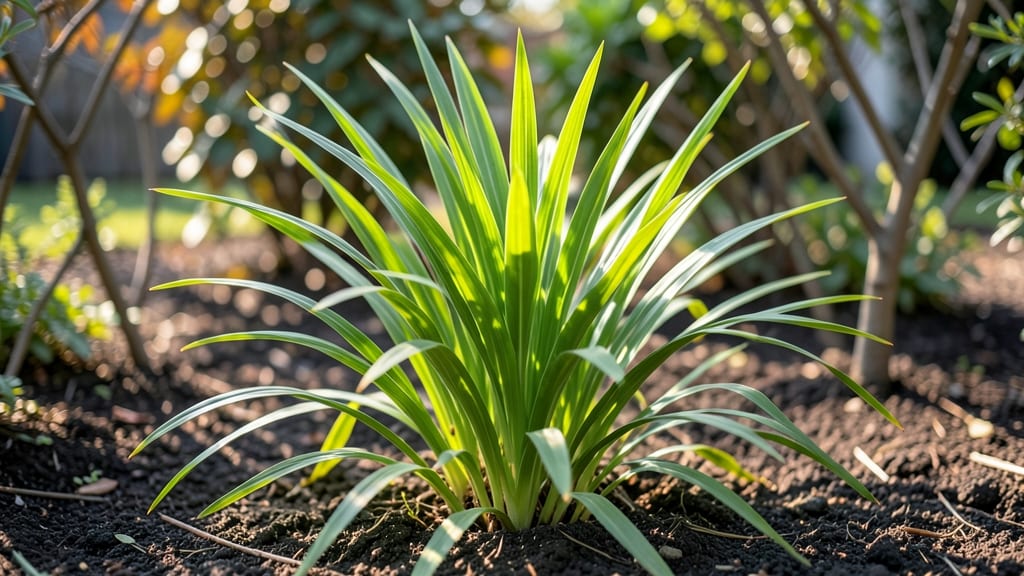
The lemongrass light requirements are simple: six or more hours of bright, direct sunlight daily—without it, your plant will stretch weak and flavorless.
If you’ve ever watched your lemongrass indoors lean toward the window like a sunflower, you’re not alone. Most gardeners underestimate how much light this tropical herb truly needs, whether in pots or garden beds.
Outdoors, it craves full sun, but indoors, even a south-facing window may not cut it—especially in winter. I’ll break down exactly how much light lemongrass needs, how to spot deficiencies, and the best ways to supplement it for lush, productive growth.
From grow lights to seasonal adjustments, you’ll learn how to give your lemongrass the perfect light balance—no guesswork, just healthy, fragrant stalks ready for the kitchen.

Optimal light requirements for lemongrass growth (indoor vs outdoor guide)
Lemongrass thrives under bright, direct sunlight—a fact many indoor gardeners overlook. As a tropical plant native to Southeast Asia, it demands 6-8 hours of full-spectrum light daily to produce those signature fragrant stalks.
Without enough light, your lemongrass will stretch toward any available source, creating weak, leggy stems with pale leaves. This guide breaks down exactly how to meet its light needs, whether you're growing in a sunny garden bed or a dim apartment.
Outdoors, lemongrass performs best in full sun exposure, meaning at least 6 hours of direct sunlight daily. In USDA Zone 6a (where it grows well), this typically translates to morning sun and afternoon shade in summer, or full sun year-round in warmer climates.
Indoors, however, you'll need to supplement natural light with grow lights or strategic window placement to mimic these conditions.
| Environment | Minimum Daily Light | Ideal Light Source | Light Deficiency Signs | Solution |
|---|---|---|---|---|
| Outdoor | 6+ hours direct sun | South-facing garden bed | Yellowing leaves, slow growth | Move to sunnier spot |
| Indoor (Window) | 6-8 hours bright light | South/west-facing window | Leggy stems, pale leaves | Rotate pot weekly |
| Indoor (Grow Light) | 8-12 hours full-spectrum | LED grow light 6-12 inches away | Stunted growth, brown tips | Adjust light height/duration |
One of the first signs your lemongrass isn't getting enough light is yellowing leaves, especially on the lower stems. This happens when the plant stretches toward light sources, a condition called etiolation. You'll also notice slow growth and stems that feel soft or hollow when pressed.
In extreme cases, the leaves may develop brown tips from stress, though this can also signal overwatering—so always check soil moisture first.
For outdoor cultivation, position your lemongrass in a south-facing location where it receives morning sun and afternoon shade during peak summer months. If your climate is hotter, like in USDA Zone 10, it can handle full sun all day.
Mulch around the base to retain moisture, as consistent watering becomes even more critical when light levels are high.
Indoors, a south or west-facing window is your best bet for natural light. If your only option is an east-facing window, supplement with a grow light for 4-6 hours daily.
Avoid north-facing windows—they provide the least light and will leave your lemongrass struggling. Rotate your pot quarter-turns weekly to ensure even light exposure and prevent lopsided growth.
If you're using grow lights, opt for full-spectrum LEDs that mimic sunlight. Position the light 6-12 inches above the plant and provide 12-14 hours of light daily to compensate for indoor conditions.
Fluorescent lights work too but require closer placement (2-4 inches away) and may need 16 hours of light to match outdoor results. Always monitor your plant's response and adjust accordingly.
Seasonal changes also affect lemongrass light needs. In winter months, shorter daylight hours mean you'll need to extend light exposure with grow lights or move pots to sunnier windows.
Conversely, in summer, watch for overheating—if leaves scorch or develop brown edges, provide afternoon shade or move the plant to a cooler spot. A simple light meter (available for under $20) can help you track exactly how much light your space receives.
To test if your lemongrass is getting enough light, perform a simple shadow test. Hold a ruler next to the plant during peak sunlight hours—if the shadow is longer than the ruler itself, your plant isn't receiving direct enough light.
For indoor setups, aim for a shadow length of 1-2 inches at midday. If shadows are longer, supplement with artificial light or relocate the plant.
Remember, lemongrass is a fast-growing herb that rewards proper light with bold, fragrant stalks ready for harvest in as little as 3 months. By meeting its light requirements—whether through outdoor sun or indoor grow lights—you'll avoid the most common pitfalls and enjoy a bountiful, homegrown supply year-round. 🌿☀️
How to provide perfect light for lemongrass indoors (grow lights vs natural light)
Lemongrass thrives on bright, direct sunlight—at least 6-8 hours daily—but indoor growers often struggle to replicate these conditions. Without proper light, your lemongrass will stretch toward weak light sources, producing pale, sparse growth instead of the fragrant, robust stalks you crave.
The good news? With the right setup, you can mimic outdoor light conditions even in small apartments or windowless rooms.
Indoor lighting for lemongrass isn’t just about wattage—it’s about light spectrum and consistency. Natural light through a south-facing window works best, but if your space lacks sunlight, grow lights become your best friend.
Let’s break down how to choose the right light and position it for optimal lemongrass growth.
For indoor lemongrass, LED grow lights are my top recommendation because they emit a full-spectrum light that mimics sunlight, including blue and red wavelengths critical for healthy growth. A 15-20 watt LED bulb placed 6-12 inches above your plant will provide the 6-8 hours of light lemongrass needs daily.
If you’re using a fluorescent bulb, opt for a cool white or full-spectrum type and position it closer (4-6 inches) since fluorescents are less efficient.
Positioning matters just as much as the light type. Place your grow light on a timer for 12-14 hours daily to simulate natural daylight cycles. If using natural light, rotate your lemongrass pot quarter-turns weekly to prevent one-sided growth.
For small spaces, consider a DIY grow light setup using a clip-on LED light or a reflective tray to maximize light distribution. Even a south-facing windowsill can work if you supplement with 2-3 hours of grow light during cloudy days.
Seasonal adjustments are key. During winter months, when natural light dwindles, extend your grow light hours to 14-16 to compensate. In summer, if your lemongrass starts wilting from too much direct sun, move it 2-3 feet back from the window.
Always monitor your plant’s leaves for color changes: deep green means it’s thriving, while yellowing or pale leaves signal insufficient light.
Pro tip: Pair your grow light setup with a humidity tray (a shallow tray with pebbles and water) to create a mini greenhouse effect. Lemongrass loves 60-70% humidity, and the added moisture will help your plant absorb light more efficiently.
With the right light and a little tweaking, your indoor lemongrass will grow just as vibrant as outdoor varieties!