
Light Requirements
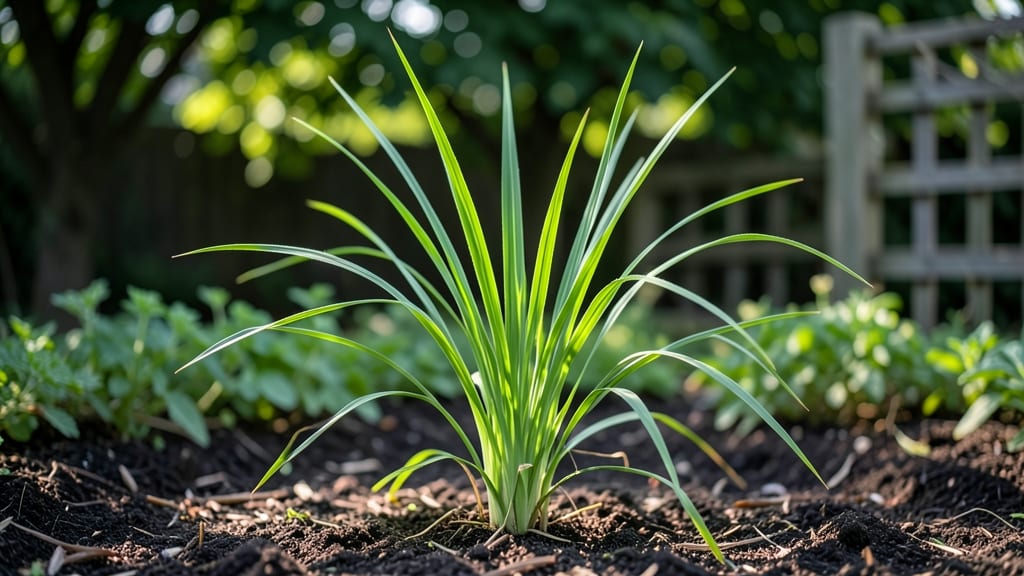
Lemongrass is a tropical plant that relies on sunlight to power its growth and essential oil production. 🌿 The more direct sunlight it receives, the higher the concentration of citral and limonene—compounds responsible for its signature lemony fragrance.
In my experience, plants grown in full sun develop thicker stems and more potent flavors, making them ideal for cooking and aromatherapy. However, if you're in a hot climate, providing afternoon shade can prevent leaf scorch while still meeting the plant's light needs.
For container growers, placing lemongrass near a south-facing window or under a grow light for 8-10 hours daily mimics ideal outdoor conditions. In tropical regions, lemongrass can handle full sun all day, but in cooler climates, a mix of morning sun and afternoon shade often works best.
The key is balancing light exposure with temperature—lemongrass needs warmth to thrive, so never place it in cold drafts, even with plenty of sunlight.
💡 In This Article
- How Sunlight Affects Lemongrass Growth and Oil Production
- Best Sunlight Strategies for Growing Lemongrass Indoors and Outdoors
How sunlight affects lemongrass growth and oil production
Sunlight isn't just about growth for lemongrass—it's the catalyst for its signature citrusy compounds. When exposed to 6-8 hours of direct sunlight daily, the plant's chloroplasts kick into high gear, converting light energy into glucose through photosynthesis.
This process fuels the production of citral and limonene, the volatile oils that give lemongrass its potent aroma and flavor. Studies show that plants receiving full sun develop 20-30% more essential oils compared to those grown in shade, making them far more valuable for culinary and aromatic uses.
The intensity of sunlight also affects stem strength and leaf density. UV exposure triggers the production of lignin, a structural polymer that hardens the plant's stems, making them more resistant to bending or breaking in windy conditions.
You'll notice that outdoor-grown lemongrass has thicker, more rigid stalks compared to indoor plants, which often develop softer, more flexible stems due to lower light levels.
The leaf color also shifts—full sun produces vibrant green leaves, while shade-grown plants may develop a pale, almost yellowish hue, indicating reduced chlorophyll production.
What most people don't realize is how sunlight quality varies by climate. In tropical regions, lemongrass thrives under bright, diffuse sunlight with high humidity, while in temperate zones, the plant benefits from morning sun and afternoon shade to prevent leaf burn.
The key is maintaining a balance—too little light results in leggy, weak growth with minimal oil production, while excessive afternoon sun in hot climates can cause leaf scorch, turning the edges brown and crispy.
This is why I always recommend monitoring your plant's response to sunlight and adjusting its position as needed.
For those growing lemongrass for its culinary value, the oil content matters most. Plants grown in full sun contain up to 1.5% more citral by weight, which translates to a more intense lemony flavor in dishes. In contrast, shade-grown lemongrass may have only 0.5-0.8% citral, making it less potent.
If you're using lemongrass for infusions or essential oils, prioritizing sunlight exposure is non-negotiable—it's the difference between a subtle herbal note and a bold, zesty punch in your cooking.
Here's what happens under different light conditions:
- Full sun (6-8 hours): Optimal growth, thick stems, vibrant green leaves, and highest oil content (ideal for culinary use)
- Partial shade (3-5 hours): Slower growth, softer stems, paler leaves, and reduced oil potency (still edible but less flavorful)
- Low light (<3 hours): Leggy growth, weak stems, and minimal oil production (best avoided for healthy plants)
The science behind this lies in the plant's photosynthetic efficiency. Lemongrass, like other tropical plants, has a high light compensation point—meaning it needs a minimum threshold of light to sustain growth. Below this threshold, the plant starts breaking down its own tissues for energy, leading to stunted development.
This is why indoor growers often struggle—most household windows don't provide enough intensity to meet lemongrass's needs without supplemental lighting.