
Lawn
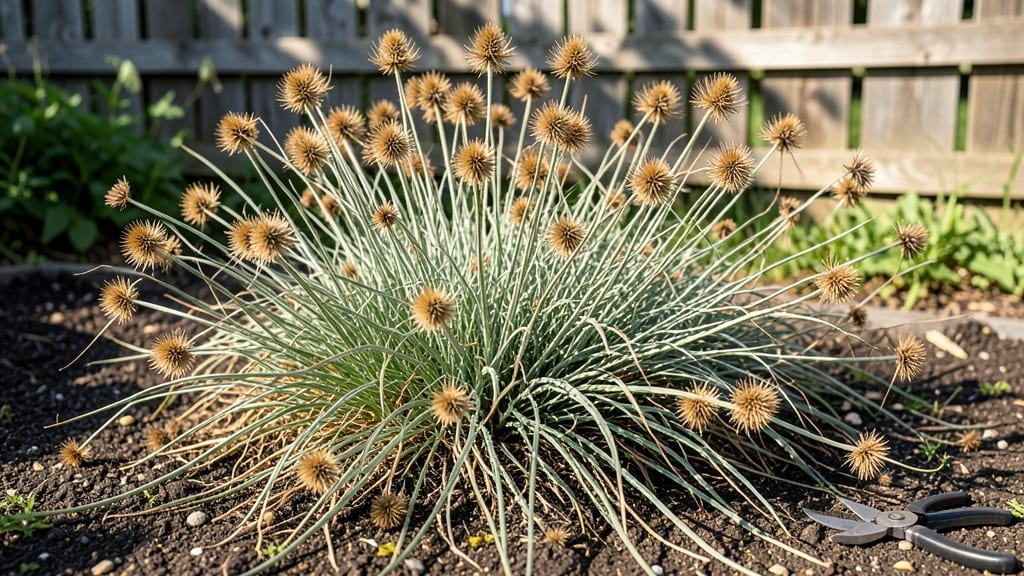
Grass burrs turning your yard into a spiky nightmare? 🌱 I’ve wrestled with these stubborn invaders for years, and I’ve finally cracked the code to banish them for good—without spending months on it.
The secret isn’t just pulling them; it’s attacking them at every stage of their life cycle, from seed to root. Most people make the mistake of treating burrs as a one-time cleanup job. But these weeds thrive on neglect—dropping thousands of seeds that sprout next season.
My one-weekend solution combines manual removal, smothering techniques, and targeted treatments to break their cycle. You’ll see fewer burrs by next spring, and with consistent effort, they’ll disappear entirely. The best part? You don’t need expensive tools or harsh chemicals.
A sturdy pair of gloves, a sharp hoe, and some old cardboard or mulch are all you’ll need. By the end of the weekend, your lawn will feel softer underfoot, and your kids (or pets) won’t be tracking burrs into the house anymore. This method works year-round, but timing matters.
Early spring and late fall are the sweet spots for prevention, while summer is prime for aggressive removal before seeds spread. Let’s get your yard back to smooth and safe!
The Hidden Triggers Behind Stubborn Grass Burrs
Grass burrs—those spiky little nuisances—don’t just appear out of nowhere. They’re the result of a mix of environmental factors, lawn care habits, and even the types of plants thriving in your yard.
Understanding why they show up is the first step to stopping them for good. Let’s break down the science (and the sneaky culprits) behind their persistence.
Most grass burrs come from wild grasses, weeds, or invasive plants that produce seed pods designed to latch onto clothing, pet fur, and even lawn tools. These plants—like Cenchrus echinatus (sandbur) or Cenchrus longispinus (field sandbur)—release seeds that burrow into soil or cling to existing grass blades.
Once established, they multiply rapidly, especially in:
- Lawns with thin or patchy grass: Bare spots give weeds a foothold, and their roots spread underground, releasing more burrs.
- Dry or compacted soil: Weeds thrive where native grass struggles, and their seeds germinate faster in poor conditions.
- Disturbed areas: Foot traffic, pets, or construction can uproot existing burr plants, scattering seeds even further.
Pro tip: 💡 If your yard has clumps of grass with tiny spiky balls at the base, you’re likely dealing with a weed infestation—not just stray burrs.
Neglecting basic lawn care turns your yard into a burr magnet. Here’s how:
| Lawn Care Issue | How It Helps Burrs Thrive |
|---|---|
| Infrequent mowing | Tall grass shades the soil, keeping it moist—ideal for weed seeds to germinate. Burr plants like Cenchrus grow taller and produce more seeds when unchecked. |
| No dethatching | A thick thatch layer (dead grass buildup) traps moisture and blocks sunlight, creating a cozy environment for weed seeds to sprout. |
| Skipping aeration | Compacted soil prevents water and nutrients from reaching grass roots, leaving gaps where weeds (and their burrs) take over. |
| Over- or under-watering | Weeds like dry conditions (e.g., sandbur thrives in drought-prone areas), while others (like crabgrass) love excess moisture. Both scenarios weaken your grass, giving burrs room to invade. |
Pro tip: ✨ Mow high (3–4 inches)—it shades out weeds and forces burr plants to compete for sunlight, weakening their seed production.
Grass burrs are hitchhikers, and they rely on movement to spread. Here’s how:
- Pet paws: Dogs and cats walk through burr-infested areas, then carry seeds home—dropping them in your yard, on furniture, or even in your house.
- Wildlife: Birds, squirrels, and rabbits eat burr seeds (or get tangled in them) and scatter them across your lawn as they forage.
- Lawn tools: Mowers, rakes, and trimmers can embed burr seeds in their blades or wheels, then deposit them elsewhere in your yard.
- Clothing and shoes: A single walk through a burr patch can transfer hundreds of seeds to your property.
Pro tip: 🎯 Inspect pets and shoes after outdoor time—shake out clothes, rinse off paws, and clean lawn tools with a stiff brush to remove clinging seeds.
Burrs love specific conditions, and your local climate might be giving them an unfair advantage:
- Hot, dry summers: Plants like sandbur thrive in arid conditions, producing more burrs when stressed by drought.
- Poorly drained soil: Waterlogged areas create pockets where weed seeds germinate quickly.
- High-nitrogen soil: While good for grass, excess nitrogen can fuel weed growth, including burr-producing plants.
- Sandy or rocky soil: These textures make it harder for grass to establish deep roots, leaving space for weeds to dominate.
Pro tip: 🔥 Test your soil—if it’s too sandy or compacted, amend it with compost to improve grass health and crowd out weeds.
Now that you know why grass burrs take over, the next step is attacking them at the source—before they ruin your weekend (or your shoes).
Quick Fixes for Stubborn Grass Burrs
Now that you understand why grass burrs invade your yard, it’s time to tackle them head-on with targeted solutions. Below, we’ve mapped the most common causes to the best fixes—plus prevention tips to keep your lawn burr-free long-term.
These methods are practical, budget-friendly, and designed to work in one weekend or less.
Cause: Tall grass provides hiding spots and nutrients for burrs to thrive. Fix:
- 🔪 Mow low (but not too low!). Set your mower to 2–3 inches to weaken burrs while encouraging dense grass growth. Avoid scalping, which stresses grass and invites weeds.
- 🌡️ Water deeply but less often. Burrs love moisture—water your lawn early in the morning (4–6 AM) to reduce humidity at night. Aim for 1–1.5 inches per week, including rain.
- 💡 Pro Tip: Use a string trimmer to edge burr-heavy areas and prevent them from spreading to walkways.
Prevention:
- Mow regularly (every 5–7 days in growing season).
- Sharpen mower blades every 20–25 hours to avoid tearing grass (which fuels burrs).
Cause: Animals (squirrels, rabbits, or insects) spread burr seeds or create bare spots where they take root. Fix:
- 🛡️ Block access points. Install hardware cloth (¼-inch mesh) around garden beds or use chicken wire over vulnerable areas. For rabbits, try repellent sprays (like Thiram or hot pepper wax).
- 🐜 Eliminate pests naturally. Spread diatomaceous earth (food-grade) around burr patches—it dehydrates insects without harming pets (keep kids/pets away for 24 hours).
- 🐿️ Distract wildlife. Place bird feeders or pet food away from your yard to lure animals elsewhere.
Prevention:
- 🌿 Plant burr-resistant ground covers like clover or creeping thyme in high-traffic animal areas.
- 🎯 Use mulch (wood chips or straw) to deter burrowing pests.
Cause: Dry spells or heavy rain create ideal conditions for burr seeds to germinate. Fix:
- 💧 For drought stress:
- Hand-pull burrs when soil is moist (after watering).
- Apply compost or topsoil to bare spots to crowd out weeds.
- 🌧️ For waterlogged soil:
- Aerate your lawn (rent a core aerator) to improve drainage.
- Overseed with a drought-tolerant grass mix (like tall fescue or buffalo grass).
Prevention:
- 📅 Test soil moisture with a trowel—if the top 1–2 inches are dry, water lightly.
- 🌡️ Avoid evening watering to prevent fungal growth (which burrs exploit).
Cause: Stubborn burrs that refuse to budge with other methods. Fix:
- 👨🍳 Step 1: Wait for the right time.
- Pull burrs after rain (soil is soft) or early morning (dewy grass is easier to grip).
- 🔪 Step 2: Use the right tools.
- For small patches: Gloves + weed puller (or a hula hoe).
- For large areas: A lawn rake to loosen roots before pulling.
- 🧹 Step 3: Bag and dispose.
- Never compost burrs—they’ll regrow! Seal them in a trash bag and toss.
Prevention:
- 💡 Replant pulled areas with dense grass seed or clover to outcompete burrs.
- 🌱 Solarize bare soil (cover with clear plastic for 4–6 weeks in summer) to kill remaining seeds.
Cause: Severe infestations where manual methods fail. Fix:
- 💊 Pre-emergent herbicides (like pendimethalin) applied early spring before burr seeds sprout.
- 🌿 Post-emergent options:
- Glyphosate (for spot treatment—avoid on desired grass).
- Corn gluten meal (natural, organic pre-emergent; apply fall or early spring).
- ⚠️ Safety first:
- Wear gloves and a mask.
- Follow label instructions precisely.
Prevention:
- 🌱 Rotate herbicides if burrs return (they can build resistance).
- 🌿 Improve soil health with mycorrhizal fungi to strengthen grass roots.
Keep burrs from staging a comeback with this 5-minute routine:
- 🔍 Inspect your yard weekly for new burrs (especially after mowing).
- 💧 Water deeply 2–3x per week (early morning).
- 🌱 Pull any new sprouts immediately (don’t let them seed!).
- 🌿 Feed your lawn with slow-release fertilizer in spring/fall.
- 🧹 Clean up debris (leaves, clippings) to remove hiding spots.
💡 Bonus: If burrs keep returning, test your soil pH (ideal: 6.0–7.0). Acidic soil (below 6.0) weakens grass—amend with lime if needed.
Frequently asked questions
Why do grass burrs keep coming back after I remove them?
Burrs spread through seeds that can lie dormant in soil for years. Even a few missed plants will regrow, and animals or wind can carry new seeds into your yard. To break the cycle, remove every visible burr (including roots) and prevent new seeds from landing by using mulch or landscape fabric in vulnerable areas.
Are there safe, natural ways to kill grass burrs without chemicals?
Yes! Try these organic methods: smother burrs with thick cardboard or newspaper covered by mulch for 4-6 weeks, use a vinegar-water solution (1 gallon vinegar + 1 cup dish soap) for spot treatment, or apply corn gluten meal in early spring to prevent seeds from sprouting. For stubborn patches, solarization (clear plastic sheeting) works well in summer.
How can I prevent my pets from tracking burr seeds inside?
Create a "burr-free zone" by placing a rug or doormat outside entryways and wiping paws with a damp towel after outdoor time. Install pet gates to block access to heavily infested areas, and consider pet-safe diatomaceous earth around yard perimeters to deter burrowing pests that spread seeds.
Will mowing higher help prevent grass burrs?
Keeping grass at 3-4 inches shades out weed seeds and forces burr plants to compete for sunlight, weakening their growth. Just avoid scalping (cutting too short), which stresses grass and creates openings for weeds. Pair this with regular mowing (every 5-7 days) for best results.
How do I know if I'm dealing with grass burrs or crabgrass?
Grass burrs (like sandbur) produce spiky seed heads that cling to clothing, while crabgrass has flat, finger-like stems. Burrs grow in clumps with distinctive spiky balls at the base, whereas crabgrass spreads in broad patches with no seed heads. Check for these visual clues to identify the problem.