
Lawn
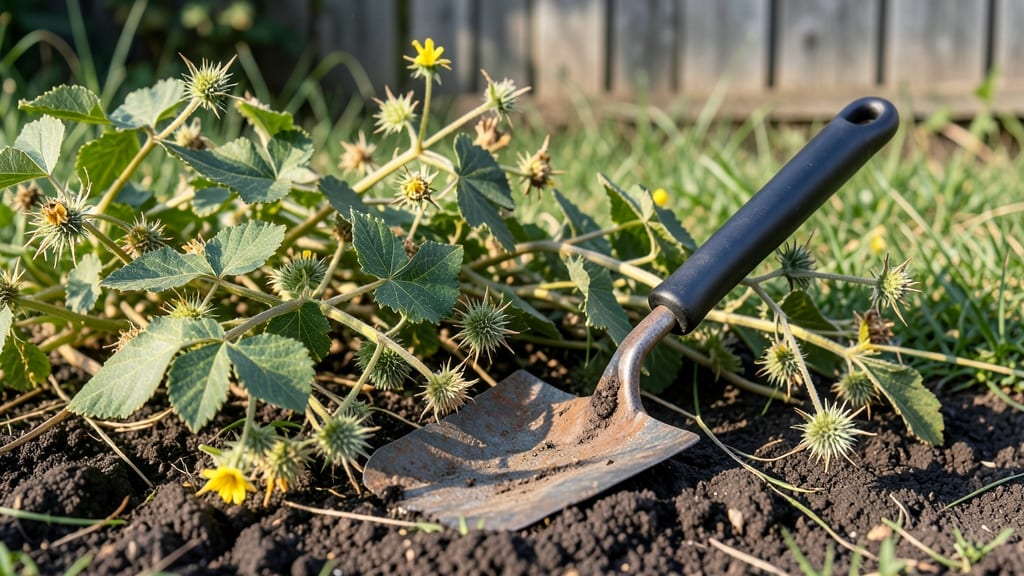
Learn how to get rid of goat heads without killing grass—this selective pulling trick saves your lawn while keeping it lush. 🌱 I used to yank them out and leave bald spots, but now I pull them cleanly at the right time, and my lawn stays thick and green.
The secret? Timing, the right tools, and a little patience.
You’ll need a weeding knife or dandelion digger (not your hands—those roots break easily), a glove (trust me), and a bucket of soapy water to rinse off the roots.
The best time to pull them is before they flower, when the roots are still shallow. A dry, sunny afternoon makes the soil easier to work with.
When you pull, grab the stem close to the ground and wiggle it out—no twisting—to avoid breaking the root. Drop the whole weed into your bucket, and your lawn stays undisturbed.
After a few sessions, you’ll see grass fill in where those weeds once dominated. It’s labor-intensive but worth it for a chemical-free lawn.
For stubborn patches, try mulching with cardboard over the area first—it blocks light, weakens the weeds, and lets grass grow through. Just keep an eye on moisture levels; cardboard needs to stay damp to work. With consistency, your lawn will look neater and healthier without a single herbicide in sight.
📚 In This Guide
- What you need
- Instructions
- Tips and common mistakes
- Wrapping up and next steps
What you need
- ● Gloves – Heavy-duty, chemical-resistant gloves (e.g., nitrile-coated) to protect your hands from sap and sharp stems. (1 pair)
- ● Hand Trowel or Weeding Tool – A sturdy, long-handled tool (8–12 inches) for deep extraction. (1–2 units)
- ○ Garden Fork or Dandelion Digging Tool – Helps loosen deep roots. (1 unit, optional but helpful)
- ● Pruners or Shears – Sharp, bypass-pruning type for cutting thick stems. (1 pair)
- ● Bucket or Wheelbarrow – For collecting debris. (1–2 units, 5+ gallons)
- ● Compost Bag or Heavy-Duty Trash Bags – To dispose of pulled weeds. (1–2 bags, 13–30 gallons)
- ○ Hose with Adjustable Nozzle – For wetting soil before pulling. (1 unit, optional but recommended)
- ○ Knee Pads or Small Stool – To reduce strain while working. (1–2 units, optional)
- ● Vinegar Solution (20–30% acetic acid) – 1 gallon vinegar + 1 gallon water in a spray bottle for spot treatment (use sparingly to avoid harming grass).
- ● Corn Gluten Meal – 10–20 lbs to prevent regrowth (apply post-pulling).
- ○ Mulch or Straw – 2–3 inches thick to smother remaining roots (optional for stubborn patches).
- ○ Lawn Rake – For smoothing soil after removal. (1 unit, optional)
Step-by-step instructions for removing goat heads without harming grass
This selective approach preserves your lawn while eliminating stubborn goat heads—no chemicals, no damage.
🌱 Step 1: Identify and Mark Goat Heads for Targeted Removal
Goat heads (Tribulus terrestris) thrive in lawns because they root deeply while grass struggles to compete. Walk your lawn on a dry day when the weeds stand out clearly against the grass. Look for the distinctive clover-like leaves and spiky seed pods that give them their name. I use a white spray bottle filled with water to mark each weed—just a quick mist creates visible dots that won't harm the grass.
Focus on young plants first—they're easier to remove before their roots establish. If you spot mature plants with deep taproots, prioritize those for last. The goal is to remove at least 90% of visible plants in one session to prevent reseeding. I always work in 10-foot squares to stay organized and avoid missing patches.
✂️ Step 2: Use the Selective Pulling Technique
Grab the weed at its base using both hands—one to hold the stem just above the soil, the other to support the root. Twist gently while pulling upward with steady pressure. The key is to remove the entire root system, which can extend 6-12 inches deep in mature plants. If you feel resistance, stop twisting and wiggle the weed side-to-side to loosen the soil around it.
I find that pulling after rain makes the soil softer and roots easier to extract. Never yank weeds—this breaks them off and leaves root fragments that regrow. For stubborn plants, I insert a small trowel 1 inch from the stem and pry the soil loose before pulling. This prevents grass roots from getting damaged during the process.
💧 Step 3: Apply Post-Removal Lawn Recovery
After pulling, inspect the area for any missed root fragments or broken stems. Use a hand cultivator to gently aerate the soil in a 3-inch grid pattern, being careful not to disturb grass roots. This helps break up any remaining weed roots while improving air circulation for your lawn. Water the area immediately with ½ inch of water to help grass recover and prevent weed regrowth.
For the next 7-10 days, monitor the area daily for any new goat head sprouts. If you spot any, remove them immediately—they grow quickly. I've found that overseeding with fine fescue or ryegrass (if not already present) fills gaps and crowds out weeds naturally. Apply a thin layer of compost afterward to nourish the grass without smothering it.
☀️ Step 4: Maintain Prevention Through Seasonal Care
Goat heads return aggressively in warm seasons, so prevention is key. Mow your lawn at 3-4 inches tall—taller grass shades the soil, preventing weed seeds from germinating. I set my mower to its highest setting during summer months, and the difference in weed pressure is noticeable within weeks.
In late summer, apply a corn gluten meal pre-emergent (if not already in your materials) to inhibit weed seeds from sprouting. This organic option breaks down in the soil and won't harm established grass. For existing weeds, repeat the selective pulling process every 4-6 weeks during growing seasons. Consistency is everything—one treatment won't eliminate them permanently.
Tips & tricks for effective goat head removal
Real talk: The key to eradicating goat heads without harming your lawn lies in precision and timing. Here's what I've learned after battling these weeds for years.
Timing is Everything: The best time to tackle goat heads is immediately after rain when the soil is soft and roots pull out easily. I've found that early morning sessions work best—soil stays moist longer, and weeds are less likely to be disturbed by foot traffic. If you're working on a dry day, water the area lightly before pulling to mimic this effect. The goal is to make the soil pliable enough that those deep roots (up to 12 inches!) come out cleanly without resistance.
Tool Selection Matters: Never underestimate the power of the right tools. A small hand cultivator is my secret weapon for loosening stubborn roots without damaging grass. I keep one tucked in my gardening belt for quick access. For mature plants, I use a narrow trowel to pry soil away from the root base—this creates a clean break point that prevents regrowth. The 1-inch spacing mentioned in the instructions is critical; any closer and you risk damaging grass roots.
Visual Inspection Technique: After pulling, I always do a "sandpaper test" on the soil surface. Run your hand over the area—any rough spots indicate missed root fragments. These fragments will regrow into new plants within days. For thoroughness, I use a hand rake to gently comb through the soil one last time, removing any debris that might contain weed seeds. This step takes extra time but prevents the 7-10 day regrowth cycle mentioned in the instructions.
Seasonal Strategy: The 4-6 week maintenance schedule in Step 4 is non-negotiable for long-term control. I mark my calendar with reminders because goat heads return aggressively in warm seasons. Pro tip: Pair your pulling sessions with a quick check of your lawn's height—if it's below 3 inches, mow first. Taller grass provides natural shade that suppresses weed seeds from germinating in the first place.
Pro Tips for Get Rid Of Goat Heads Without Killing Grass
- Real talk: The key to eradicating goat heads without harming your lawn lies in precision and timing.
- Timing is Everything: The best time to tackle goat heads is immediately after rain when the soil is soft and roots pull out easily.
- Tool Selection Matters: Never underestimate the power of the right tools.
Frequently asked questions
Got questions about tackling goat heads (or Emex australis) without harming your lawn? You’re not alone! Here are some of the most common concerns—and straightforward answers—to help you reclaim your yard with confidence.
Can I pull goat heads by hand, or do I need special tools?
Hand-pulling works for small patches, but for larger infestations, use a dandelion digger or weeding fork to loosen roots without disturbing grass. Gloves are a must—goat heads have sharp seed pods! For stubborn roots, a grubbing hoe helps too.
What’s the best time of year to remove goat heads?
Target them in early spring or fall when soil is moist (but not soggy). Avoid summer heat, which stresses grass and makes pulling harder. Morning or evening work is ideal—roots are softer then, and you’ll avoid the midday sun!
Will vinegar or herbicides kill my grass too?
Nope! Skip harsh chemicals—vinegar or glyphosate will fry both weeds and grass. Instead, opt for selective hand-pulling or spot-treat with corn gluten meal (a natural pre-emergent) in late winter to block new seeds. Always test small areas first!
How do I prevent goat heads from coming back?
Break the seed cycle! Bag and dispose of pulled weeds (don’t compost—they’ll regrow). Mow high (3–4 inches) to shade out new sprouts, and overseed bare spots with clover or tall fescue for a dense, competitive lawn. Mulch lightly after pulling to smother remaining seeds.
Can I use a lawn mower to flatten goat heads?
Mowing alone won’t kill them—it just spreads seeds! If you must mow, bag the clippings immediately and mow frequently (every 5–7 days) to weaken the plants. Pair this with hand-pulling for best results. Pro tip: Never let them go to seed!
Wrapping up and next steps
Removing goat heads from your lawn doesn’t have to mean sacrificing your grass—with the right techniques, you can tackle these weeds selectively and effectively. 🌱 The key lies in patience, timing, and the tools you use, whether it’s hand-pulling, vinegar spot treatments, or natural alternatives like corn gluten.
Remember, consistency is your best friend, and a little effort now will keep your lawn lush and healthy in the long run.
Ready to reclaim your yard? Start by assessing your lawn this weekend—grab your gloves and give it a try! If you’re still unsure, experiment with small patches first to see what works best for your grass type. Happy weeding! 🌿✨