
How To
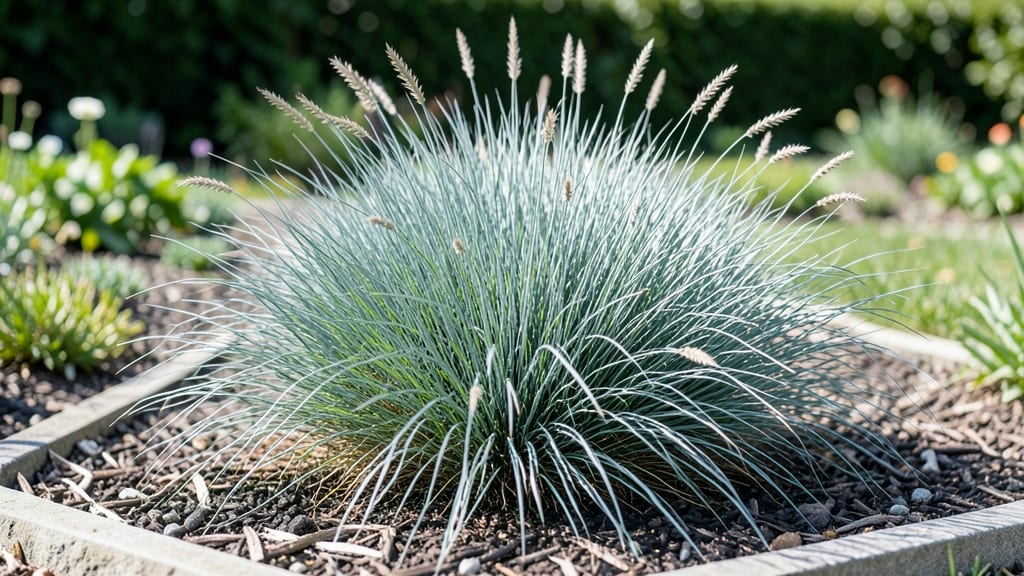
Fescue grass grows anywhere from 6 inches to over 2 feet tall, depending on the variety and how you care for it — and getting it right means choosing the type that fits your yard’s style and needs.
Picture this: a waist-high sea of lush green in your backyard, or a neatly trimmed lawn that stays low and tidy. The truth is, fescue grass can do both, but the difference comes down to the kind you pick and how you maintain it.
Whether you’re dreaming of a low-maintenance lawn or a tall, ornamental border to soften your landscape, understanding the height ranges of tall fescue, fine fescue, and hard fescue will help you make the best choice.
Below, I’ll break down the exact heights you can expect from each variety, how sunlight, soil, and watering affect growth, and the simple tricks to keep your fescue grass at your ideal height.

Fescue grass height by variety: tall vs short types explained
When planning your lawn or landscape, knowing how tall fescue grass grows is crucial for choosing the right variety. Fescue grass comes in three main categories—tall fescue, fine fescue, and hard fescue—each with distinct height ranges.
Some varieties stay compact at just 2-4 inches tall, while others can reach 12-24 inches or more. The right choice depends on your landscape goals, whether you want a lush lawn, a low-maintenance border, or erosion control.
Understanding these differences helps you avoid overgrown grass that looks unkempt or too-short varieties that struggle to compete with weeds.
For example, tall fescue is often the go-to for lawns because of its medium height (12-24 inches), while fine fescue varieties like creeping red fescue stay shorter (2-6 inches) and work well in shaded areas.
Even within these categories, dwarf and ornamental types can stay under 6 inches tall, making them perfect for rock gardens or slopes.
Here’s the key: Your mowing height and growing conditions can influence how tall fescue grass grows, but the variety itself sets the baseline. For instance, Kentucky 31 tall fescue can grow up to 24 inches tall if left unchecked, while Hardy fine fescue typically maxes out at 8-12 inches. Let’s break down the height ranges by variety so you can pick the perfect fit for your space.
| Variety | Mature Height Range | Best For | Maintenance Notes |
|---|---|---|---|
| Tall Fescue (e.g., Kentucky 31) | 12–24 inches | Lawns, sports fields | Mow at 2–3 inches for best results |
| Fine Fescue (e.g., Creeping Red) | 2–6 inches | Shaded areas, borders | Low mowing needed; drought-tolerant |
| Hard Fescue (e.g., Chewings) | 4–10 inches | Slopes, erosion control | Tough, low-maintenance; mow occasionally |
| Dwarf Fescue (e.g., Eureka) | 1–3 inches | Rock gardens, ornamental | Rarely mowed; slow-growing |
| Ornamental Fescue (e.g., Blue Fescue) | 6–12 inches | Garden borders, containers | Deadhead spent blooms; minimal mowing |
If you’re wondering how tall does fescue grass grow in your specific yard, start by checking the variety you’ve planted or plan to plant. Tall fescue varieties like Kentucky 31 or Turftype are classic lawn choices because they grow 12-24 inches tall and handle foot traffic well.
These types need regular mowing to keep them at a 2-3 inch height for a neat appearance. On the other hand, fine fescue varieties like Creeping Red or Hardy Fine Fescue stay much shorter, typically 2-6 inches tall, making them ideal for shaded lawns or ground covers.
For those who love low-maintenance landscaping, hard fescue is a fantastic option. Varieties like Chewings or Redtop grow 4-10 inches tall and thrive in tough conditions, including slopes and poor soil. They’re perfect for erosion control because their dense roots hold soil in place while requiring minimal mowing.
If you’re after something truly unique, ornamental fescue like Blue Fescue adds texture and color to gardens, growing 6-12 inches tall with striking blue-green foliage.
Don’t overlook dwarf fescue varieties either! Types like Eureka or Little Blue Stem stay under 3 inches tall and are perfect for rock gardens, containers, or as edging plants. These varieties are slow-growing and rarely need mowing, making them ideal for busy gardeners.
Their compact size also means they won’t overwhelm smaller spaces or compete with other plants in mixed borders.
One common mistake is assuming all fescue grass grows the same height. For example, tall fescue can easily reach 24 inches if left unchecked, while fine fescue might only grow to 4 inches. To maintain the right height, adjust your mowing height based on the variety. For tall fescue
How growing conditions affect fescue grass height
Fescue grass thrives under specific conditions, and its height can fluctuate dramatically based on sunlight, soil quality, and watering habits. Unlike rigid ornamental grasses, fescue adapts to your landscape goals—whether you want a low-maintenance lawn or a lush border. Understanding these factors helps you control growth naturally without harsh chemicals.
For example, tall fescue in full sun may reach 12-24 inches, while the same variety in partial shade could stay under 10 inches. Fine fescue, known for its dwarf varieties, often remains under 6 inches even in ideal conditions.
Let’s explore how to optimize height based on your yard’s unique environment.
⚠️ callout warningFescue grass roots rot in soggy soil, leading to stunted height or yellowing. Test soil drainage by digging a 6-inch hole—if water pools after 2 hours, amend with compost or sand. Water deeply 2-3 times weekly in summer; reduce to once weekly in cooler months.
Sunlight is the biggest height regulator for fescue. Full sun (6+ hours daily) encourages taller growth, ideal for tall fescue varieties like Kentucky Bluegrass blends. In contrast, fine fescue in partial shade (3-6 hours sun) stays 3-8 inches tall, perfect for woodland gardens.
If your yard has shady spots, choose creeping red fescue—it thrives with minimal sunlight.
Soil quality directly impacts root depth and nutrient uptake. Fescue prefers well-draining, slightly acidic soil (pH 6.0-7.0). Amend clay-heavy soil with organic matter like compost or peat moss to prevent compacted roots, which slow growth.
A simple soil test kit ($15) reveals pH levels—adjust with lime (to raise pH) or sulfur (to lower it).
Watering habits can double or halve your fescue’s height. Deep watering (1-1.5 inches per week) encourages deep root systems and taller blades, while shallow watering promotes weak, stunted growth.
Use a rain gauge to track moisture—overwatering in USDA Zone 8+ can lead to fungal diseases like brown patch, which weakens stems.
Climate zones also play a role. In cooler regions (Zones 3-6), fescue may stay shorter (6-12 inches) due to slower growth cycles. Meanwhile, in warmer zones (Zones 7-10), tall fescue can reach 24+ inches with proper care.
To control height, mow regularly (every 1-2 weeks) during peak growth—never cut more than ⅓ of the blade height at once.